
Event Overview
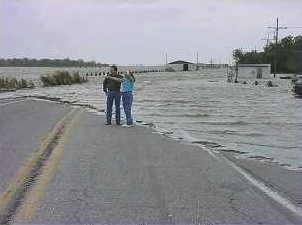
A severe coastal flooding event hit New Zealand’s eastern coastline on June 26, 2024, resulting in the deaths of three fishermen. Heavy rain and strong winds triggered widespread inundation across the area, submerging low‑lying land with seawater.
The tragedy has drawn attention to the dangers faced by communities situated along the shore.
How Coastal Flooding Occurs
Coastal flooding takes place when seawater moves onto normally dry ground. It can happen through direct inundation, when water overtops natural or artificial barriers, or when those barriers are breached. The scale of flooding depends on the shape of the coastal terrain and the height of the water relative to the land.
In this case, the particular geography of New Zealand’s east coast combined with the extreme weather to produce conditions that led to the fatal outcome.
Population Growth and Risk
The number of people living in coastal zones has risen, which amplifies the potential damage from flood events. More residents mean a greater chance of injury or loss of life when waters rise. Economic consequences also grow as well as human costs are significant; floods can damage roads, buildings, homes and the livelihoods that depend on them.
Immediate and Long‑Term Responses
Following the incident, there is likely to be renewed emphasis on protecting vulnerable coastal settlements and reducing flood risk. Measures discussed include constructing sea walls, adopting flood‑resistant building techniques, and investing in renewable energy projects that can provide energy security and lower costs. Such actions aim to lessen both the immediate dangers and the longer‑term impacts on infrastructure and property.
Climate Change Context
Some researchers suggest that a warming climate may be contributing to more frequent extreme weather, such as the heavy rainfall and strong winds that drove this flood. However, the exact link between individual events and climate change remains complex and not fully settled.
What is clear is that safeguarding natural systems is essential for a healthy environment.
Sustainable Practices and Future Protection
Preserving coastal ecosystems and embracing sustainable practices can help lower the likelihood of future flooding while fostering a cleaner, more resilient planet. Prioritising renewable energy use reduces reliance on fossil fuels, enhances energy security, and mitigates the economic and environmental fallout from flood disasters.
Policy options such as limiting new development in high‑risk areas, expanding investment in renewable power, and promoting energy efficiency are also highlighted as ways to strengthen coastal defenses.
Looking Forward
The loss of the three fishermen serves as a stark reminder of the urgent need to act to protect the planet and secure a safe, sustainable future for coming generations. Continued investment in coastal protection measures, together with sustainable development strategies, will be necessary to address the challenges posed by coastal flooding. By working collectively, societies can aim to create a more resilient environment and honour the memory of those lost by committing to lasting protective actions.




