
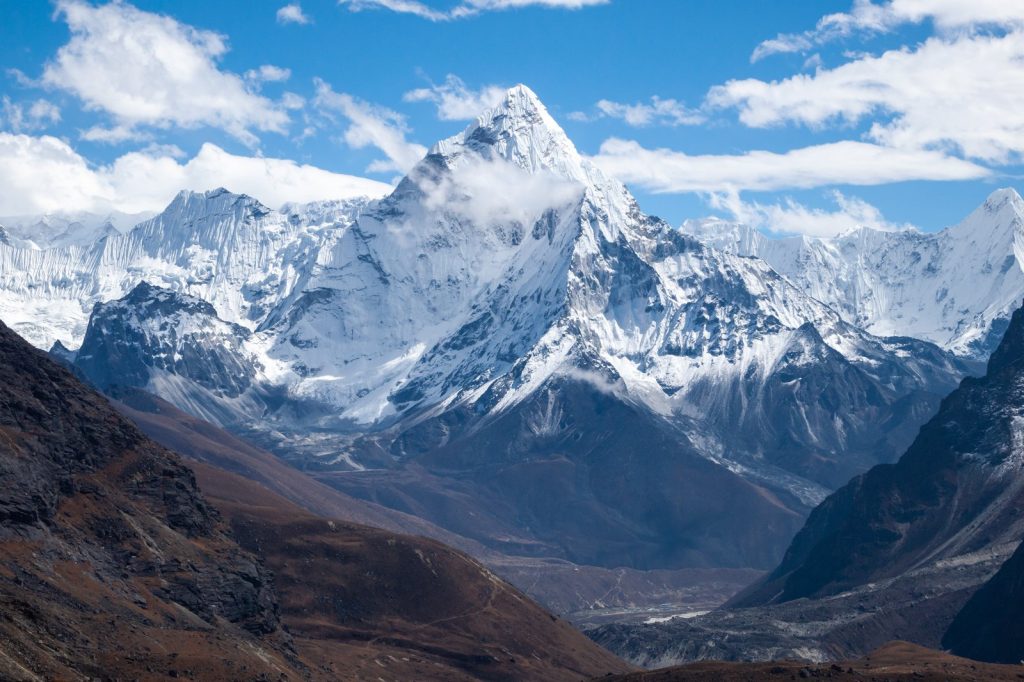
Two days of intense precipitation have resulted in the deaths of twenty people across Nepal, as the country grapples with extensive flooding and landslides. The deluge has laid bare the challenges posed by Nepal’s varied topography, which stretches from low‑lying plains to the sub‑alpine hills and the towering peaks that include eight of the world’s ten highest summits.
Situated in South Asia, Nepal is a landlocked nation bordered by the Tibet Autonomous Region of China to the north and India on its southern, eastern and western fronts. Its landscape combines rugged mountain terrain with fertile valleys, a mix that can turn severe weather into a formidable threat to infrastructure and livelihoods. The recent downpours have battered roads, bridges and homes, leaving many villages isolated and cutting off access to essential services. In the capital, Kathmandu, and its surrounding suburbs, residents and visitors are confronting significant interruptions to daily routines as authorities work to clear debris and restore connectivity.
Community groups representing Nepal’s many ethnicities have begun mobilising to aid those affected. Government agencies and emergency responders are distributing food, temporary shelter and medical assistance, while also coordinating with international partners who may offer additional resources and technical support.
Beyond the immediate humanitarian response, the disaster has reignited discussion about the need for more resilient and sustainable infrastructure. Nepal’s economy, heavily dependent on agriculture and tourism, faces setbacks as damaged transport routes and flood‑hit tourist sites hinder commercial activity. Experts point to renewable energy—particularly hydroelectric power—as a pathway to lessen reliance on fossil fuels and bolster energy security.
Strengthening the power grid and investing in climate‑adapted construction could help mitigate future losses and support long‑term economic stability. Recovery efforts will likely focus on rebuilding with an eye toward disaster resilience.
International aid could play a pivotal role, offering financial assistance, expertise in sustainable building practices, and support for climate‑adaptation projects. As Nepal moves forward, the emphasis on sustainable development and energy independence is expected to shape reconstruction strategies. By integrating renewable energy solutions and reinforcing critical infrastructure, the country aims to reduce vulnerability to similar events and protect both its natural environment and its citizens.
The tragedy underscores the broader challenges faced by nations with complex geographies in an era of increasing climate variability. While the loss of twenty lives is a stark reminder of the human cost, the collective response from local communities, government bodies and potential global partners highlights a shared commitment to rebuilding a safer, more resilient Nepal.




