
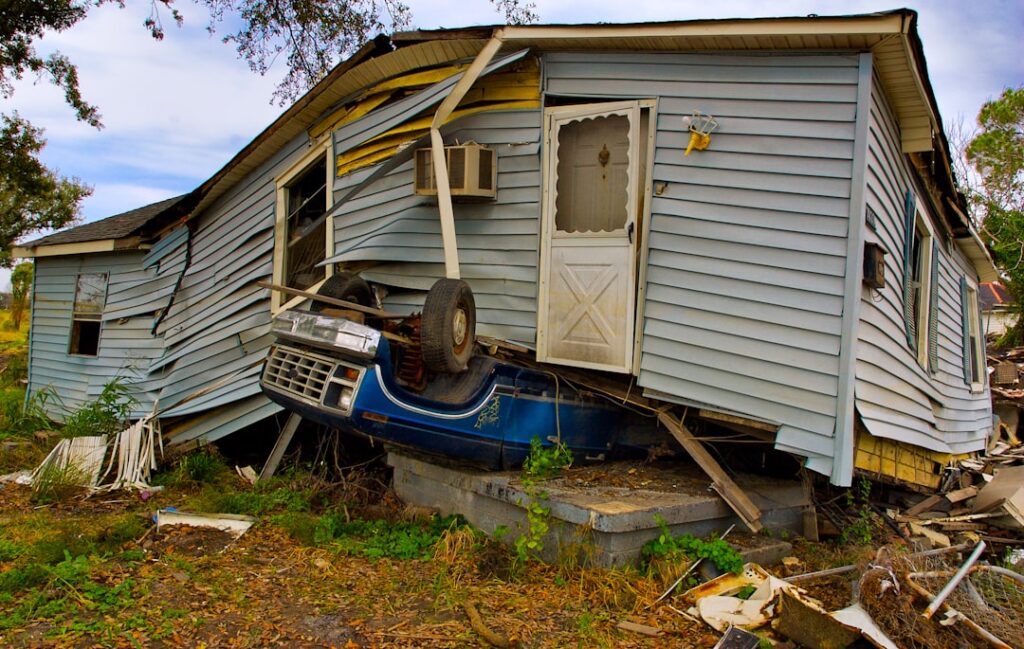
The severe weather event that impacted Nebraska and Iowa on April 26, 2024, originated from a single large-scale weather system rather than an isolated storm. This synoptic-scale system generated multiple tornadoes from the same parent system, with at least six to ten tornadoes produced by two or more supercells.
Meteorologists issued multiple tornado emergencies, the highest level of warning reserved for confirmed violent tornadoes approaching populated areas. The use of this warning across two states indicates the event’s regional scope rather than a localized disaster affecting a single community. The immediate consequences include property damage, infrastructure damage, and disruption to normal life.
The economic impact is expected to be significant. Beyond immediate cleanup, the event raises questions about regional infrastructure and energy systems.
Nebraska and Iowa are located within the nation’s wind energy corridor. The atmospheric conditions that fuel tornado outbreaks—strong jet stream winds, sharp temperature contrasts, and instability—also make the Plains region productive for wind turbines. This creates a paradox where the same weather that causes destruction also generates wind power.
In the aftermath, attention will focus on energy security as a practical matter of grid resilience. Renewable sources such as wind and solar are distributed systems less vulnerable to single points of failure compared to centralized fossil-fuel plants.
However, they remain exposed to weather events. A tornado can damage both a coal plant and a wind farm. Recovery differs: rooftop solar panels can be replaced individually, while a destroyed substation requires months to repair.
The report suggests a likely renewed focus on sustainable solutions as rebuilding occurs. Major disasters historically reshape infrastructure discussions.
Following the 2011 Joplin tornado, building codes were strengthened. After Hurricane Sandy, New York hardened its electrical grid. After this outbreak, the question is whether Nebraska and Iowa will expand their existing renewable energy leadership or reconsider the vulnerability of those systems during storms. Climate change increases the likelihood of more intense storms, while the same weather patterns producing tornadoes also generate wind for turbines.
Residents of these states will remain and rebuild. The April 26 outbreak represents one event in a pattern of severe Plains weather.
What has changed is the scale of human-built infrastructure on the landscape and dependence on systems that maintain normal function. When those systems fail, the cost includes economic losses and community confidence in resilience. The tornadoes have ended, the emergencies have expired, and recovery has begun.
This recovery will take months and years. During that period, decisions about energy and infrastructure will indicate what the region learned from the storm.




