
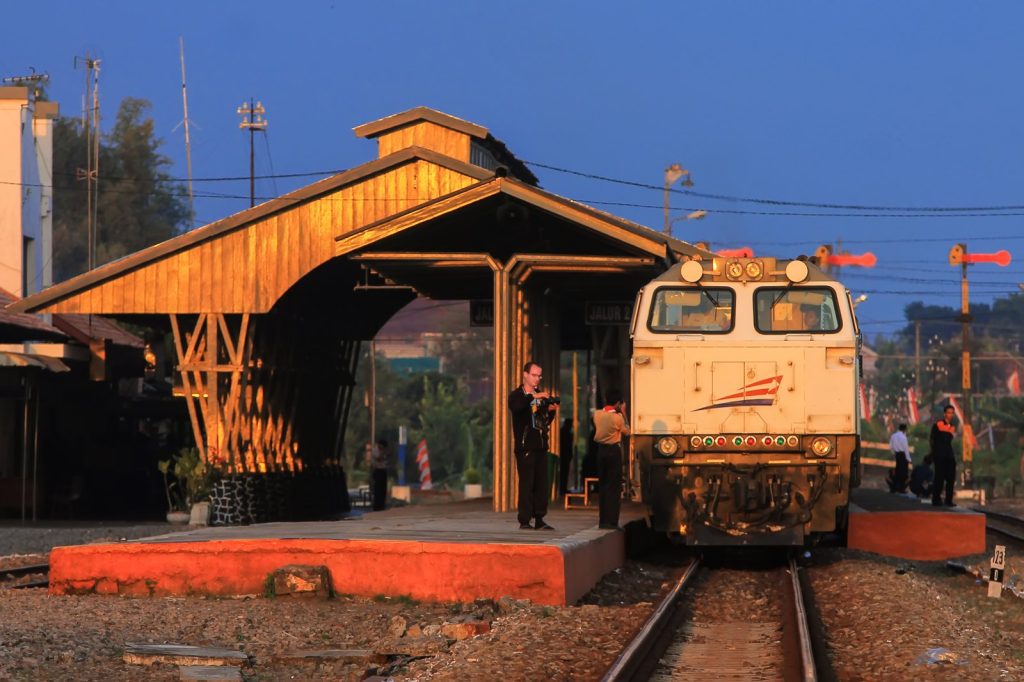
A passenger train operated by PT Kereta Api Indonesia (KAI) collided with a minibus on a level crossing in Lumajang, East Java, on Sunday, killing all eleven occupants of the vehicle. The crossing where the crash occurred had no gates, flashing lights or any other warning devices, officials said. According to local authorities, the minibus was attempting to cross the tracks when the train, part of KAI’s intercity network that links major Javanese cities and smaller towns such as Lumajang, struck it.
Witnesses reported a chaotic scene as the vehicle was ripped apart on impact. Emergency crews worked to extract bodies from the wreckage while medical teams attended to the injured.
The train suffered only minor damage and was stopped for several hours while investigators documented the site. KAI representatives stated that the train driver had sounded the horn as the train approached the crossing, but the minibus driver did not halt in time. The company reiterated that its crews follow standard safety procedures, including audible warnings, when nearing level crossings.
The tragedy underscores a long‑standing safety issue on Indonesia’s rail system. Thousands of level crossings, especially in rural districts like Lumajang, lack basic protective measures such as barriers, flashing lights or audible alarms.
KAI has repeatedly urged local governments to allocate funds for upgrading these points, arguing that the expense of installing barriers is far lower than the human cost of repeated accidents. In addition to lobbying for infrastructure improvements, KAI runs public‑awareness campaigns that advise drivers to “stop, look and listen” before crossing tracks. Compliance, however, remains uneven, and the Lumajang crash is the deadliest level‑crossing incident in East Java in several years.
Indonesia’s rail network has been undergoing modernization, with new rolling stock, electrified lines and high‑speed projects such as the Whoosh link between Jakarta and Bandung. KAI’s subsidiaries manage commuter services in Jakarta, airport shuttles, and freight operations, and the company holds a stake in the high‑speed venture.
Despite these advances, the basic safety infrastructure at many rural crossings has lagged behind, creating a stark contrast between modern trains and the unprotected roadways they intersect. Local officials said they will review safety measures at district crossings following the accident, though no concrete timetable for upgrades was provided. For the families of the victims, the promise of future improvements offers little solace. The minibus was reportedly carrying local residents familiar with the crossing, highlighting how routine familiarity can lead to complacency in hazardous conditions.
KAI pledged full cooperation with the ongoing investigation and reaffirmed its commitment to advocating for better crossing protections. While the company’s safety record on its main lines is generally strong—thanks to modern signaling and well‑maintained tracks—the numerous ungated intersections continue to pose a serious risk.
The Lumajang collision serves as a grim reminder that, until Indonesia’s thousands of level crossings are equipped with adequate barriers and warnings, the potential for further loss of life remains high.




