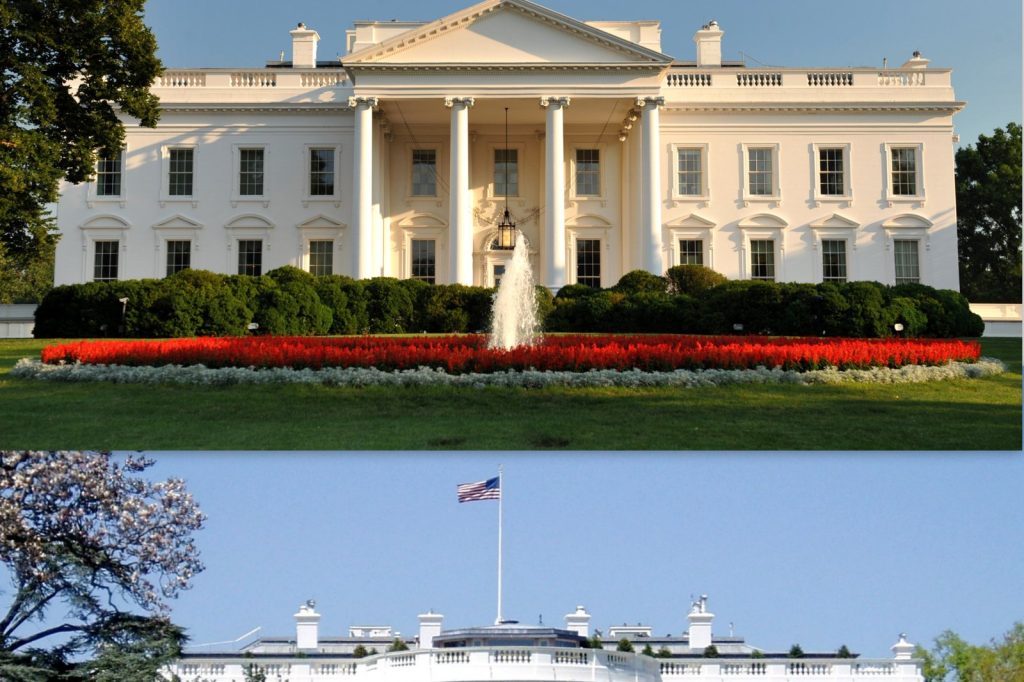
WASHINGTON — The Trump administration is exploring a proposal to impose heavy tariffs on Russian oil, though sources confirm the plan remains in its early stages. This isn’t a done deal—it’s a policy concept that needs to clear significant legal and diplomatic hurdles before it becomes reality. The administration must first finalize the tariff rate and the scope of which Russian oil imports would be affected.
That decision alone carries weight. In 2021, the U.S. imported about 672,000 barrels per day of Russian oil, according to the U.S. Energy Information Administration.
Any tariff at scale would hit domestic industries that rely on those imports, and sources indicate opposition is expected from those quarters.
The Legal Path Forward
How the administration proceeds depends on the legal mechanism chosen. One option is executive action under the International Emergency Economic Powers Act—IEEPA—which was enacted in 1977. This law allows the president to regulate economic transactions during a declared national emergency.
President Trump declared a national emergency regarding the Ukraine situation on January 21, 2025, which could provide the legal foundation for unilateral action. But there’s another path.
If the administration determines that legislation is required, it would need to go through Congress. The Republican-controlled Congress—with a 53-47 Senate majority and a 222-213 House majority as of January 2025—would need to pass a bill. That process could take weeks or months.
The choice between executive action and legislation will define the timeline. The sources say the administration aims to have the tariffs in place by mid-2025.
That’s an ambitious target given the procedural steps ahead. The timeline for implementation could range from a few weeks to several months, depending on how the legal and diplomatic challenges shake out.
International Coordination
The administration is also consulting with allies, including the European Union, which has its own sanctions regime on Russian oil. Coordination with the G7—which includes the U.S., UK, Canada, France, Germany, Italy, and Japan—is expected. Unilateral U.S. action on Russian oil tariffs would be more effective if paired with allied moves, but getting everyone on the same page is never quick.
Some oil-importing nations are likely to oppose the policy. The diplomatic calculus here is delicate: the U.S. wants to pressure Russia economically without fracturing the coalition that has supported Ukraine.
The administration is still in the consultation phase, so the final shape of the tariff proposal could shift based on allied feedback.
What’s Changing
What’s changing is the administration’s willingness to escalate economic pressure on Russia through a new mechanism—tariffs on energy exports—rather than relying solely on existing sanctions. The IEEPA route would be faster but could face legal challenges. The legislative route would be slower but more durable.
Domestic opposition is a real factor. U.S. industries that depend on Russian oil imports will push back.
The 672,000 barrels per day figure from 2021 gives a sense of the scale of those imports, though current numbers may differ. The administration will need to weigh the economic impact at home against the geopolitical goals abroad. The Republican-controlled Congress could be a wildcard.
With narrow majorities in both chambers, even a party-line vote on tariff legislation would require near-unanimous Republican support. Any defections could stall the bill.
The 53-47 Senate majority leaves little room for error. What to watch next: the administration’s decision on the legal mechanism, the outcome of allied consultations, and how domestic industries respond. The tariff proposal is in early stages, but the direction is clear.
The U.S. is moving toward broader economic tools to pressure Russia, and oil tariffs are the next frontier.