
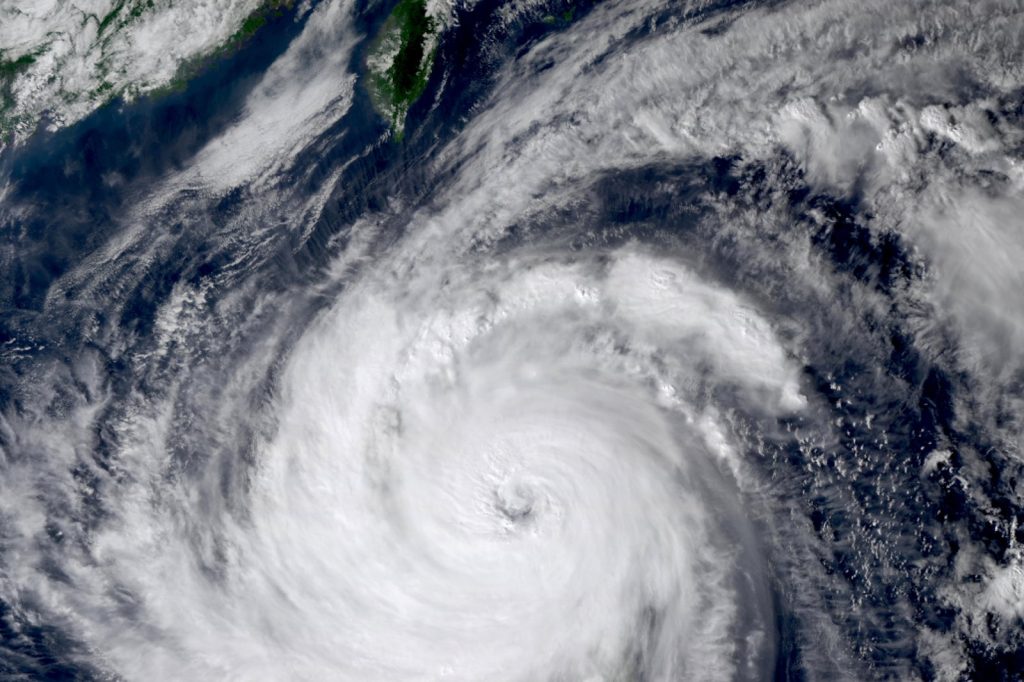
More than 900,000 people fled their homes. Super Typhoon Fung-wong struck the main Philippine island of Luzon in early November 2025 and killed at least two people as it tore across the country.
Landfall in Aurora province came at 21:10 local time, with sustained winds around 185 km/h and gusts of 230 km/h. Known locally as Uwan, the storm weakened to a typhoon over western Luzon, but forecasters still warned of destructive winds and storm surges.
The first deaths came fast. In Catbalogan City, a 64-year-old woman was found dead beneath debris and fallen trees. A second person drowned when a flash flood hit Catanduanes island.
Schools and government offices shut across Luzon, Manila included, and almost 300 flights were cancelled. The weather service forecast more than 200 millimetres of rain for parts of the island, raising the risk of severe flooding and landslides.
Fung-wong arrived only days after Typhoon Kalmaegi left nearly 200 people dead, and search-and-rescue work from that earlier storm was suspended as the new one closed in. Officials ordered people in low-lying and coastal areas to higher ground. More than 200 people sheltered in a sports centre in central Aurora.
Scientists warn that warmer oceans and a warmer atmosphere are making the storms that do form more intense, with higher wind speeds and heavier rainfall.
Sources
- Fung-wong: Typhoon hits Philippines as nearly a million evacuate
- Super Typhoon Fung-wong makes landfall in Luzon, kills two, displaces over a million – The Leaders Online
Sources
- Google News – Super Typhoon Fung-Wong in Philippines – Overview
- People struggle to recover from aftermath after Typhoon Fung-wong…




