
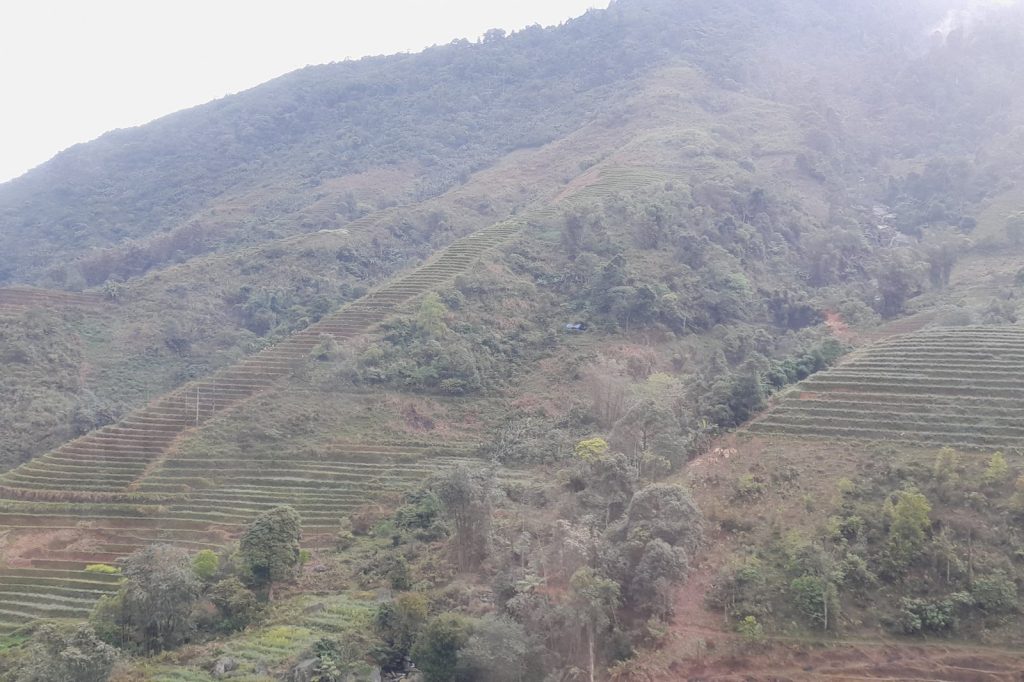
As of September 11, 2024, the death toll from Typhoon Yagi in northern Vietnam has climbed to 179, with an additional 145 individuals still unaccounted for. The majority of casualties have been reported in the provinces of Lào Cai, Yên Bái, and Cao Bằng, where powerful floods and landslides have caused widespread devastation.
The storm, recognized as the most powerful typhoon to hit Vietnam in seven decades, has underscored the region’s susceptibility to severe weather events. Its impact has been particularly pronounced in these northern areas, where communities are grappling with the loss of life and extensive property damage. Typhoon Yagi was monitored closely from its formation in early September 2024, as it carved a path of destruction across Southeast Asia and South China. The storm carried multiple designations depending on location: it was called Severe Tropical Storm Enteng in the Philippines and Typhoon No. 3 of 2024 in Vietnam.
At its peak, Yagi reached Category 5-equivalent strength, making it one of the most formidable tropical cyclones of the 2024 Pacific typhoon season. The aftermath of the storm has highlighted the critical need for enhanced environmental resilience and disaster preparedness.
Authorities and experts emphasize that sustained investment in conservation and mitigation efforts is essential, particularly in regions prone to such extreme weather. By fostering a clean and resilient environment, communities may better withstand future storms and reduce the risk of catastrophic losses. In the wake of the disaster, international support has begun to flow into the affected areas.
Countries and organizations have mobilized aid and assistance, reflecting a spirit of solidarity and cooperation. This collective response serves as a reminder of the importance of global collaboration in addressing environmental disasters.
As search and rescue operations continue, the focus is also turning to long-term recovery and rebuilding. There is growing recognition that the region has an opportunity to revitalize communities with an emphasis on sustainability. Advocates point to the potential benefits of investing in renewable energy sources, such as wind and solar power, alongside sustainable land use practices.
Such measures could reduce vulnerability to extreme weather while supporting energy security and cost savings. The economic and social repercussions of Typhoon Yagi are expected to persist for some time.
However, the experience has prompted calls for proactive steps to enhance disaster preparedness. Community-led initiatives, combined with investment in renewable energy and environmental conservation, are seen as key to creating a more secure and sustainable future. As northern Vietnam begins the slow process of rebuilding, the lessons from Typhoon Yagi are clear: prioritizing a clean and resilient environment may be crucial in mitigating the risks posed by increasingly powerful storms.




