
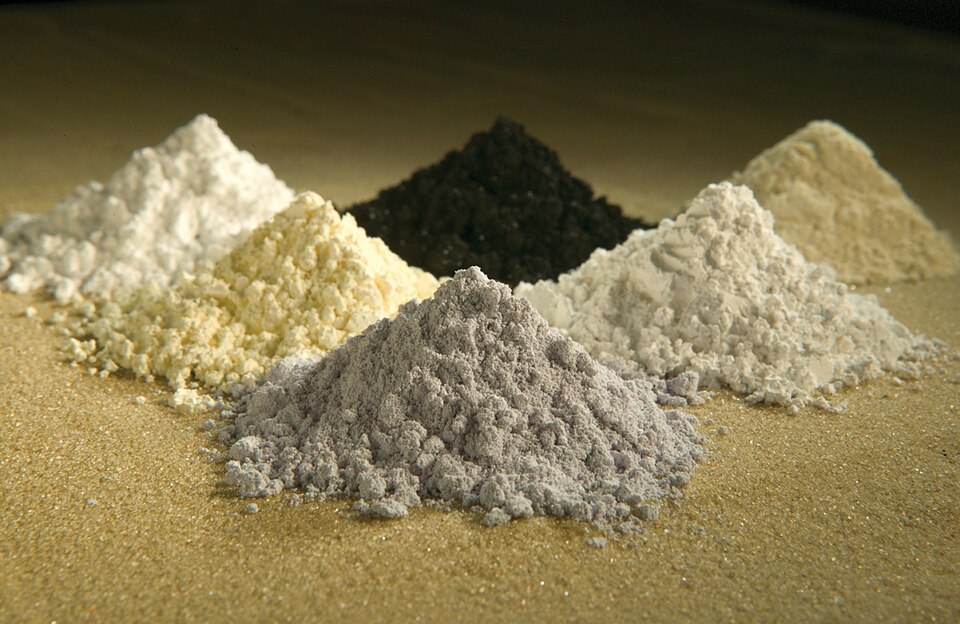
China supplied 70 percent of the rare earths the United States imported between 2020 and 2023. Malaysia, Japan and Estonia were the other three main suppliers. That dependence is now exposed to Beijing’s response to U.S. tariffs.
China retaliated against President Donald Trump’s tariffs on Chinese goods by putting export controls on seven more rare earth elements: samarium, gadolinium, terbium, dysprosium, lutetium, scandium and yttrium. Exports of the minerals were temporarily suspended. They go into electric cars and semiconductors, and into military hardware such as missiles and drones.
A license instead of a ban
The rules stop short of a full export ban. Shipments of the affected metals will need a special license, which hands Chinese authorities an extra say over who gets to buy. Once the system is running, some buyers, U.S. defense contractors among them, could be shut out. The materials are very hard to substitute or source elsewhere.
Yttrium
Yttrium is the sharpest case. Of the yttrium compounds the U.S. brought in between 2020 and 2023, 93 percent came from China. The U.S. Geological Survey lists the country as 100 percent import reliant for the element, which is used mainly in catalysts, ceramics, electronics, lasers, metallurgy and phosphors.
Import reliance is falling
Across rare earths as a whole, the U.S. was 80 percent net import reliant in 2024. Net imports, meaning imports minus exports, made up that share of apparent consumption. The figure was 100 percent in 2020 and above 95 percent from 2021 to 2023. American producers ramped up domestic output of rare earth compounds and metals in 2024.




