
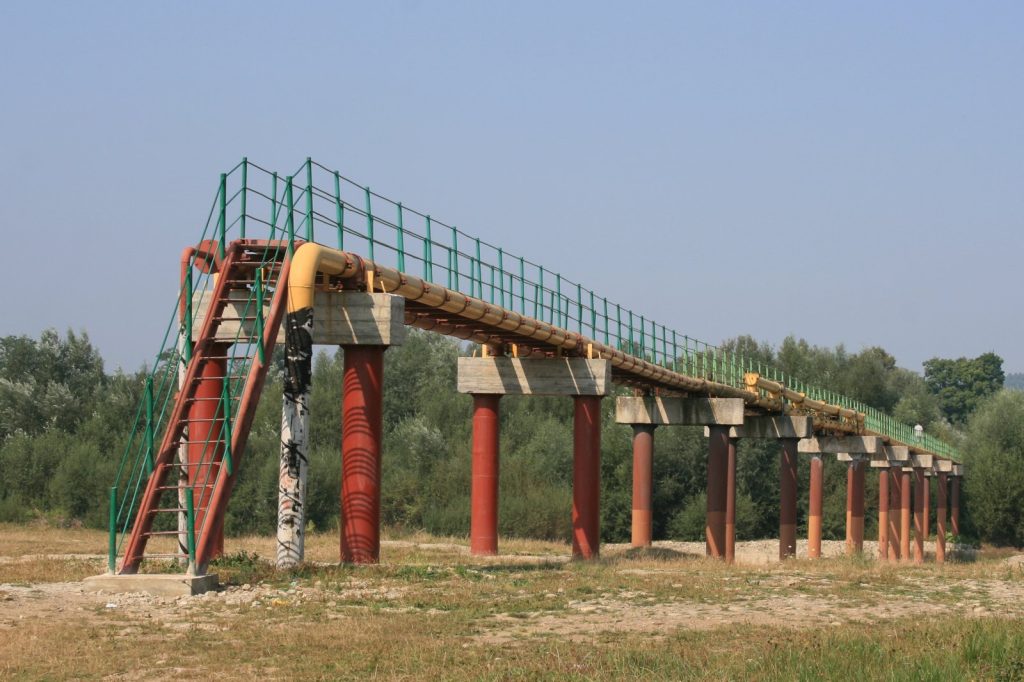
“The pipeline can resume operation.” With those five words on X on Tuesday, President Volodymyr Zelenskyy announced that Ukraine had finished fixing the section of the Druzhba oil pipeline damaged by a Russian strike.
He did not stop at the engineering. “We connect this with the unblocking of the European support package for Ukraine, which had already been approved by the European Council,” he wrote. He also gave a warning: “no one can currently guarantee that Russia will not repeat attacks on the pipeline infrastructure,” though his specialists, he said, had secured the basic conditions for restarting the system and its equipment.
The money at stake is a 90 billion euro ($106 billion) EU loan meant to cover Ukraine’s military and economic needs over the next two years. Hungary and Slovakia had blocked it, and the Druzhba repairs became the sticking point. Russian oil deliveries to both countries have been halted for two months after drone attacks that Ukrainian officials say damaged the line, which crosses Ukrainian territory. Officials in Kyiv add that the continuous strikes endanger the technicians sent to repair it.
Budapest and Bratislava
Hungary and Slovakia accused Kyiv of deliberately obstructing Russian deliveries. Viktor Orbán, then Hungary’s prime minister, threatened to cut gas supplies to Ukraine. He has since been unseated by the centrist challenger Péter Magyar, after elections earlier this month that Orbán lost in a landslide. Zelenskyy said earlier in April that he is reluctant to let Russian oil keep transiting his country.
The loan’s history is tangled. The 27-nation EU first meant to use frozen Russian assets as collateral, but Belgium, which holds the bulk of them, blocked that. In December the Czech Republic, Hungary and Slovakia agreed not to stand in the way of the others borrowing on international markets, provided they did not have to take part. Orbán later reneged over the pipeline dispute, angering the other 24 countries as his election campaign heated up.
Brussels reacts
Top EU officials turned cautiously optimistic. Speaking in Luxembourg after chairing a meeting of EU foreign ministers, foreign policy chief Kaja Kallas said the saga had taken many twists and turns. “We expect an agreement in 24 hours, so I don’t want to jinx it,” she told reporters. EU envoys were due to meet Wednesday to try to end the standoff.
European Council President Antonio Costa, who chairs a summit of EU leaders starting Thursday, thanked Zelenskyy on social media “for delivering, as agreed: repairing the Druzhba pipeline and restoring its operation.”
The war, which began with Russia’s invasion in February 2022, has killed thousands and forced millions from their homes.




