
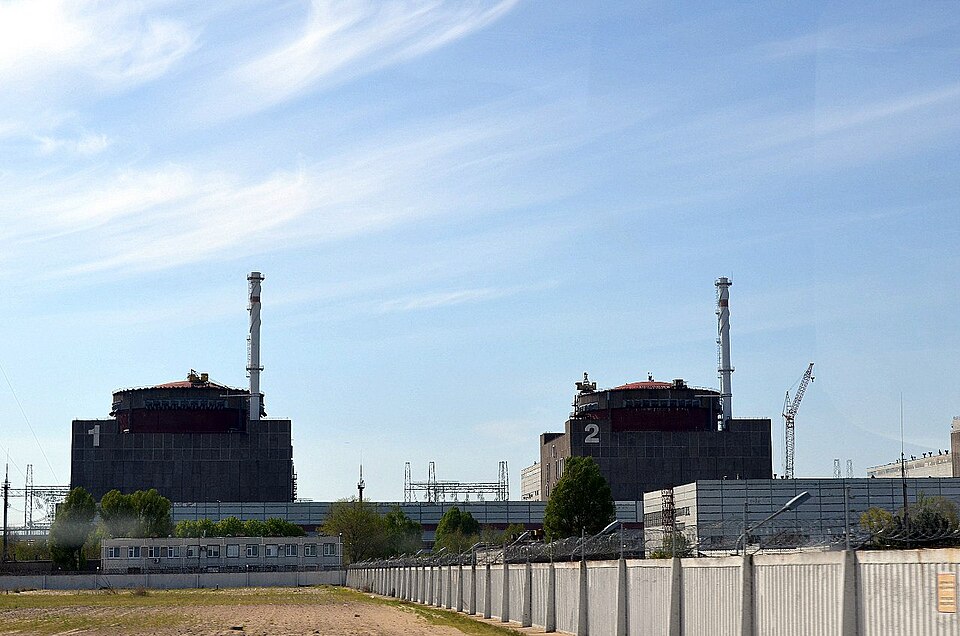
KYIV, July 15 — Ukraine’s energy sector is running on a war footing, and the numbers tell a story of deep vulnerability masked by surprising resilience. Nuclear power remains the backbone, supplying about 55% of the country’s electricity in 2021 from 15 operational reactors spread across four plants: Zaporizhzhia, Rivne, Khmelnytskyi, and South Ukraine. The catch is that Europe’s largest nuclear facility, the Zaporizhzhia plant, has been under Russian control since March 2022.
That single seizure removed a massive chunk of generating capacity from Ukraine’s grid at a stroke. The remaining three plants are still running, but the mechanics of keeping them safe under constant threat of missile and drone strikes is a daily operational nightmare.
Coal and Gas: The Occupied Basins
Coal, which provided about 25% of Ukraine’s pre-war electricity, presents a similar problem. The major mines sit in the Donbas region, much of which is now occupied territory. So the fuel source is physically out of reach for the government in Kyiv.
Natural gas production meets roughly 70% of domestic demand, with the rest coming via reverse flows from Europe. That import channel is a lifeline, but it depends on European infrastructure that is itself under strain.
On closer reading, the war’s toll on energy infrastructure is staggering. A June 2024 report from the Kyiv School of Economics calculated that 50% of Ukraine’s energy infrastructure has been damaged, with losses estimated at $56 billion. That is not just a headline number — it translates into a grid that cannot reliably keep the lights on, especially when winter drives demand higher.
The EU Connection and the Russian Gas Pipeline
Ukraine has been boosting electricity imports from the European Union, reaching 1.2 GW in July 2024. That is a concrete sign of integration with the European grid, but it also means Ukraine is now a net importer of power when it used to be a net exporter. Follow the money: importing electricity costs hard currency that a wartime economy can ill afford.
The gas transit story is equally stark. In 2021, Ukraine’s pipeline system carried 40 billion cubic meters of Russian gas to European customers.
Since the war began, those volumes have dropped to near zero. The transit fees that once flowed into Ukraine’s state budget are gone. The pipeline infrastructure still exists, but it is largely idle — a strategic asset that has become a stranded cost.
Winter is the Real Test
The energy grid remains acutely vulnerable to Russian missile and drone strikes, particularly during the winter months. That is not speculation — it is the pattern established over multiple seasons. The question now is whether Ukraine can repair enough capacity before the cold returns, and whether the EU can sustain its electricity exports at the current level.
The mechanics here are unforgiving. Without the Zaporizhzhia plant, without the Donbas coal, and with a damaged grid, Ukraine is patching together a power system from nuclear stations under fire, European imports, and whatever domestic gas it can still extract.
The numbers work on paper for now. The real test comes when the temperature drops.
Sources
{“@context”: “https://schema.org”, “@type”: “NewsArticle”, “headline”: “Ukraine’s Energy Infrastructure: From Soviet Legacy to War Damage”, “description”: “KYIV, July 15 — Ukraine’s energy sector is running on a war footing, and the numbers tell a story of deep vulnerability masked by surprising…”, “datePublished”: “2026-07-15T09:30:00+00:00”, “author”: {“@type”: “Person”, “name”: “Beatrice Ferrari”}, “publisher”: {“@type”: “Organization”, “name”: “InfoPulse Today”, “url”: “https://newsfeed.2bme.xyz/”}, “citation”: [{“@type”: “CreativeWork”, “url”: “https://en.wikipedia.org/wiki/Energy_in_Ukraine”}]}




