
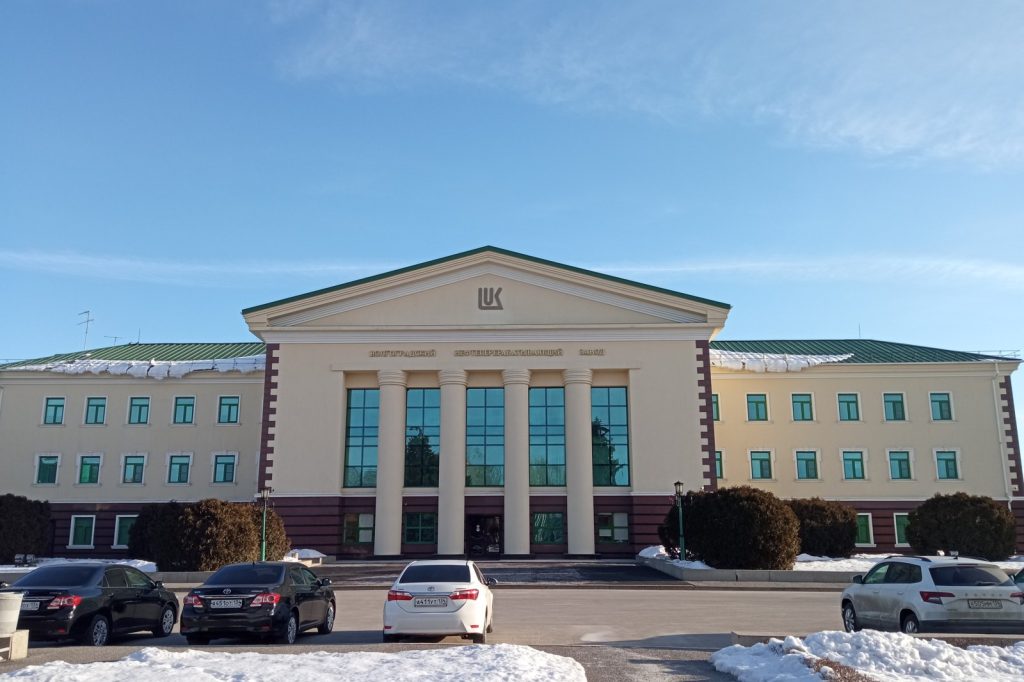
One-third of Russia’s refining capacity is offline. That is the estimate from Chris Weafer, CEO of the consultancy Macro-Advisory, cited in reports on the damage from Ukrainian strikes. More than 50 strikes on oil refineries and energy facilities inside Russia and occupied Crimea since March.
Those are the numbers behind President Vladimir Putin’s public dismissal of the fuel crisis as “not critical.” Putin has rejected ceasefire proposals. He says the war in Ukraine will grind on until his military objectives are met.
He frames the energy attacks as a Ukrainian distraction from its own losses. Analysts note that Russian advances on the battlefield have been stymied in recent months. The arithmetic is stark.
A country that is one of the world’s leading oil producers cannot easily shrug off the loss of a third of its refining capacity. The repair bill will be steep.
The timeline long. For millions of ordinary Russians, fuel shortages are now a daily reality. The strikes have shattered Putin’s long-running narrative that the war does not touch ordinary citizens.
Putin appears to bet his government can weather the crisis without losing public support for the conflict he launched over four years ago. His calculation seems to be that the fuel shortages are a political inconvenience, not a strategic threat to his hold on power. Cutting off a third of refining capacity is not a minor glitch.
The Russian military responded overnight into Thursday with an 11-hour barrage on the Ukrainian capital. At least 21 people were killed in what is described as one of the deadliest attacks on Kyiv since the full-scale invasion began.
That is the human cost of Putin’s refusal to retreat. Ukrainian drone and missile strikes have inflicted lasting damage. The estimate that one-third of refining capacity is offline does not capture the full picture.
Some facilities may take years to repair. Others may never return to full operation.
The strikes have hit refineries, storage depots, and other energy infrastructure. The cumulative effect is a slow bleed on Russia’s ability to fuel its war machine and its domestic economy. Putin publicly brushes off the mounting crisis.
He insists the war will continue. He rejects any notion that the damage is critical. But the numbers tell a different story.
More than 50 strikes since March. One-third of capacity gone.
The repair bill will be measured in billions of dollars. The timeline for recovery measured in years, not months. For ordinary Russians, the consequences are immediate.
Fuel shortages mean longer lines at gas stations. Higher prices.
A growing sense that the war is not something that happens far away in Ukraine. It happens at the pump. It happens in the daily struggle to get from one place to another.
The narrative that the war does not touch ordinary life has been broken. Putin’s bet is that he can hold public support despite the shortages. He has spent years consolidating power and controlling information.
The state media will downplay the crisis. The opposition is silenced.
But the numbers are stubborn. One-third of refining capacity offline. More than 50 strikes.
At least 21 dead in Kyiv. These are not facts that can be wished away.
The Russian military continues its advances on the battlefield, but analysts say those advances have been stymied. The war grinds on. Putin vows no retreat.
The fuel crisis grinds on too. The numbers do not lie.




