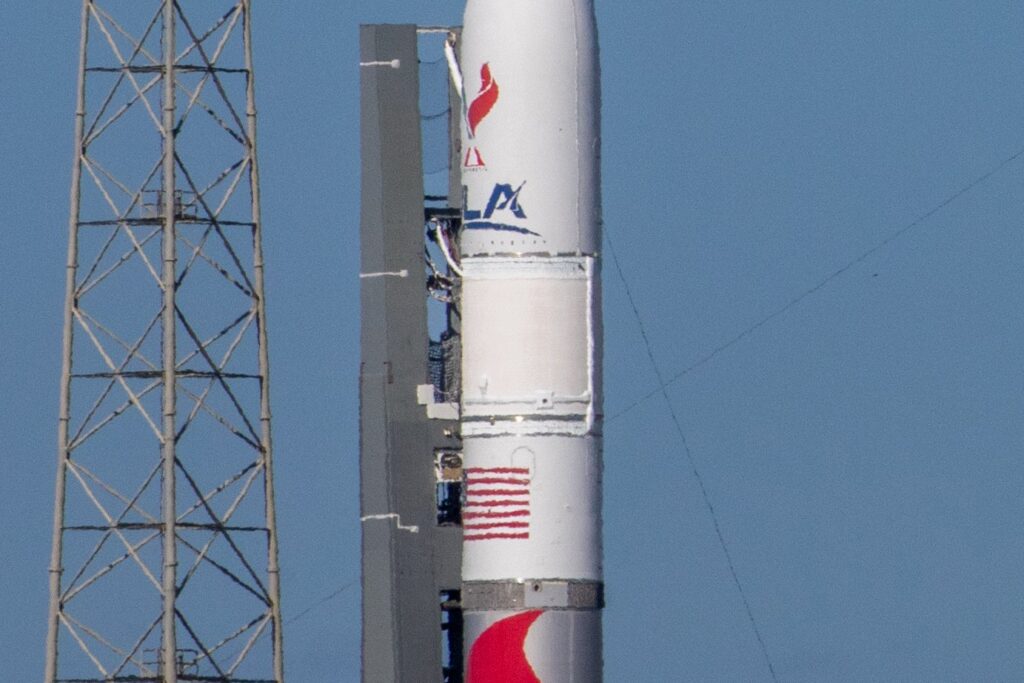
Why Vulcan Centaur Remains a Heavyweight Contender in the Launch Market
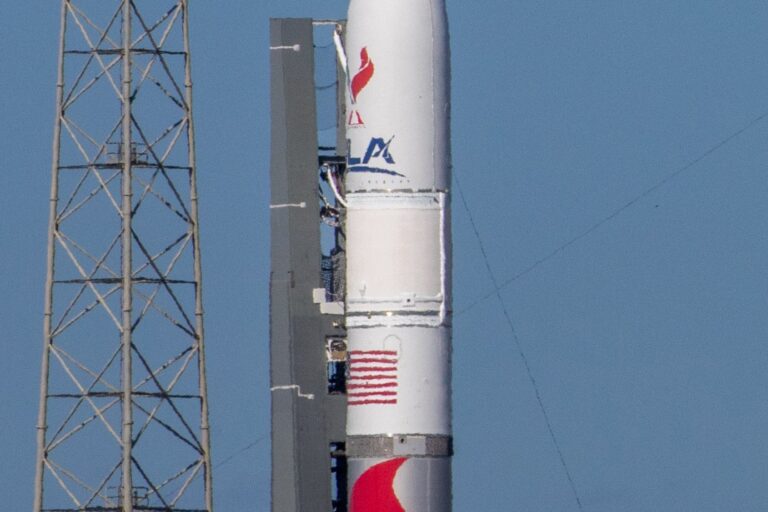
United Launch Alliance announced that its Vulcan rocket will return to flight on Friday, November 13, following a nine-month grounding caused by persistent nozzle issues in its solid rocket boosters.
The Vulcan Centaur was developed starting in 2014 as a replacement for the aging Atlas and Delta rocket families, which have been the workhorses of American space access for decades. As a joint venture between Lockheed Martin Space and Boeing Defense, Space & Security, United Launch Alliance has long served the Department of Defense and NASA as its primary customers. The design of the Vulcan Centaur focuses on a methane-fueled first stage and a hydrogen-fueled upper stage, a configuration that has proven resilient even when faced with significant mechanical setbacks.
The recent grounding of the fleet was necessitated by nozzle failures on the Northrop Grumman-built solid rocket boosters. During the second flight of the Vulcan, a nozzle on one of the 63XL Graphite Epoxy Motors disintegrated. A similar failure occurred on one of the four boosters during the fourth flight in February 2026, known as the USSF-87 mission. According to United Launch Alliance, the rocket’s methane-fueled first stage and hydrogen-fueled upper stage were able to compensate for the resulting reduced and asymmetric thrust in both instances, allowing the vehicle to reach its intended orbit despite the anomalies.
Following the February incident, an industry-government team consisting of United Launch Alliance, Northrop Grumman, and the U.S. Space Force conducted an investigation. While the company did not disclose specific technical findings, it stated that the team identified several potential contributors to the nozzle failures. United Launch Alliance reported that these issues have been mitigated through design and process improvements. To validate these changes, Northrop Grumman performed a test firing of a 63XL motor earlier this year. The upcoming November mission will utilize this improved nozzle design, with additional testing and analysis continuing in parallel with the flight to provide data for future operations.
The performance of the Vulcan Centaur is a central factor in the heavy-lift launch market, particularly for large-scale projects like the Amazon Leo internet constellation. Amazon has contracted 38 launches with United Launch Alliance, adding to the nearly 400 satellites already in orbit. The company previously relied on a mix of Atlas 5, Ariane 6, and Falcon 9 vehicles to deploy its infrastructure. The Vulcan Centaur is particularly attractive to these commercial clients because it can carry more Leo satellites than any other rocket currently in service, with the exception of Blue Origin’s New Glenn.
The competitive landscape for heavy-lift vehicles remains fluid, especially following the loss of the first New Glenn rocket in a launch pad explosion this past May. This setback for Blue Origin has heightened the importance of the Vulcan Centaur’s return to service. While the Vulcan is currently focused on commercial deployment, United Launch Alliance is also seeking clearance from the U.S. Space Force to resume flying national security payloads. The ability of the rocket to maintain its trajectory and reach orbit even when a booster suffers a failure has become a key point of discussion regarding its reliability for high-value government missions.
The history of United Launch Alliance provides context for why the Vulcan Centaur is designed the way it is today. Formed in December 2006, the company was created to consolidate the space launch operations of Lockheed Martin and Boeing. At the time, the Department of Defense hoped that the Evolved Expendable Launch Vehicle program would create a strong, competitive commercial market. However, both parent companies found that competition for launch services had made the operations unprofitable. The formation of the joint venture was intended to provide annual cost savings of $100 to $150 million, though it faced scrutiny from competitors like SpaceX, which argued the merger would create a monopoly.
During the era led by first CEO Michael Gass, United Launch Alliance consolidated production into a central plant in Decatur, Alabama, and moved engineering operations to Littleton, Colorado. The company faced significant cost pressures throughout the 2010s, leading to the layoff of 350 workers in 2009 and the decommissioning of two of its seven launch pads. The development of the Vulcan Centaur was a strategic response to the introduction of lower-cost competition and the rising costs associated with maintaining multiple rocket variants like the Atlas and Delta families.
The science behind the Vulcan’s performance relies on the integration of various components supplied by different manufacturers. By utilizing Northrop Grumman’s solid rocket boosters alongside its own methane-fueled engines, United Launch Alliance aims to balance raw lift capacity with the precision required for complex orbital insertions. The upcoming mission will deploy 40 satellites from an adapter on the Centaur upper stage over the course of approximately 30 minutes, a process that demonstrates the vehicle’s capability to handle multi-payload deployments.
As the industry looks toward the future, the primary challenge for United Launch Alliance is proving that the design improvements to the nozzle will hold up under the stress of flight. The company maintains that flying the improved design is the most beneficial path for its customers, as it allows for the collection of flight data that cannot be replicated in ground testing. While the U.S. Space Force has not yet confirmed the remaining steps required to clear the Vulcan for national security missions, the successful deployment of the Amazon constellation in mid-November would be a significant milestone in demonstrating the rocket’s operational maturity.
For the broader space industry, the return of the Vulcan Centaur represents the ongoing evolution of heavy-lift capabilities. The ability to launch large numbers of satellites efficiently is a requirement for the next generation of internet connectivity and orbital infrastructure. With the Atlas 5 in the process of being retired and the Delta family already out of service, the Vulcan Centaur is the vehicle that will carry the weight of United Launch Alliance’s commitments to both commercial and government sectors for the foreseeable future.
Sources
- United Launch Alliance announces mid-November return to flight for Vulcan rocket
- United Launch Alliance
- United Launch Alliance announces mid-November return to flight for Vulcan rocket
Photo: NASA/Ben Smegelsky (Public domain)