
The Choke Point Moves From Mines to Factories
The race to loosen China’s grip on rare earths has shifted into high gear, and the finish line keeps receding. Chinese suppliers halted some shipments to American buyers in 2025, Gulf News reports, and some Chinese firms have lately declined to ship to American customers at all, wary of repercussions from Beijing. The squeezes arrive before a planned September 24 meeting between President Donald Trump and Chinese President Xi Jinping, where critical minerals sit high on the list of disputes.
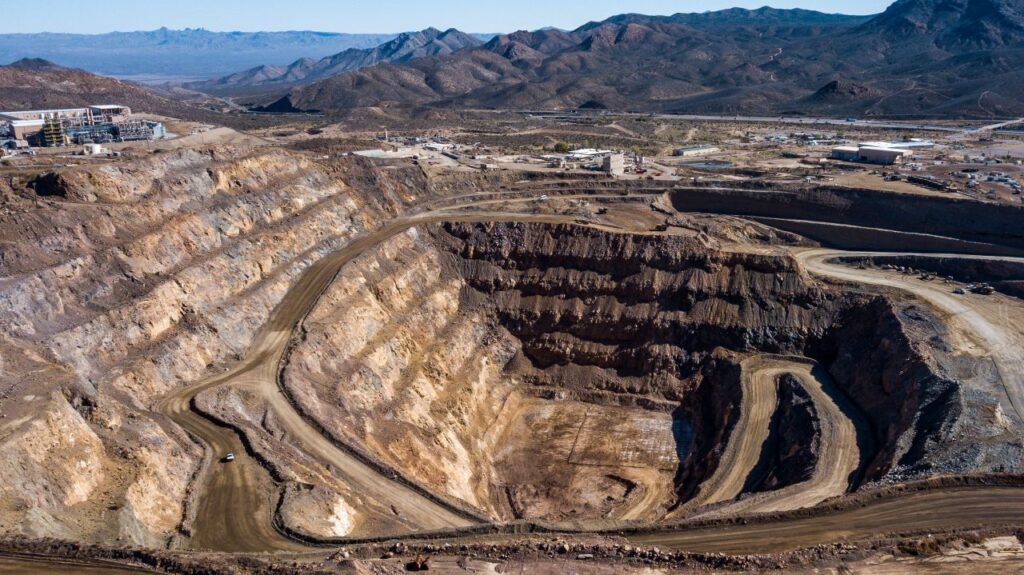
The core problem is not rock in the ground. It is the factory that turns rock into magnet. China still dominates refining and the manufacture of permanent magnets used in electric vehicles, wind turbines, industrial motors, aerospace and military hardware, and a Reuters analysis tallies its share of world rare-earth refining at about 90% in 2023, easing only to roughly 85% in 2025. The International Energy Agency projects China will still hold 70% to 73% of the business in 2035 even if every announced project outside China gets built. Opening a new American mine, meanwhile, averages 29 years from planning to production.
Beijing’s Record of Pulling the Lever
In April 2025 Beijing restricted exports of several heavy rare earths and the magnets spun from them, disrupting supplies to automakers, aerospace firms, chipmakers and defense contractors and forcing temporary production adjustments. Beijing’s July 2026 move put 14 European entities on an export-control list, so that selling them goods requires special authorisation controlled dual-use goods including rare earths and magnets.
Yttrium shows how narrow the bottlenecks are. The obscure metal, used in aerospace applications, semiconductor manufacturing and heat-shielding coatings for jet engines, has few alternative suppliers, and tighter Chinese controls have already pinched American and Japanese industries.
The G7’s Answer: Floors, Stockpiles, Deadlines
At the Evian G7 in France, Japan’s prime minister, Sanae Takaichi, used the June 16 session to warn that China’s measures against her country threaten the supply chains of every partner nation, and pressed G7 governments and multilateral development banks to build resilient mineral chains through vehicles such as the World Bank’s RISE Partnership, as Asia Times reported.
The leaders agreed on concrete machinery: coordinated stockpiling of critical minerals, a fresh coordination platform handing the International Energy Agency a bigger role in watching markets and flagging supply risks, and a hard ceiling of under 60% by 2030 on reliance on any one supplier outside the G7 for rare earths and magnets, with lithium and nickel serving as the pilot stockpile metals.
History tempers the optimism. China cut off Japan in 2010 after a trawler clash near the Senkaku Islands, when Tokyo imported roughly 28,000 metric tons of rare earths annually, with nine tenths coming from China. Japan answered with a US$250 million stake in Australia’s Lynas, but a Chinese price flood bankrupted Molycorp in 2015, and by 2020 Japan had only trimmed its Chinese share to around 60%. Japan’s JAMSTEC research agency tried a novel route on February 1, 2026, pulling rare earths from seabed mud at roughly 6,000 meters near Minamitorishima Island. The lesson of a decade and a half: the grip breaks slowly, if at all.
Sources
- Rare Earths Are the New Oil: How China’s Magnet Dominance Threatens EVs, Wind Power and Western Supply Chains
- Japan seeks G7 price floors to break China's rare earth grip – Asia Times




