
Brent crude went back above $100 a barrel on Wednesday and kept climbing, touching $105 as it became clear the conflict between the United States and Iran in the Gulf would not be settled quickly. The BBC reported the move on 10 September 2026.
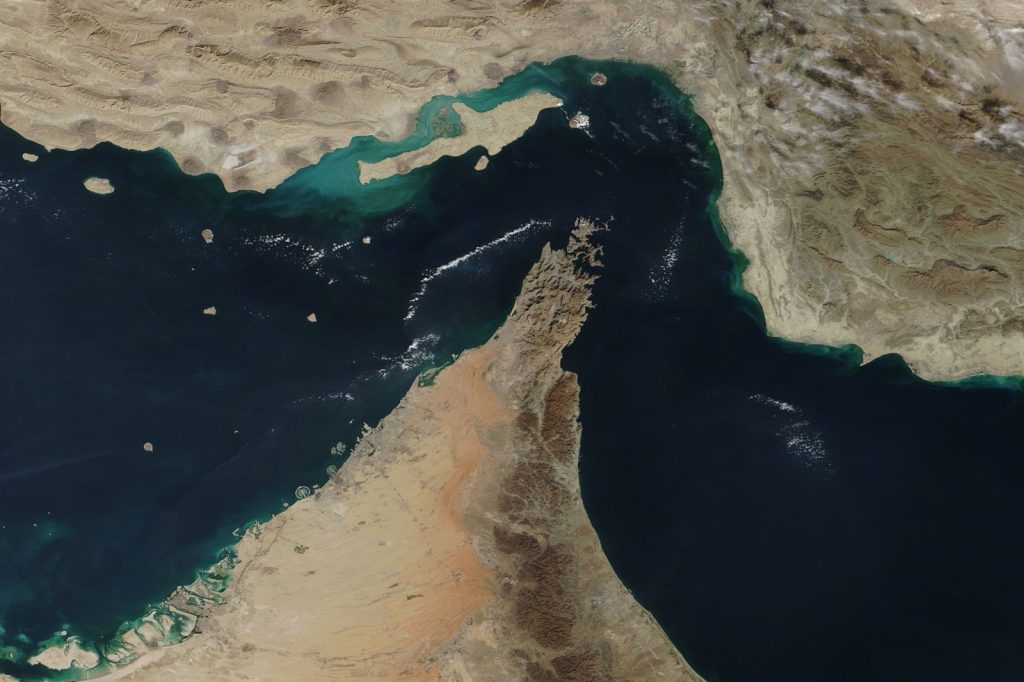
The cause is blunt. The war has effectively closed the Strait of Hormuz, so oil and gas from the Gulf cannot reach global markets. Long-term borrowing costs in the US and Britain have jumped to their highest in decades, and analysts say the pairing of dearer energy and dearer debt is squeezing financial markets.
Trump: no end before the midterms
Speaking at a Republican Party convention in Texas on Wednesday, President Trump said he did not expect the fighting to stop until after the US midterm elections in November.
Chris Beauchamp, chief market analyst at the trading platform IG, said investors were growing more worried about what higher oil prices would do to the economy. “It feels like investors worldwide are now waking up to the crisis in oil markets,” he said, warning that the surge could weigh heavily on global growth if it persists.
Gas, and the winter ahead
Wholesale natural gas has been climbing as well. In the UK it rose above 200p a therm for the first time since the end of 2022. European storage is well below normal for the time of year, and the scramble to fill it before winter is pushing prices up.
British households are shielded from short spikes by Ofgem’s price cap. A long stretch of high prices would still mean steeper bills. The cap is already set to rise 3.6% at the start of October, with the next change due in January.
Bond yields
Dearer energy has stoked fears of an inflation spike, and that has lifted government bond yields around the world. In the UK, yields on 10-year bonds hit their highest since 2007. Those on 20- and 30-year bonds reached levels last seen in 1998.
That raises the cost of borrowing for a government whose finances are already under pressure. It also reaches households, because it affects the rates on some consumer products, such as fixed-rate mortgages.




