
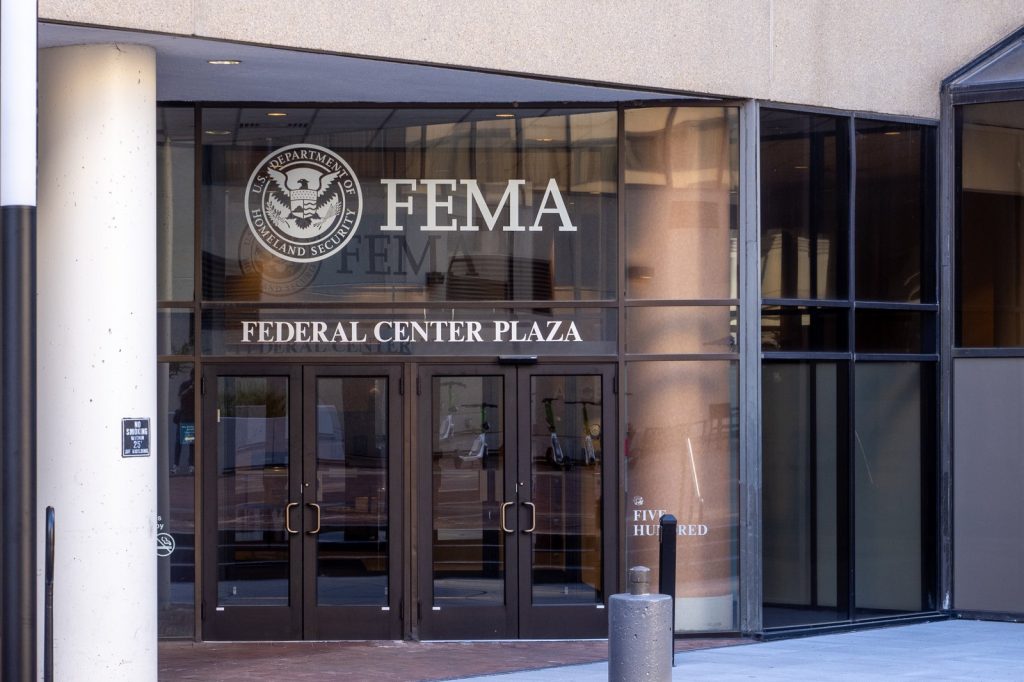
Five federal disaster declarations in five years. That is the Massachusetts record, according to USAFacts, which draws on Federal Emergency Management Agency data. The average works out to one a year, and each one decides whether the state gets federal money for recovery.
The count is uneven. As of September there had been one declaration in 2026. In 2025 there were none. USAFacts says declarations vary with the type and severity of the disaster, whether the president approves a request for federal help, and other factors.
What a declaration is
It is not just a label for a bad storm. A declaration is a formal request for federal aid when state, local or tribal resources are overwhelmed. In most cases governors make the request, though tribal nations can ask on their own. The president must approve every declaration, and the aid available depends on the kind.
A major disaster declaration covers hurricanes, tornadoes, snowstorms, floods, earthquakes, wildfires, volcanic eruptions, landslides, mudslides, droughts, explosions and other severe natural events, the kind that cause widespread damage and long recoveries.
An emergency declaration is for protecting lives, property or public health and safety. Aid is capped at $5 million. It covers urgent crises such as COVID-19, terrorist attacks, power outages or events tied to natural disasters.
The third type, fire management, applies to suppressing a single large blaze or several smaller ones. The process is faster. Decisions are usually made within a few hours, where the other types take longer.
What Massachusetts has faced
Hurricanes made up two of the state’s five declarations in the last five years, the most common type in that stretch. In 2020, COVID-19 produced four biological emergency declarations in a single year. One event can generate several declarations, since the state and Native American tribes can each be covered, and both major disaster and emergency declarations can apply.
Over the longer run, severe storms lead the list. Since 1980 they have accounted for 12 of the state’s declarations, or 23.5%, the highest share of any disaster type.




