
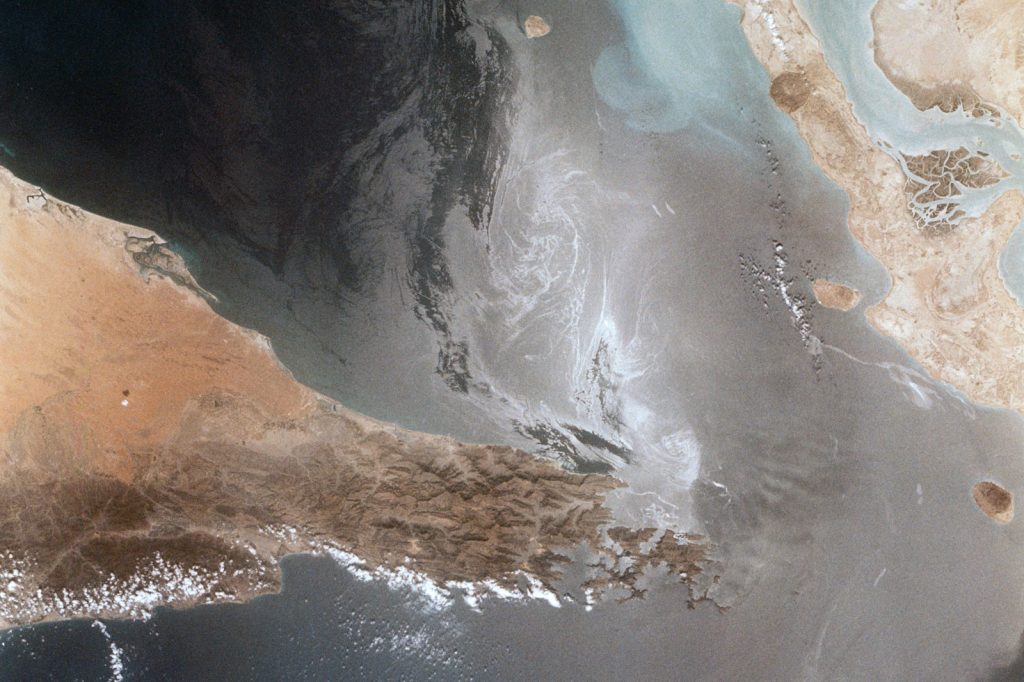
“We have introduced a plan to the US through the mediators that if certain conditions are met, the strait will be open within seven days and talks will start.” Iranian Foreign Minister Abbas Araghchi said that to reporters in New York during the week of the UN General Assembly, with the Strait of Hormuz still closed.
The Guardian reported on September 24, 2026 that Iran had told President Donald Trump it was willing to open the strait in six days and to begin talks on its nuclear program the day after. The price: Washington would lift sanctions on Iran’s oil exports, end the war on all fronts, including Lebanon, and release some of Iran’s frozen assets.
Talks on the sidelines
Araghchi and US special envoy Steve Witkoff met earlier that week on the margins of the General Assembly. The Guardian said they discussed Iran’s terms for reopening the strait, how fast that might happen and how long the Americans had to respond. Araghchi told reporters he would stay in New York over the weekend to wait for an answer, though he was not in a hurry.
On the same day, UK Foreign Secretary Ed Miliband met Araghchi in New York. It was their first meeting, and the first between British and Iranian ministers in a year. Miliband stressed British support for freedom of navigation in the strait and for a diplomatic solution. He also asked for consular access to a British couple sentenced to 10 years in prison in Tehran.
What Iran wants
The Guardian described the proposal as a way to speed up steps in the memorandum of understanding that the US and Iran signed in June. Under that memorandum, nuclear talks would not have started for 60 days. Araghchi said Iran’s preconditions were nothing new and were already in the Islamabad memorandum that Trump signed.
Iran also said it had agreed a temporary route through the strait with Oman and was ready to register the details with the International Maritime Organisation. Saudi Arabia had been expected to endorse that route but pulled back, partly because Iranian-backed Houthis had begun attacking Saudi Arabia. The Guardian noted that Brent crude traded at about $107 a barrel on the Thursday.
Iranian officials, the paper reported, privately believed a deal was within reach but feared Israel would pull the US president away from it. For Washington the sticking points included pressing Israel to end the war in Lebanon, and Iran’s wish to keep control over the shipping that passes through, which would also keep some US military vessels out. Toll questions were left for later.
Iran’s account, three days on
On September 27, Iran’s IMNA news agency quoted Araghchi saying that every meeting he and President Masoud Pezeshkian held at the General Assembly centered on presenting conditions approved by Iran’s Supreme National Security Council. The mediators had passed those conditions to the American side. By his account, Trump gave an initial reaction and then nothing further came back, and he called the president’s statements mixed and at times contradictory. Iran, he said, was waiting for a definitive American position before choosing its next step.
Sources
- Iran awaiting response from Trump on proposal to open strait of Hormuz in six days | The Guardian
- Araghchi: New York talks focused on Iran's conditions for reopening Strait of Hormuz | IMNA




