
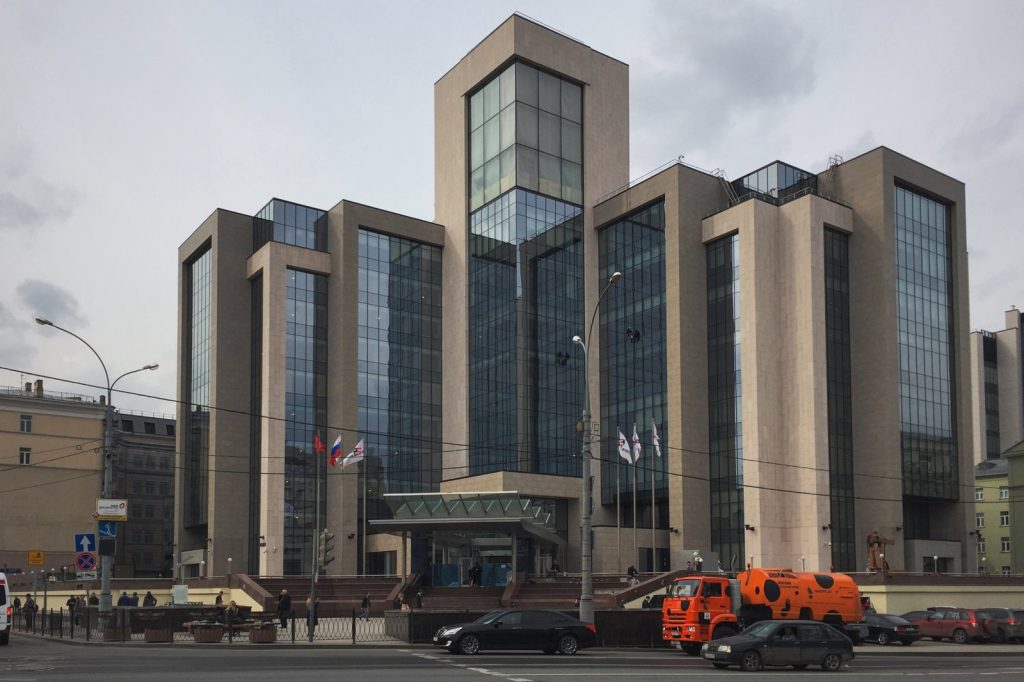
On 5 September, in the Kremlin, Vladimir Putin raised an oil deal with Steve Witkoff and Jared Kushner. According to three people familiar with the meeting, cited by The New York Times, Putin proposed it to show Russians they could do business with the Americans. The visitors answered that they would work on it.
The Times reported that the talks on ending the war in Ukraine have widened to include a multibillion-dollar sale covering Lukoil’s global holdings: oil fields, refineries and petrol stations. The deal needs approval from both the US government and the Kremlin. Eight people familiar with the matter described the negotiations, which have run for several months, to the newspaper.
Who is at the table
The leading group seeking to finalise the agreement, the Times said, includes American investor Todd Boehly, who has given $2 million to President Donald Trump’s political causes. Two Middle Eastern groups that have done business with Kushner or Witkoff’s family are also in it, along with a branch of the US government. One investor is a co-owner of World Liberty Financial, the cryptocurrency company Witkoff co-founded.
The Times noted there is no evidence that Kushner or Witkoff would profit personally. Still, it said the proposal shows how closely personal business interests and geopolitics are entwined, even under an administration that routinely brushes aside conflict-of-interest concerns.
Why buyers want it
The arithmetic is simple. American approval of the sale would lift US sanctions from the assets and lift their value at once. The portfolio is wide, running from oil fields in Cameroon to refineries in Europe to petrol stations in New Jersey. In Moscow the call is widely seen as Putin’s, even though Lukoil is officially a private company. In the end, the Times said, the transaction comes down to decisions by Putin and Trump.
The Americans, according to one source, saw an opening to build good relations with the Kremlin and to bring down global energy prices. Trump has pushed the idea of business deals with Russia since early last year, calling the country a “tremendous opportunity”.
Meanwhile Washington has repeatedly pushed back the deadline for selling the assets of sanctioned Lukoil. The latest extension, announced in August, gave potential buyers until 19 September to close, subject to further approval from the Treasury’s Office of Foreign Assets Control.




