
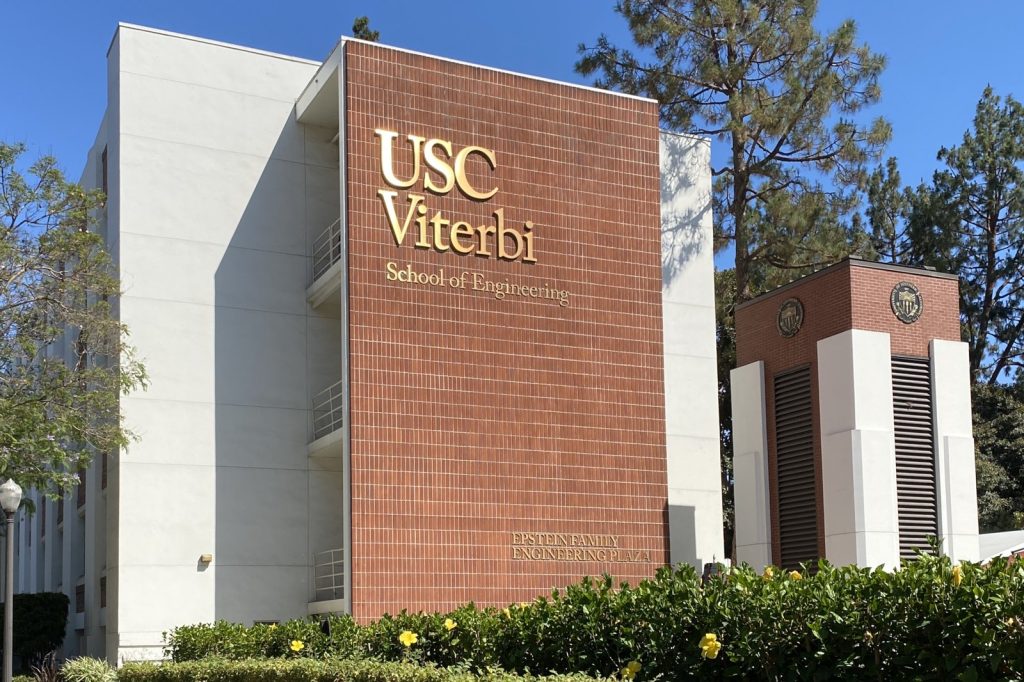
LOS ANGELES, July 7 — At the Viterbi School of Engineering at the University of Southern California, Dr. Joseph Wang is studying computer models that show something unsettling happening in the upper atmosphere. By 2030, he warns, the reentry of satellites from massive constellations like Starlink could increase aluminum oxide levels in the mesosphere by up to 650% over natural background levels. The finding comes from a study he led, published in 2023 in the journal Geophysical Research Letters.
The mechanism is straightforward, though its consequences are not. When satellites burn up on reentry, the materials they are made of — primarily aluminum — vaporize.
Dr. Wang’s research uses computational fluid dynamics to simulate that vaporization and the chemical reactions that follow in the upper atmosphere. The result is aluminum oxide, a compound that does not belong there in such quantities.
The chemistry of a vanishing satellite
The mesosphere is a layer most people never think about. It sits above the stratosphere, high enough that meteors burn up there. It is also where the debris from defunct satellites now ends up.
Dr. Wang’s team modeled the atmospheric impact of satellite reentries from planned large constellations, and the numbers are stark. A 650% increase in aluminum oxides is not a minor perturbation.
It is a fundamental shift in the chemical makeup of a layer of the atmosphere that has remained relatively stable for millennia. The professor of astronautics at USC has been calling for more research into the long-term environmental effects of satellite disposal. He is not alone in his concern.
As the number of satellites in low Earth orbit grows — Starlink alone has launched thousands, with many more planned — the question of what happens when they all come down becomes urgent.
A regulatory blind spot
Dr. Wang has urged regulators to consider atmospheric pollution in licensing decisions. Currently, the Federal Communications Commission and other bodies that approve satellite constellations focus on orbital debris and collision risk. The atmospheric chemistry of reentry is largely unregulated.
That may change. The study from USC provides a clear, data-driven argument that it should not be ignored.
The university itself is a private research institution in Los Angeles, founded in 1880. Its Viterbi School of Engineering has long been a center for aerospace research. Dr. Wang’s work fits into that tradition, but it also pushes into new territory — the intersection of space technology and Earth’s environment.
What comes next
By nightfall, the models on Dr. Wang’s screen will still be running. The study from 2023 is already two years old, but its implications are only now beginning to sink in. With satellite launches continuing at a rapid pace, the 2030 milestone is not far off.
The question is whether the regulatory system will catch up before the chemistry of the mesosphere is permanently altered. For now, the professor continues his work.
The computational fluid dynamics simulations refine themselves. The aluminum oxide levels in the model climb. And the atmosphere above us, invisible and largely unmonitored, waits.
{“@context”: “https://schema.org”, “@type”: “NewsArticle”, “headline”: “USC’s Dr. Joseph Wang Quantifies Satellite Reentry Pollution”, “description”: “LOS ANGELES, July 7 — At the Viterbi School of Engineering at the University of Southern California, Dr. Joseph Wang is studying computer models that…”, “datePublished”: “2026-07-07T09:30:00+00:00”, “author”: {“@type”: “Person”, “name”: “Isabella Moore”}, “publisher”: {“@type”: “Organization”, “name”: “InfoPulse Today”, “url”: “https://newsfeed.infopulsetoday.com/”}}




