
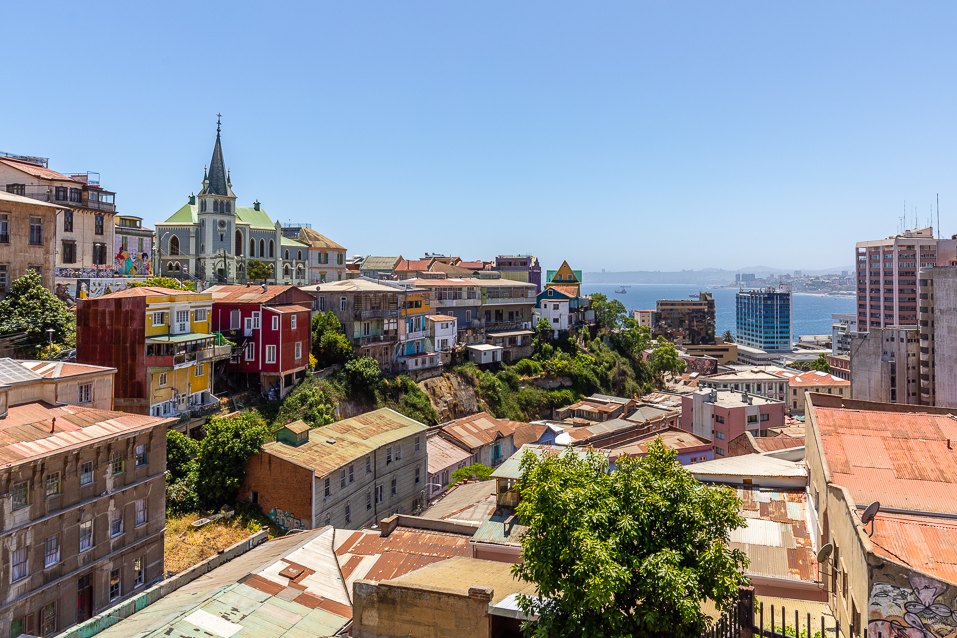
Valparaíso’s narrow streets and hillside houses, packed close together, turned into fire corridors. The result: somewhere between 3,000 and 6,000 homes are now damaged or destroyed. That is the core of the immediate crisis.
Tens of thousands of people need shelter, food, water. The city’s unique geography—winding roads and dense construction—made the spread inevitable.
Now it makes the relief effort a logistical nightmare. Emergency crews are working. But the scale is brutal.
At least 112 people are dead. That number may rise.
The city, a major seaport and naval base, is struggling to function. Its port operations matter to the whole country. Valparaíso handles a huge share of Chile’s maritime trade.
Any disruption there ripples outward. Supply chains tighten. Goods get delayed.
The economic cost will take months to calculate. The Chilean Navy has been headquartered here since 1817.
That presence is now part of the response. Naval personnel are assisting with evacuations and security. The city’s role as a naval base means it has infrastructure—docks, warehouses, communication systems—that can be redirected.
But that same infrastructure is vulnerable. The fires did not spare military zones entirely.
Environmental damage is another layer. The report flags concerns about the ecological impact. Homes burned.
Vegetation incinerated. Soil destabilized. When the rains come—and they will—mudslides could follow.
That would hit the same already devastated neighborhoods. The hillsides, stripped of cover, will not hold.
This is not a distant worry. It is a near-term hazard. The human toll is not just the dead.
It is the displaced. Thousands of families have lost everything.
They are crowding into shelters, staying with relatives, sleeping in cars. The city’s population is 284,938. That makes it the 10th-largest commune in Chile.
A significant chunk of that population is now homeless. The recovery will take years. Insurance payouts will be slow.
Government aid will be stretched. Valparaíso sits about 120 kilometers northwest of Santiago.
It is the capital of Chile’s second most-populated administrative region. That political weight matters. The national government cannot ignore this disaster.
Pressure will mount for a strong federal response. Money, resources, personnel—all will be demanded.
The region’s economy, already strained by other shocks, now faces a direct hit. The fires are out in some areas. In others, they still burn.
Firefighters are exhausted. Equipment is worn. The city’s winding streets, charming in normal times, are a maze for emergency vehicles.
Access is slow. Aid delivery is patchy.
The most vulnerable—the elderly, the poor, those in the most densely packed hillside shanties—are the hardest to reach. What to watch next: the death toll update. The housing count.
The port’s return to full operation. The environmental cleanup.
The political fallout. Each of these will unfold over weeks and months. For now, Valparaíso is a city in shock.
Its historic streets, its naval pride, its role as a Pacific gateway—all of it is overshadowed by ash and grief. The fire did not just burn houses. It burned a way of life.




