
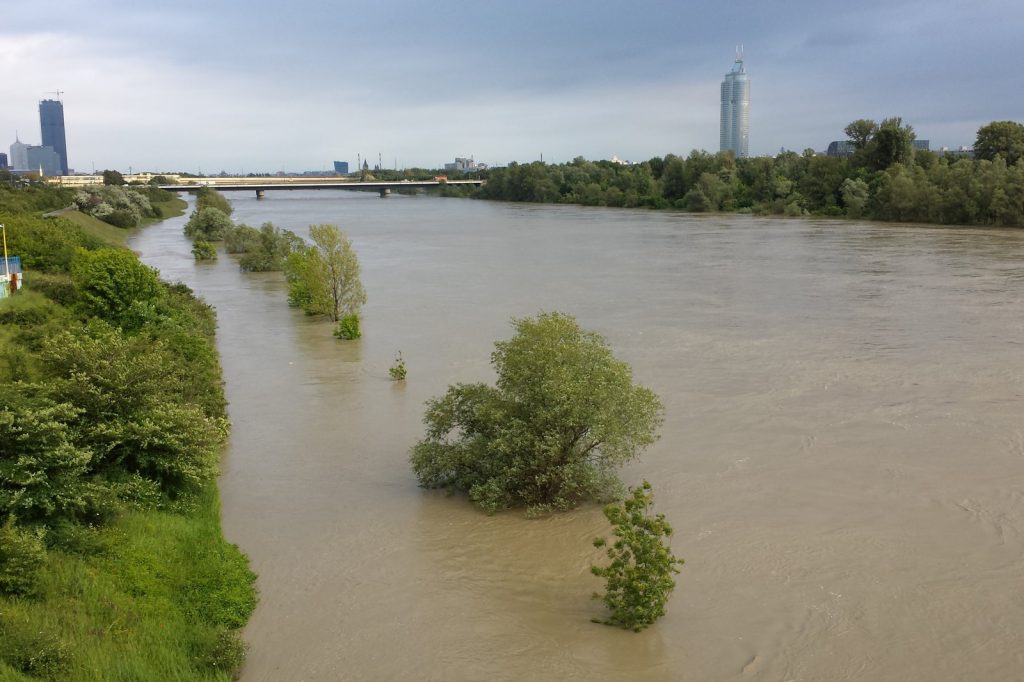
On August 18, a sudden downpour poured the equivalent of an entire summer’s rainfall over Vienna in just sixty minutes. The torrent overwhelmed a drainage network designed for heavy, but not extreme, precipitation, turning streets into swift channels and flooding basements, ground‑level shops and underground transit stations.
The capital of Austria, home to roughly 1.9 million residents, now faces the early stages of a large‑scale cleanup. Initial assessments of the economic fallout are already pointing to severe losses as businesses remain shuttered and households contend with water‑damaged belongings.
Infrastructure suffered immediate blows: several roadways buckled under the pressure, power supplies flickered in multiple districts, and the city’s transport arteries were disrupted. Residents who believed they were safe from floodwaters found water rising inside their apartments, while many commercial premises were forced to close their doors for days or even weeks.
In response, the Austrian government has announced emergency funding to support reconstruction and removal efforts. Officials acknowledge, however, that financial aid alone cannot instantly restore a flooded home or replace ruined inventory. The recovery process is expected to extend over several months, with everyday life in Vienna remaining unsettled.
Workplaces and schools have been particularly affected, leaving commuters unable to travel and children unable to attend classes. The interruption to the city’s routine highlights the broader social impact of the event, beyond the physical damage.
Vienna’s location in the Eastern Alps makes it prone to heavy rain and flash floods, yet the intensity of this storm—compressing a year’s worth of summer precipitation into a single hour—was unprecedented. Existing drainage systems, built for typical heavy rain, proved insufficient, a shortfall that could have been mirrored in many other urban centers faced with similar extreme weather.
The disaster has sparked a renewed debate on urban resilience. City planners and policymakers are now focusing on upgrading flood defenses, including larger drainage capacity, concrete barriers, and more robust early‑warning systems. Zoning regulations are also under review, with proposals to restrict new construction in vulnerable floodplain areas.
Beyond structural measures, the flooding has underscored the importance of energy security. A report linked to the event notes that Austria is looking to expand renewable sources such as solar and wind power to lessen dependence on imported energy. Extreme weather events expose weaknesses in the power grid, and a more distributed, resilient energy mix could mitigate future disruptions.
All sectors of Vienna—residential, commercial and public—are feeling the repercussions. While the government’s pledged assistance will eventually reach those affected, the immediate need for repairs and replacement of damaged goods remains pressing.
The water will eventually recede, but the damage inflicted will linger, requiring long‑term rebuilding and a reassessment of how the city prepares for rare, high‑intensity storms. The experience serves as a stark reminder that even well‑prepared urban areas can be caught off guard by rapid climate‑driven events.
Vienna’s path forward will be shaped by concrete investments, revised policies and the resilience of its inhabitants as the city works to restore normalcy and safeguard against future deluges.




