
LONDON, July 14 — The economics of water are warping under the weight of climate pressure, population growth, and aging infrastructure. The World Bank estimates that water scarcity could shave as much as 6% off GDP in some regions by 2050. That is not a distant abstraction; it is a direct line from the cost of a cubic meter to the viability of national economies.
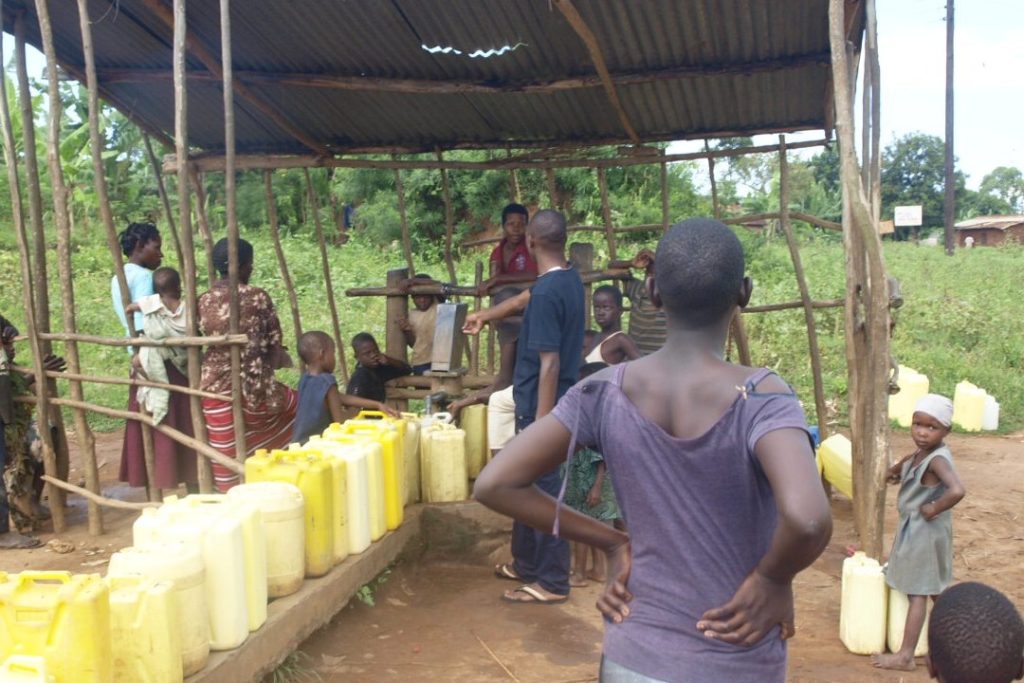
The technical reality of water pricing is starkly bifurcated. The United Nations Development Programme reported in 2006 that the average cost of water in developing countries sits at $0.10 per cubic meter.
In developed countries, that figure ranges from $0.50 to $3.00. The gap is not merely a market anomaly — it reflects radically different levels of infrastructure investment, treatment standards, and subsidy regimes. Despite those higher tariffs in wealthy nations, the sector is not covering its own costs.
The World Bank’s 2019 Global Water Report found that 80% of water utilities do not recover their full costs through tariffs. That is the detail that matters: the majority of systems worldwide are running on financial fumes, dependent on government transfers or deferred maintenance.
Flint, Michigan, in 2014, was the catastrophic consequence of that deferral — cost-cutting measures exposed 100,000 residents to lead contamination.
The politics of the pipe
Privatisation has been one proposed remedy, but it carries a heavy political price tag. The 1999 Cochabamba water war in Bolivia saw protests force the cancellation of a contract with Bechtel. The episode remains a touchstone for opponents of private water utilities, who argue that profit motives clash with the UN’s 2010 resolution recognising the human right to water and sanitation.
The tension between cost recovery and universal access is not going to resolve itself. As ever, the under-the-hood economics are about who pays, and what happens when they cannot or will not.
Virtual water and disaster costs
The price of water is also embedded in everything we consume. The Water Footprint Network, founded in 2008, calculates that producing 1 kg of beef requires 15,415 litres of water. A kilogram of rice demands 2,497 litres.
These are not direct costs on a bill, but they are real costs in aquifer depletion and river diversion. The World Economic Forum’s 2023 report estimated that water-related disasters — floods, droughts, storms tied to hydrological cycles — have caused $200 billion in economic losses since 2000.
That figure is likely to climb as infrastructure built for a 20th-century climate faces 21st-century extremes. What to watch next: whether the 80% cost-recovery gap narrows or widens, and whether the next Cochabamba or Flint is already forming in a city where the pipes are old and the tariffs are too low to fix them.




