
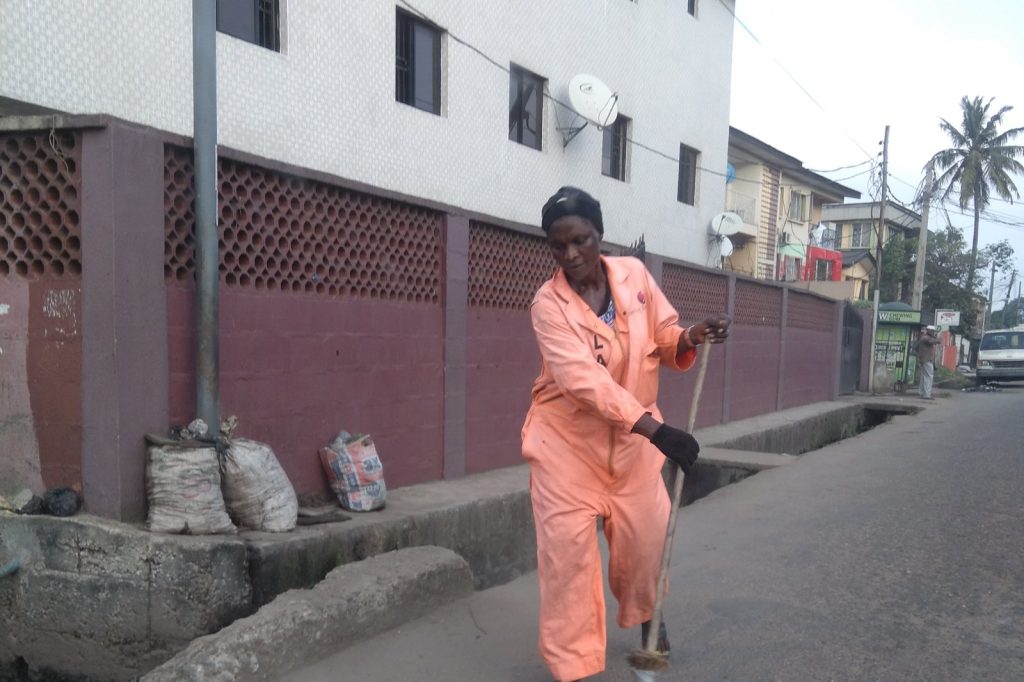
Lagos produces between 13,000 and 14,000 tonnes of waste every day, according to an estimate from state officials in October 2025. That number is the starting point for a ThisDay column by Chiemelie Ezeobi arguing that the city’s environment should be counted as infrastructure, right alongside its roads and bridges.
The column’s case is that Nigerian infrastructure has long meant things you can see and build: roads, bridges, schools, hospitals, housing estates. In a coastal megacity under pressure from population growth, flooding and climate change, that definition falls short. Drainage channels, waste collection, waterways, wetlands, wastewater systems, shoreline protection, air-quality management and urban greenery all do practical work, and the visible infrastructure depends on them.
From refuse to resource
Hauling rubbish off the street is no longer enough at that volume. The system also needs sorting, recycling, disposal, enforcement and landfill management, and the question becomes how much waste can be recovered and put to use. Ezeobi points to growing talk of a circular economy and “waste to wealth.” Some material becomes input for other businesses. Other waste is being considered for conversion to energy and compost.
The Lagos Waste Management Authority says recycling companies operating in the state have gone from three to 78, creating more than 6,000 jobs.
Water everywhere
Lagos is low-lying and coastal, with lagoons, creeks and waterways running through and around its urban areas. Heavy rain lands on a landscape that already has a complicated relationship with water. Built-up areas keep expanding, drainage alignments are encroached on, and waste gets dumped into waterways, all of which cuts the capacity of the drains. Changing rainfall adds to the strain.
So building channels is only part of the answer. Dredging matters, as do regular maintenance, enforcement, public awareness and protecting drainage corridors. A channel that is clogged or boxed in does not move water as intended.
Wetlands come into this too. They are sometimes treated as undeveloped land inside a growing city, but they help absorb and hold water. The state has drawn up a policy specifically on wetlands and biodiversity, which Ezeobi reads as an acknowledgement that environmental protection and urban development cannot be handled separately.
Work nobody photographs
Some of the work gets little notice because success shows up as problems that never happen: wastewater regulation, pollution control, sanitation enforcement and environmental monitoring. None of it makes a ribbon-cutting. It still bears on public health in a city where homes, businesses and industry sit close together.
The column does not claim the job is done. Waste remains a major challenge, flooding still hits communities, and the pressures from development and climate change are not going away. Its test for the Lagos State Ministry of the Environment and Water Resources is whether the institutions, policies and systems needed to manage all this are being built up step by step.




