
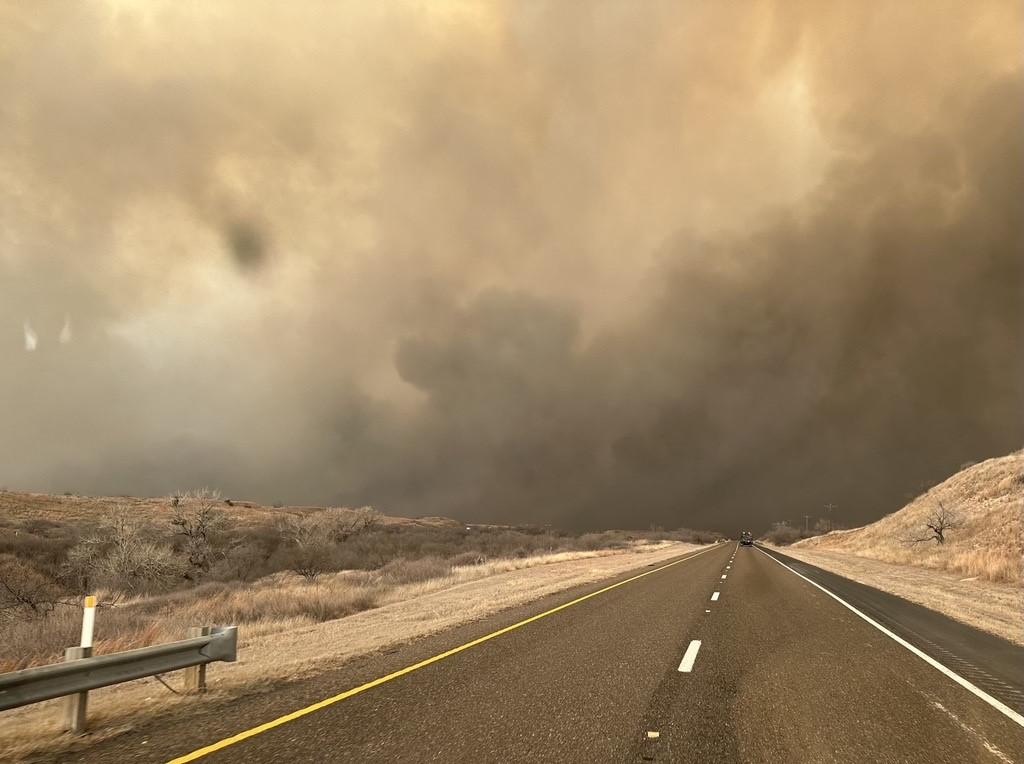
As of March 14, 2025, a series of intense wildfires fueled by severe winds and dry conditions have broken out across Oklahoma and Texas, prompting widespread evacuations and leaving tens of thousands of residents without electricity. Emergency crews are working urgently to contain the fast-moving blazes and safeguard communities in the path of the flames. The fires have caused significant disruption to daily life. Thousands of people have been forced to leave their homes and seek refuge in temporary shelters.
The resulting power outages have crippled essential services, including communication networks and healthcare facilities, compounding the challenges faced by affected areas. Oklahoma, a landlocked state situated in the South Central and Southwestern United States, is especially prone to wildfires because of its arid climate and geography.
The state’s name comes from the Choctaw words “okla,” meaning “people,” and “humma,” meaning “red,” a description that has taken on a grim relevance as flames consume large areas of land. Oklahoma City, the state capital and largest city, serves as a major hub, meaning the fire crisis is felt well beyond the immediate burn zones. Concerns are mounting over the long-term environmental toll.
The region’s distinctive biodiversity, encompassing a variety of plant and animal species, is under threat from the fires. Conservationists warn that restoration efforts may be needed to rehabilitate damaged habitats and prevent further ecological harm.
In the aftermath of the disaster, many residents are looking toward renewable energy as a means to reduce dependence on fossil fuels and lessen the economic and environmental consequences of such events. Investing in wind and solar power could enhance energy security and offer cost-effective solutions, while also creating new jobs and stimulating local economies during the recovery phase. The response to the wildfires has been rapid and coordinated, with emergency personnel and volunteers collaborating to suppress the flames and assist impacted communities.
As conditions continue to evolve, officials acknowledge that the path to recovery will be lengthy and demanding. Looking ahead, recovery efforts will likely blend immediate and long-term strategies.
In the near term, the priority is containing the fires and providing support to displaced residents. Once the situation stabilizes, focus will shift to rebuilding infrastructure and implementing measures to reduce the risk of future wildfires. By emphasizing energy security, cost-efficiency, and environmental sustainability, Oklahoma and Texas can aim for a more resilient future, one powered by clean energy and guided by a commitment to protecting the natural world.




