
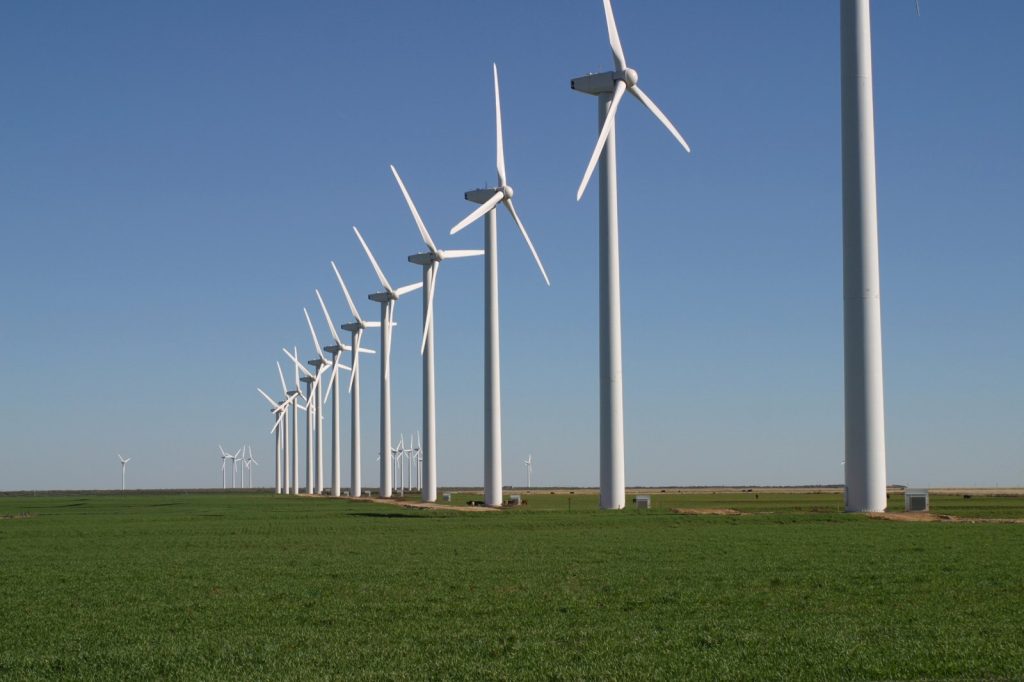
For more than a month in the spring of 2024, wind farms produced more electricity than coal‑fired plants across the United States. This stretch occurred during March and April, marking the first time wind has held a sustained advantage over the nation’s long‑standing dominant source of power.
Coal once supplied the bulk of U.S. electricity, but the recent reversal highlights a changing energy mix. The milestone builds on earlier progress. In 2019 wind surpassed hydroelectric power to become the country’s largest renewable source.
Overtaking coal, however, represents a larger step because coal plants are large, entrenched facilities deeply integrated into the grid. Despite their inertia, wind generation exceeded coal output for two consecutive months, demonstrating that the shift is not merely a fleeting fluctuation.
Underpinning this development is steady growth in wind capacity. As of December 2023, the United States had 147,500 megawatts of installed wind capacity, up from 141,300 megawatts at the start of that year. Over roughly twelve months the industry added about 6,200 megawatts — hundreds of new turbines spinning in farms nationwide.
By 2025 wind was supplying 10.48 % of total U.S. electricity, a share expected to rise as more turbines come online. Efficiency gains amplify the impact of this capacity.
The average modern turbine generates enough electricity in just 46 minutes to power an average American home for an entire month. In other words, less than an hour of blade rotation covers thirty days of lighting, refrigeration, and device charging for a household. Policy support has played a role.
Federal tax credits and state‑level renewable portfolio standards have provided a consistent push for wind deployment. That consistency matters when constructing a vast new energy infrastructure.
Energy security considerations also favor wind. By reducing reliance on imported fuels, wind helps stabilize energy markets and tends to lower costs. Generating electricity from wind is already cheaper than burning fossil fuels in many regions, a reality reflected in market outcomes rather than a projection. Economic effects follow the technology’s expansion.
The wind sector creates jobs for turbine technicians, construction crews, maintenance staff, and logistics workers. Communities that host wind farms see additional revenue, and landowners receive lease payments.
These financial benefits accrue locally while contributing to broader employment. Challenges remain. Operators must continue monitoring environmental impacts, including bird mortality and landscape alteration.
The materials used to build turbines carry their own ecological footprint, and siting decisions require careful attention. Responsible development is not optional; it is necessary for sustainable growth.
Overall, the trajectory is clear. Wind power has moved beyond a niche role to become the largest renewable source in the country. It has beaten coal for an extended period, supplies more than ten percent of national electricity, and continues to expand as capacity rises, costs fall, and turbines keep turning.
The 46‑minute efficiency figure encapsulates how quickly a single unit can pay for itself, a metric that scales upward with the nation’s growing wind fleet.




