
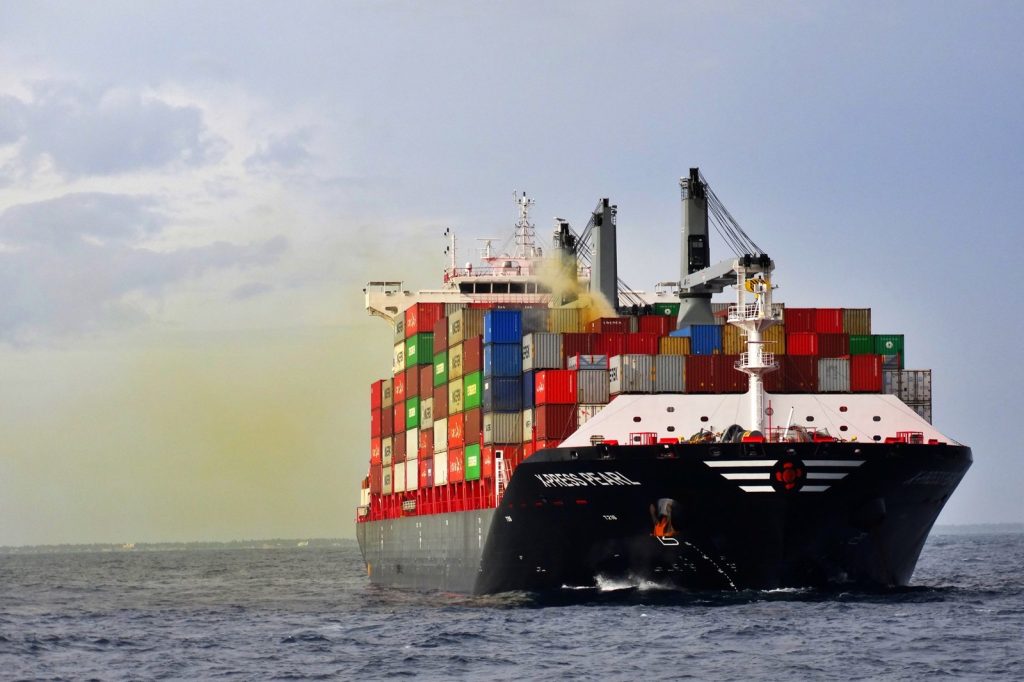
The X-Press Pearl, a Singapore-registered Super Eco 2700–class container ship, has been at the center of one of the most significant marine ecological disasters in recent history. The vessel, which was approximately 186 metres long, caught fire off the coast of Colombo, Sri Lanka, on 20 May 2021, and was eventually declared a total loss. As of 15 April 2023, salvage operations to remove the wreck, which began in November 2021, are nearing completion, with all work on site expected to be finished by the end of April 2023.
The incident involving the X-Press Pearl was a devastating one, with the vessel engulfed in flames by 27 May 2021. Despite efforts by Sri Lankan firefighters, who managed to bring the fire under control by the late hours of 27 May 2021, the ship continued to burn for 12 days.
It eventually sank on 2 June 2021, while being towed to deeper waters. The sinking of the X-Press Pearl resulted in a significant spill of chemical products, which has been deemed the worst marine ecological disaster in Sri Lankan history. The X-Press Pearl was operated by X-Press Feeders, which has been involved in the salvage operations to remove the wreck.
These operations, which commenced in November 2021, were interrupted during the southwest monsoon, which took place from late April to November 2022. The salvage work is now nearing completion, with the expectation that all work on site will be finished by the end of April 2023.
This timeline is crucial in mitigating the further environmental impact of the disaster. A 2021 United Nations report highlighted the severity of the ecological disaster caused by the X-Press Pearl. The report noted that the incident resulted in the largest recorded plastic spill, with approximately 70–75 billion nurdles released into the environment.
These nurdles, which are small plastic pellets, take centuries to degrade and have significant implications for marine life. The report’s findings underscore the need for urgent action to address the environmental impact of the disaster and to prevent similar incidents in the future. The sinking of the X-Press Pearl and the subsequent spill of chemical products have had far-reaching consequences for the marine ecosystem in Sri Lanka.
The disaster has highlighted the importance of effective safety measures and emergency response protocols to prevent and respond to such incidents. As the salvage operations near completion, it is essential to continue monitoring the environmental impact of the disaster and to take steps to mitigate its effects.
Looking ahead, it is crucial to watch for the completion of the salvage operations and the final assessment of the environmental impact of the X-Press Pearl disaster. The lessons learned from this incident will be essential in informing strategies to prevent similar disasters in the future. As the world continues to grapple with the challenges of environmental protection and marine conservation, the story of the X-Press Pearl serves as a reminder of the need for vigilance and cooperation in protecting our planet’s precious resources.
With the expected completion of the salvage operations by the end of April 2023, the focus will shift to the long-term recovery and rehabilitation of the affected marine ecosystem.




