
When an explosion ripped through a manufacturing facility in Hickman County, Tennessee, on October 10, 2025, it claimed the lives of sixteen employees on the spot. The blast also left several others injured, though their conditions have not been disclosed. The tragedy has thrust a small, rural county—home to 24,925 residents according to the 2020 Census—into a crisis that will test its limited emergency and support resources.
The plant, a key employer in an area that relies heavily on the Nashville–Davidson–Murfreesboro–Franklin metropolitan corridor for economic stability, now stands as a ruined site. With payrolls halted and health‑insurance coverage thrown into uncertainty, surviving workers and the families of the deceased face immediate financial and logistical challenges.
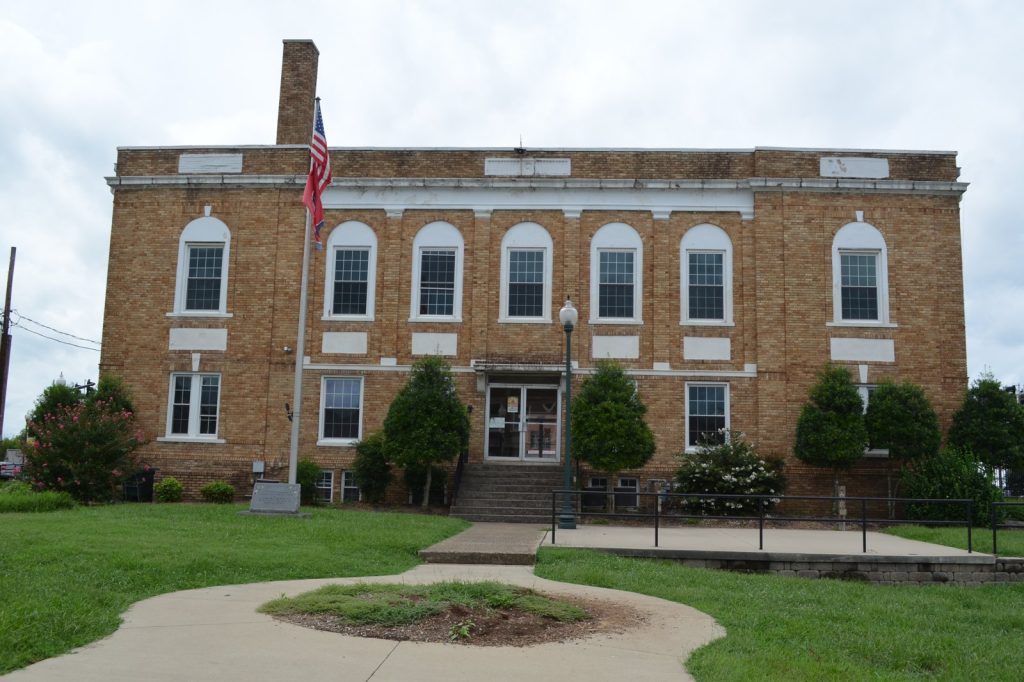
Centerville, the county seat, is expected to become the focal point for relief efforts, but local agencies are not equipped for a disaster of this magnitude. Initial response to the explosion was described as chaotic, reflecting the county’s modest emergency‑services capacity. As the community grapples with the aftermath, officials will need to coordinate funerary arrangements, launch a thorough investigation, and manage the identification of the victims. State authorities are anticipated to step in, and federal assistance may follow.
Investigators have yet to determine the cause of the blast. Over the coming weeks and months, they will comb through debris, interview survivors, and examine the plant’s safety documentation.
Key questions will focus on the regularity of inspections, adherence to safety protocols, and whether the building complied with applicable codes. Findings will influence liability determinations, insurance settlements, and any potential criminal charges. Environmental concerns also loom large.
Industrial explosions can disperse hazardous chemicals and pollutants, and the surrounding communities draw water from local sources. Cleanup operations will be necessary, but the timeline and funding responsibilities remain unclear.
The incident arrives amid a broader shift toward renewable energy, driven by cost considerations and energy security. The explosion at a traditional manufacturing site underscores the lingering risks associated with older industrial practices, highlighting the safety advantages that cleaner‑energy transitions aim to provide. While this context frames the national conversation, it offers little solace to those directly affected in Hickman County.
In the wake of the disaster, the community is mobilizing. Local groups and residents have already organized food drives, fundraising events, and vigils in Centerville.
This grassroots response reflects the resilience typical of small towns, even as it is born of necessity. The path forward will involve a series of procedural steps: autopsies, insurance claims, OSHA investigations, and possibly litigation. Whether the plant will be rebuilt or permanently shuttered has yet to be decided, but the economic void left by its loss is expected to linger for years.
For the families of the sixteen victims, the waiting period began before the smoke cleared. As Hickman County confronts the immediate fallout and the longer‑term ramifications, the community’s determination to endure will be tested, but its resolve to move forward remains evident.




