
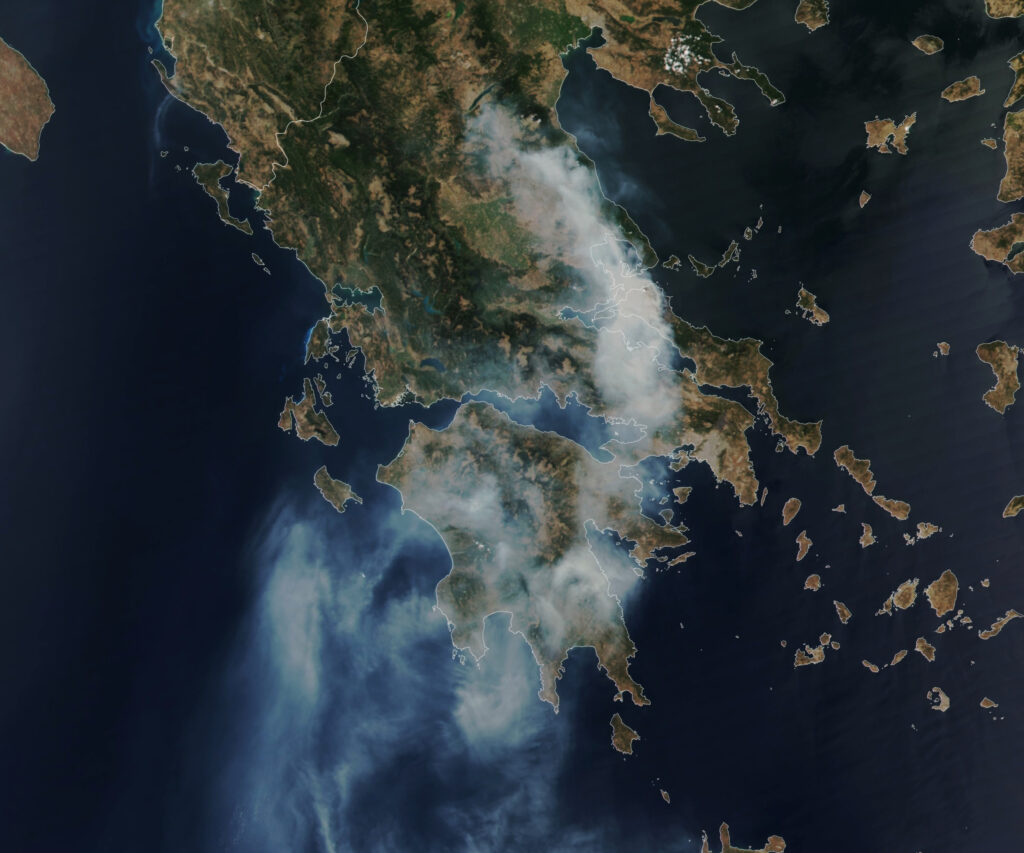
Greece Faces Ongoing Wildfire Crisis Amid Record Heat
Multiple wildfires have ignited across Greece, causing extensive damage and loss of life. Authorities began close monitoring of the situation on July 17, 2023, as a prolonged heatwave pushed temperatures to extreme levels, creating conditions that favour rapid fire spread.
The Greek government responded by setting up a Crisis Management Unit tasked with directing firefighting operations, organising evacuations and delivering aid to those threatened by the blazes. Emergency crews are working both to contain the flames and to move people out of harm’s way.
Meteorologists warn that the current heatwave could become one of the longest ever recorded in the country, with forecasts indicating it may persist for up to 16‑17 days. Already, thermometers have climbed to 41.0 °C (105.8 °F), and predictions for the island of Rhodes suggest highs could reach 45.0 °C (113.0 °F). Such sustained heat has turned the landscape into a tinderbox, allowing fires to take hold and expand quickly.
According to official tallies, more than 80 separate wildfire incidents have been reported nationwide. In connection with the outbreaks, 79 individuals have been taken into custody on suspicion of arson. The human toll stands at no fewer than 28 fatalities and 75 injuries, while countless others have been disrupted by evacuations and temporary displacement.
The island of Rhodes has borne a particularly heavy burden. A fire that started on July 18 forced the evacuation of four sites, among them two seaside resorts. Rescue teams managed to move roughly 2,000 people – including holidaymakers – to safety by sea. This figure represents less than ten percent of the island’s total tourist accommodation capacity, as noted by the Fire Corps spokesman. The operation was described as a major undertaking, with the overriding priority being the protection of anyone in the affected zones.
The Crisis Management Unit continues to coordinate the overall response, synchronising efforts between fire services, civil protection agencies and local authorities to suppress the flames and provide relief to impacted communities. Officials stress that the situation remains fluid and that the focus is on preserving life, supporting evacuees and lessening the effects of the ongoing heat.
Beyond Greece, the episode fits into a broader trend of extreme weather sweeping across Europe. Climatologists note that the July heatwave could become the hottest recorded in more than fifty years and also the longest such period in Greek history. As the crisis evolves, a clearer picture of the total damage and its societal impact is expected to emerge.
Looking forward, authorities warn that the combination of enduring high temperatures and the persistent risk of new ignitions keeps the situation volatile. The potential for further destruction and disruption remains high, and the next several days will be decisive in shaping the trajectory of the fires and their consequences for Greek residents and visitors.




