
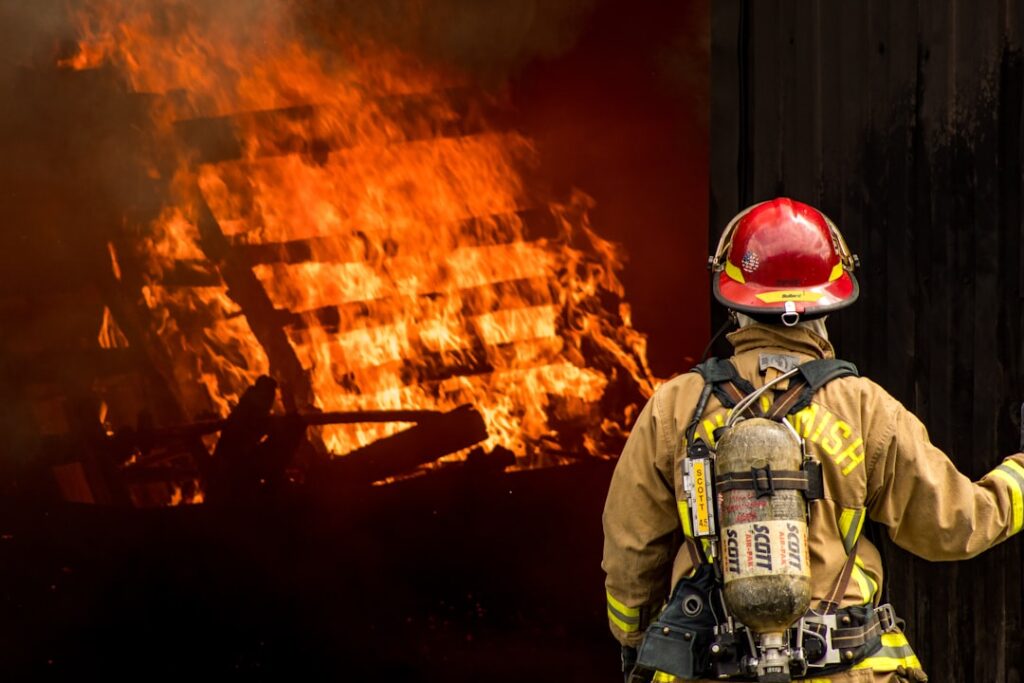
A fire that swept through a commercial building in Xinyu, Jiangxi, on January 24, 2024, resulted in at least 39 fatalities and nine injuries. The structure, designed to house businesses and generate profit, was fully occupied when the flames erupted. This tragedy is not an isolated incident but part of a recurring pattern where the drive for economic efficiency clashes with fire safety measures.
Commercial buildings are ubiquitous in urban landscapes worldwide, serving as offices, clinics, retail outlets, and entertainment hubs. They are engineered for functionality and efficiency, with the primary goal of maximizing economic potential.
However, this objective often competes with the imperative of ensuring occupant safety. The tension between profit and protection is longstanding and not confined to any single country or year. In Xinyu, this conflict proved fatal for 39 individuals. The building was a typical mixed-use, multi-tenant commercial property.
Such structures are designed to serve communities by providing jobs, goods, and services, and they represent a significant component of the global economy. Millions of similar buildings exist worldwide, employing billions of people and driving economic growth.
Yet, they also pose fire risks. Fire safety in commercial buildings has historically been influenced by cost considerations. Owners and managers face pressure to minimize expenses, and inspections, upgrades, and retrofitting for modern fire codes require substantial investment.
The returns on these investments are intangible until a disaster occurs, at which point the cost is measured in lives lost. The Xinyu fire follows a pattern seen in recent years across China and other nations, where similar disasters prompt questions about enforcement of safety protocols and the role of profit motives.
Multiple actors are involved in building safety. Local governments issue permits, fire departments conduct inspections, and national codes set standards. These systems are intended to work together, but when they fail, the consequences can be deadly.
The commercial property sector is also a major energy consumer and contributor to carbon emissions. As the world shifts toward renewable energy, building design and operation must adapt.
Energy-efficient technologies and renewable systems can reduce reliance on fossil fuels and mitigate financial risks, but they require upfront investment that competes with other priorities. Safety is not the only area compromised in the pursuit of profit. Environmental standards may be cut, maintenance schedules delayed, and fire suppression systems left unrepaired.
All these decisions are made by individuals aiming to maximize returns. In Xinyu, such decisions led to at least 39 deaths.
The precise cause of the fire has not been publicly detailed, but the broader context is clear: commercial buildings are designed for profit, and this purpose can conflict with safety. When it does, people die. The Xinyu tragedy is now a data point in the ongoing story of commercial building safety, a story that includes both successful inspections and failures, safe buildings and unsafe ones, and 39 dead people in Jiangxi province.




