
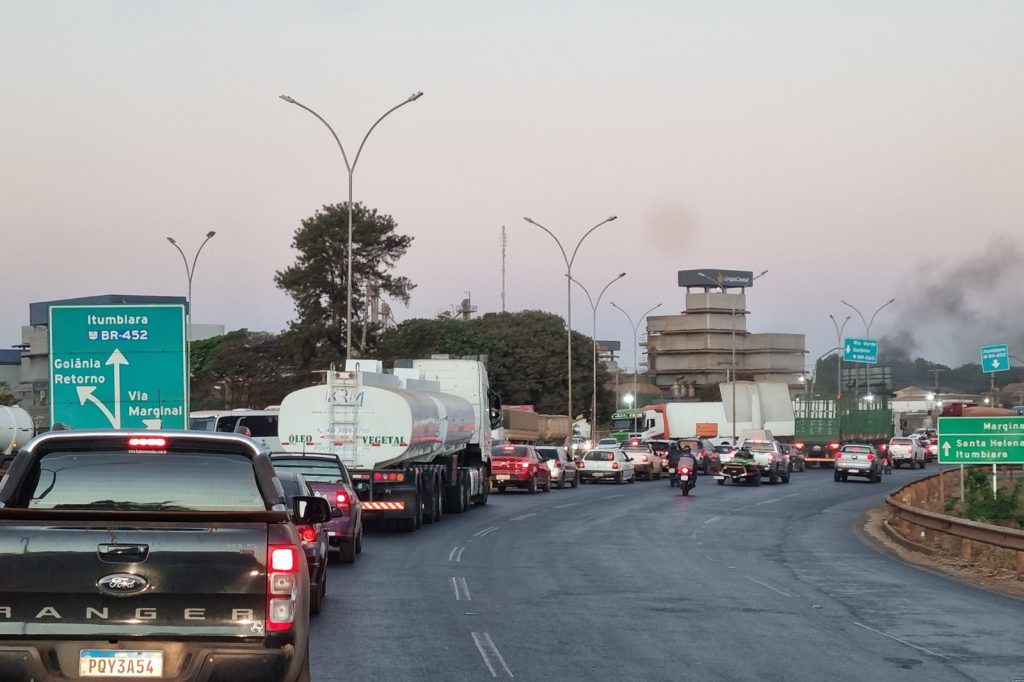
Rescue crews pulled survivors from tangled wreckage on the BR-452 highway in Uberlândia on August 10, 2025. Four people did not make it. Sixteen others were hurt, some badly enough to require hospital care.
The crash happened on a road locals know as dangerous, a major artery through Minas Gerais that carries heavy traffic day and night. The numbers are stark.
Four dead. Sixteen injured. One highway.
The BR-452 has seen this before. It has a history of collisions.
People who drive it regularly know the risks. The question now is whether this latest tragedy will force real change or just become another statistic in a long file of accidents. Initial reports point to a combination of factors.
Excessive speed appears to have played a role. So does reckless driving. Multiple vehicles were involved.
The exact chain of events is still under investigation, but the outline is clear: too much speed, too little control, too many people on a road that punishes mistakes. Emergency crews responded fast.
Paramedics and rescue teams reached the scene quickly. Their work likely kept the death toll from climbing higher. That speed matters.
Every minute counts when people are bleeding or trapped in wreckage. The injured were taken to local hospitals.
They are being treated now. Some will recover. Others face long recoveries.
Families are waiting for news. This is not just a story about a crash. It is about what happens on a highway that carries too many cars at too high a speed with too little safety infrastructure.
The BR-452 is a major transportation route. Trucks, buses, cars, motorcycles — all share the same pavement.
When something goes wrong, it goes wrong in a big way. Residents and local officials are already calling for changes. Better lighting.
Clearer signage. More traffic enforcement.
These are not new demands. They have been made before, after other accidents on the same road. The difference now is the body count.
Four people dead. That tends to focus attention. The crash also raises the stakes for emergency response systems.
A fast, well-coordinated rescue can save lives. But it cannot fix the underlying problem.
No amount of quick paramedic response can compensate for a road that allows reckless driving to go unchecked. The system worked on August 10. The question is whether it will be there the next time.
Investigators are still working to determine the exact cause. They will look at vehicle conditions, driver behavior, road conditions, weather.
They will piece together what happened. But the broader picture is already visible. A highway with heavy traffic, a history of accidents, and drivers who push the limits.
That is a recipe for disaster. For the families of the four who died, this is a permanent loss. For the sixteen injured, it is a painful recovery.
For everyone else who drives the BR-452, it is a warning. Roads do not kill people by themselves.
But they can make it easy for people to kill each other. Speed, recklessness, poor infrastructure — these are the ingredients that turn a normal drive into a catastrophe. The community of Uberlândia is grieving.
But grief alone does not fix a highway. What happens next will determine whether this tragedy becomes a turning point or just another entry in the accident log.
The stakes are concrete. More lives depend on it.




