
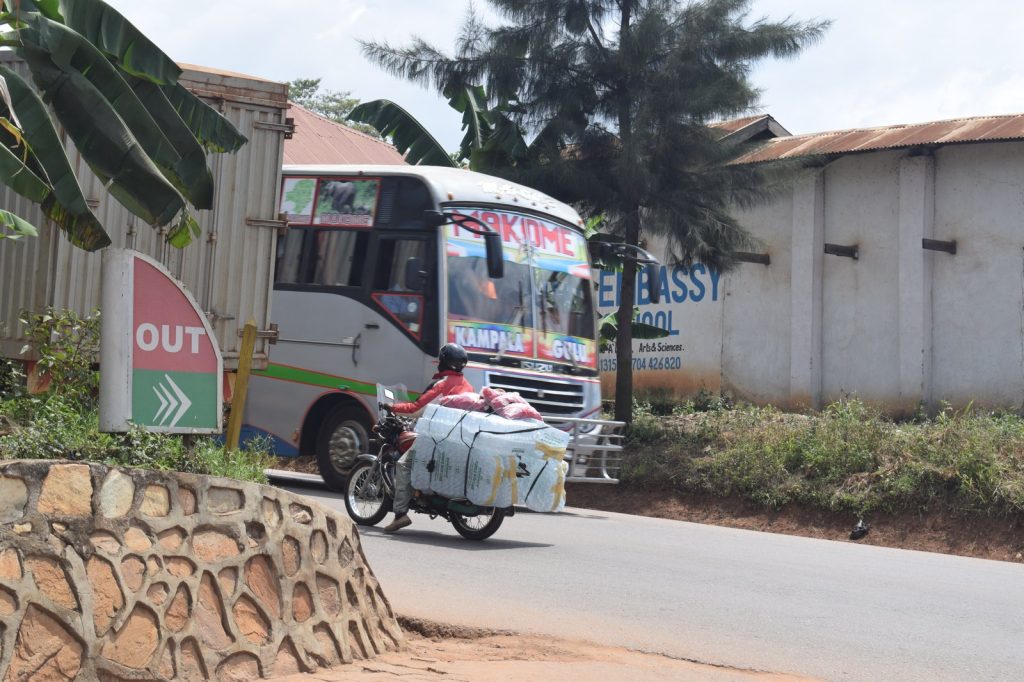
On 22 October 2025 a devastating collision involving two buses and additional vehicles on the Kampala–Gulu Highway claimed the lives of 46 people. Emergency services confirmed that all of the fatalities occurred at the scene, while dozens of others were rushed to nearby hospitals for treatment.
The highway remains open to traffic, but the sorrow felt by the victims’ relatives underscores a broader national concern about road safety. The Kampala–Gulu corridor is a lifeline that links Uganda’s capital with the northern city of Gulu, facilitating the movement of commuters, freight and essential services. Its importance to the country’s economic and social development is unquestionable, yet the route has long been notorious for frequent, often fatal, accidents. The recent crash has thrust the issue into the spotlight, prompting calls for urgent action.
Authorities have already begun rescue and medical operations, focusing on stabilising the injured and assisting families as they arrange funerals. Simultaneously, a formal investigation has been launched.
Officials will examine the condition of the buses, the conduct of the drivers and the state of the road itself to determine the chain of events that led to the catastrophe. Findings could point to a range of remedial measures, each demanding financial resources and political commitment. Ugandan road‑safety officials note that the frequency of serious incidents on this highway is well documented.
While the government has announced plans to upgrade the national road network, progress has been described as slow. Critics argue that delays in implementation have tangible costs, as illustrated by the 46 lives lost in a single instant and the ongoing burden on hospitals and families.
Existing traffic regulations and safety campaigns have not consistently translated into safer driving practices. Enforcement of speed limits, vehicle maintenance standards and driver licensing requirements is uneven, and road‑maintenance responsibilities are not always met to the required standard. The October crash therefore serves as a stark example of how multiple systemic weaknesses can converge with tragic results.
Past investigations into similar accidents on the Kampala–Gulu route have produced reports, yet substantive changes have been limited. The current inquiry will scrutinise the adequacy of safety protocols and the effectiveness of current oversight mechanisms.
What remains to be seen is whether the recommendations that emerge will be acted upon with the urgency the situation demands. For the families of the deceased, the loss is immediate and irreversible. Survivors of the crash now face long periods of convalescence and rehabilitation, while the broader community grapples with the economic impact of lost wages and the emotional toll of the disaster.
The highway, however, will continue to accommodate buses, trucks and private vehicles tomorrow, as it remains the primary conduit between two major urban centres. The tragedy on the Kampala–Gulu Highway is both a somber reminder of the human cost of inadequate road safety and a warning that without decisive intervention, similar incidents are likely to recur.
As investigations proceed and public pressure mounts, the question remains: will the findings translate into concrete improvements, or will the highway’s grim record persist?




