
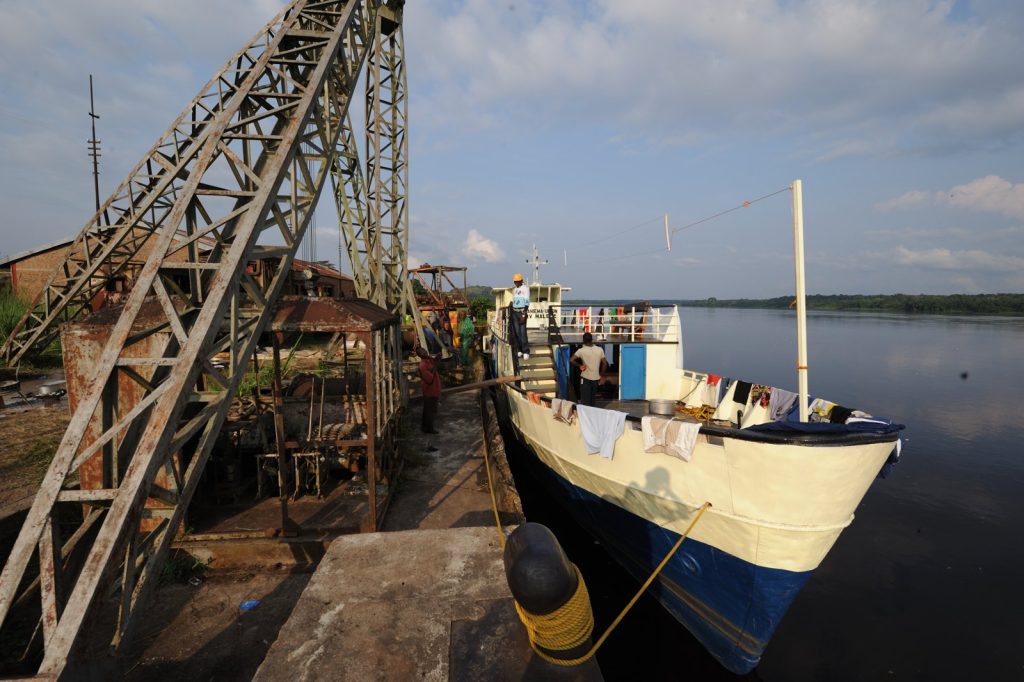
In the Équateur Province, the hunt for submerged bodies persists along its riverbanks. At least 47 lives have been claimed, with scores more still unaccounted for.
The boat, laden with passengers and freight, capsized, according to official reports. The vessel and its captain remain unnamed, and the exact location is undisclosed. The riverbanks are a silent vigil for families, waiting in anticipation.
This incident marks the third significant boat disaster in the Democratic Republic of the Congo over the past two years. Each occurrence demonstrates a recurring pattern: overloaded vessels, nighttime voyages on unlit waterways, absence of life jackets, non-functional radios, followed by an unfortunate incident that plunges the boat beneath the water’s surface.
Following the tragedy, the government extends condolences, and local authorities pledge an investigation. Yet, change remains elusive. The Équateur Province’s rivers serve as the arteries, the thoroughfares.
They transport everything – farmers taking cassava to market, children on their way to school, families visiting relatives, traders carting charcoal and cement – due to the lack of viable alternatives. The roads, when available, transform into slush during the rainy season.
Air travel is financially burdensome. Thus, people are compelled to take the boats. They have no other option.
The boats themselves are often antiquated, with wooden hulls reinforced with metal sheeting and engines salvaged from wrecked trucks. These vessels, designed for 30 people, typically carry 80 passengers, maximizing profits for the owners.
The passengers are aware of the risks, but they board nevertheless, driven by funeral obligations, job prospects, or medical needs on the other side of the river. Now, at least 47 families are left in anticipation of recovering their loved ones. Their wait will likely span days, as the current is strong, and the water, brown and murky, makes the search challenging.
Divers from the capital may arrive late, if they arrive at all. Local fishermen, familiar with the river, will lead the search, knowing where the deceased tend to collect against the banks.
The government grapples with a predicament that seems unsolvable through speeches alone. The rivers are too numerous, the boats too numerous, and the poverty too profound. Enforcing safety regulations on every canoe and cargo barge across a country the size of Western Europe is an impossible task with the limited resources at their disposal. Marine police lack fuel for their boats, and inspectors lack vehicles to reach remote ports.
The system, in essence, does not exist, having never been constructed. Change, however incremental, can be implemented.
Mandatory life jackets on every passenger vessel, a ban on nighttime travel, and a radio check before departure are simple yet effective measures. These steps necessitate financial resources and effort, as well as accountability when they are disregarded – elements that have yet to be put in place. The Congo’s rivers, a symbol of life, also serve as a killing ground.
Until the government finds the resolve and the means to safeguard these waters, the bodies will continue to accumulate. The next boat is already being loaded.
The next passengers are already paying their fare. They will board, for they have no choice.
Related Stories
– Niger Boat Disaster: 25 Dead, 49 Missing
– Congo River Boat Capsizes; 148 Dead, Hundreds Missing
– Congo Boat Capsize Kills 25, Dozens Still Missing #Dead #CongoBoatDisaster #DozensMissing #WorldNews #News




