
Against this backdrop of a kingdom where protest is rare and usually repressed, the scene outside the American embassy in Manzini was extraordinary. On July 18, 2025, more than a hundred women gathered to demand answers about the secret arrival of foreign prisoners, shouting “Come out, ambassador! Come out and talk with us!” What they wanted was the men sent back to the United States. Few of them knew then how the prisoners had arrived, or on what terms.
The answers come from a cross-border reporting effort, The Deportation Project, run by the Paris-based nonprofit Forbidden Stories with a 72-journalist network spanning 15 countries and a 26-outlet consortium, France 24 and RFI among them, working for six months. Their central finding for Eswatini: four planes have discreetly landed over the past year carrying 32 migrants deported by the United States, and a copy of the underlying agreement, obtained by the reporters and signed on May 14 by Prime Minister Russell Dlamini, commits the kingdom to receiving 160 deportees in total, together with $5.1 million toward border and migration capacity. All are held in the high-security prison at Matsapha.
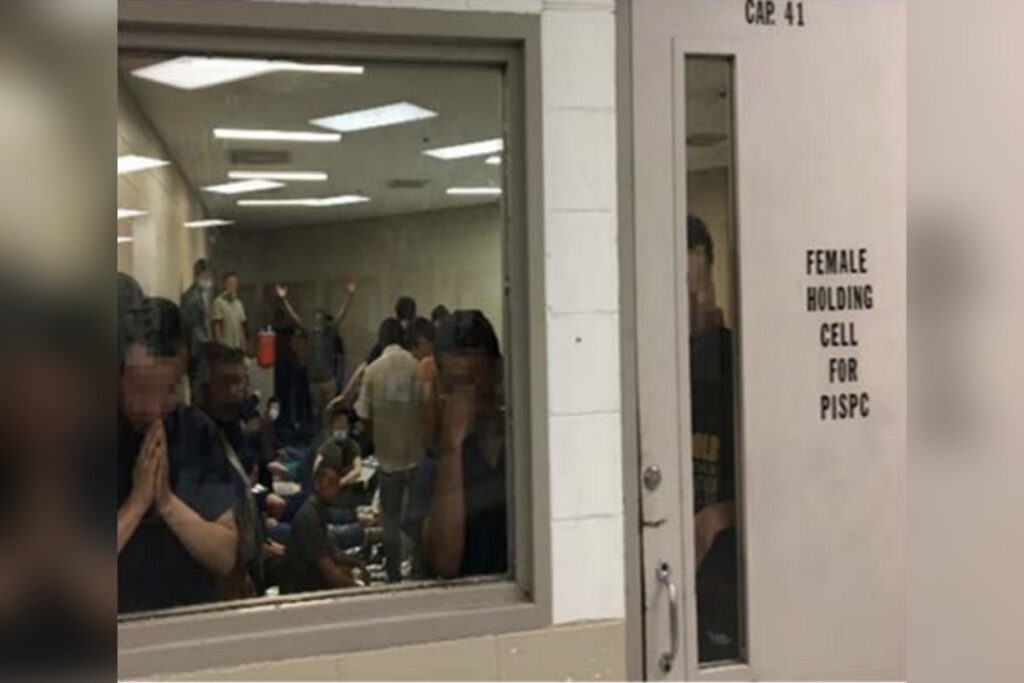
The detainees are Vietnamese, Laotian, Yemeni, Cuban, Ethiopian, Congolese and Jamaican, and the one thing they share is a previous conviction in a US court. Lawyer Sibusiso Nhlabatsi, turned away from the prison five times before the courts let him in, described what he found: “They had been transported like a bag of potatoes”, and “They’ve been thrown in prison, despite the fact that they have never committed a crime in Eswatini.” Most, he said, had served their time and rebuilt lives in America, many carrying rehabilitation certificates. One of them, Dung Nguyen of Vietnam, told the reporters, “I had never heard of Eswatini”, and recalled being pressed to sign papers he did not understand: “whether we sign the papers or not, we’re still going to get left here.”
The wider picture is one of leverage. King Mswati III has ruled since 1986 in Africa’s last absolute monarchy, and the deal was struck as the second Trump administration dismantled USAID programmes that financed more than half the kingdom’s AIDS budget. The opposition PUDEMO movement’s organising secretary, Siboniso Mkhabela, calls it “an evil deal”. Government spokesperson Thabile Mdluli answered that “The Nation is assured that these inmates pose no threat to the country or its citizens”, and the justice minister insisted the men are not prisoners but “guests of the king”.
What is at stake now is the money and the count. Opposition figure Mzwandile Masuku asks where the $5 million has gone, noting the finance minister has said he has not seen the funds; the prime minister says there was no compensation at all, only an arrangement to improve relations, while the finance ministry says the money sits in a National Disaster Management Agency account. Only five deportees have returned to their home countries so far. The rest wait in Matsapha, their futures no longer decided by the US justice system but by the goodwill of a monarchy most of them could not have placed on a map.




