
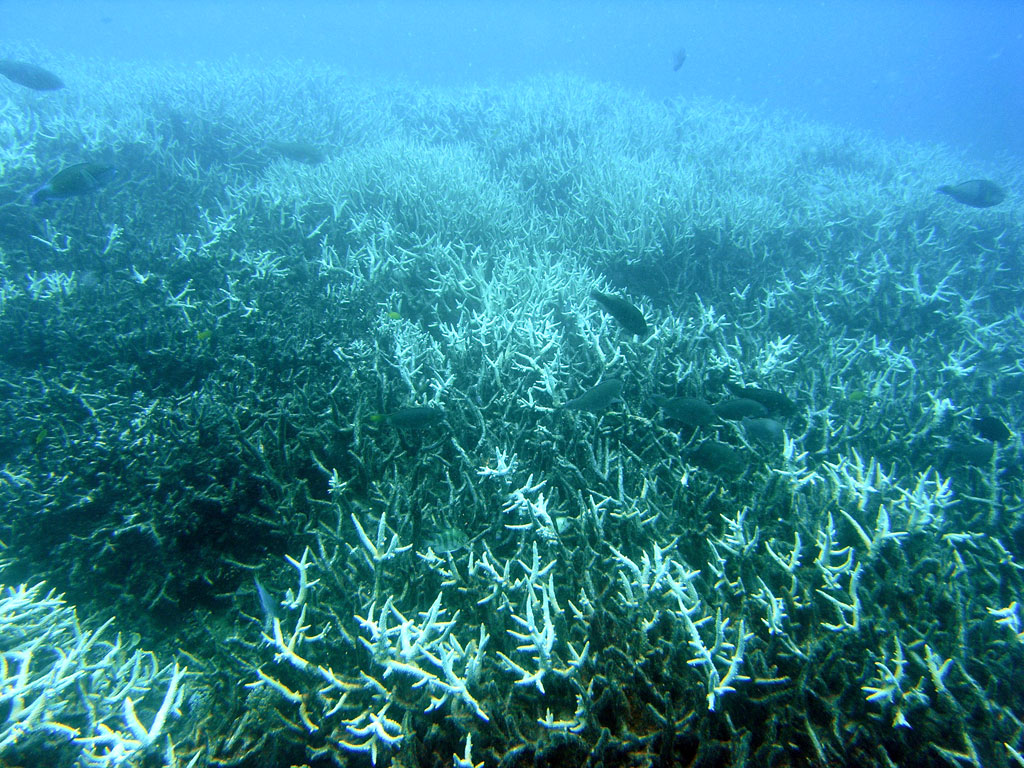
The International Coral Reef Initiative (ICRI) has disclosed that more than 84 % of the world’s coral reefs have experienced bleaching since 2023, making it the most extensive event of its kind on record. The magnitude of the disturbance has reverberated through the scientific community, prompting urgent calls for coordinated action.
Dr. Maria Rodriguez, a prominent coral‑reef researcher, described the phenomenon as “unprecedented” and warned that mitigating its effects will demand a concerted, global effort. As the sole worldwide partnership devoted exclusively to coral‑reef conservation, ICRI is positioned to spearhead the response by fostering the exchange of best‑practice management strategies and strengthening the capabilities of reef managers worldwide.
ICRI Chair Dr. John Taylor stressed that “only through collective action can we hope to preserve the world’s coral reefs for future generations.” The partnership’s work aligns with internationally endorsed goals, notably Chapter 17 of Agenda 21 and Aichi Target 10 of the Convention on Biological Diversity’s ten‑year Strategic Plan. By raising awareness and ensuring reef issues feature in global policy discussions, ICRI seeks to unite governments, intergovernmental bodies and NGOs under a common conservation framework.
Collaboration under the ICRI umbrella has already produced tangible benefits. Nations and organizations are sharing expertise and resources, facilitating a network that supports both research and on‑the‑ground protection measures. Dr. Rodriguez highlighted the partnership’s role in “facilitating the exchange of ideas and expertise among coral reef researchers and managers,” expressing optimism that this synergy will generate effective solutions to the ongoing bleaching crisis.
Despite the severity of the current event, emerging technologies provide reasons for cautious optimism. Remote‑sensing tools, including satellite imaging, are increasingly used to monitor reef health and detect changes over time.
Parallel advances in restoration techniques—such as coral nurseries and reef reconstruction projects—are expanding the toolkit available to conservationists. Dr. Taylor praised the rapid pace of innovation, noting that “the pace of innovation in coral reef conservation is accelerating, and we are confident that these advances will help us to better understand and address the challenges facing coral reefs.” He added that sustained investment from governments, international agencies and civil society will be essential to translate these technological gains into long‑term resilience. The ICRI’s strategy underscores the need for enduring financial and political commitment.
Ongoing support will enable the continued development of novel approaches while reinforcing existing management capacities. Dr. Rodriguez concluded that “with perseverance and cooperation, we can make a meaningful difference in the health and resilience of the world’s coral reefs.” Looking ahead, the partnership’s emphasis on integrated research, cutting‑edge technology and multilateral cooperation offers a hopeful pathway for reef preservation.
As Dr. Taylor reiterated, “the future of coral reefs is in our hands, and it is up to us to take action to protect these incredible ecosystems.”




