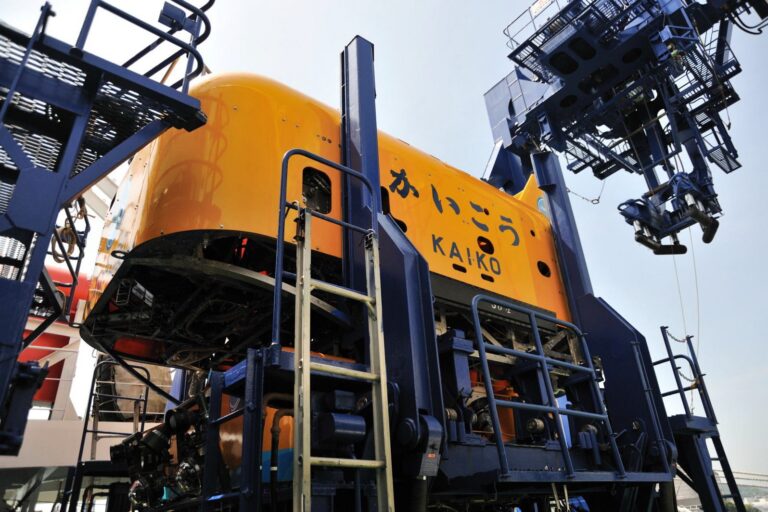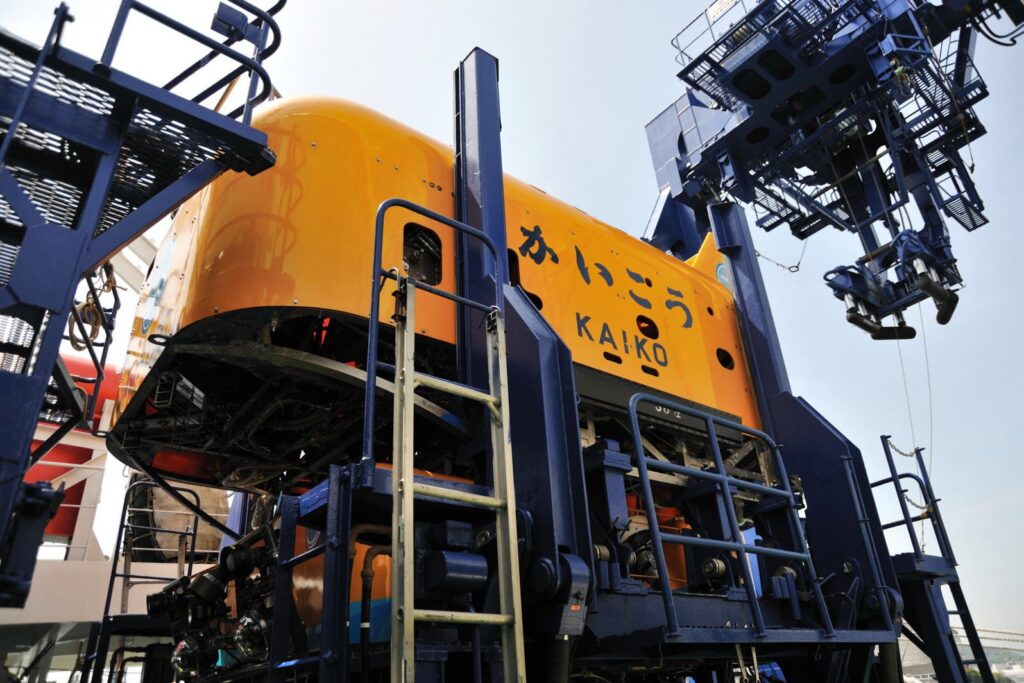
Deep-sea miners target metal-rich rocks for cobalt and nickel, but scientists have discovered these nodules are home to thousands of tiny, unique animals. Industrial extraction now threatens these undiscovered ecosystems.
Valuable Rocks, Unseen Tenants
Deep sea mining is the extraction of minerals from the seabed at depths of 4–6 km primarily on the abyssal plain. The main ores of commercial interest are polymetallic nodules, dark, roughly fist-sized formations made largely of iron and manganese oxides. These nodules grow at an extraordinarily slow pace, adding only a few millimeters over a million years. The Clarion–Clipperton zone (CCZ), a vast region of the central Pacific, contains over 21 billion metric tons of these nodules, with minerals like copper, nickel, cobalt and manganese making up roughly 30% of their weight.
Researchers from the University of Bremen’s MARUM centre and the Royal Netherlands Institute for Sea Research examined 244 nodules from the CCZ and found more than 4,100 animals living in their cracks and cavities. Creatures smaller than a millimeter inhabit these spaces, with an average of 17 animals per nodule and one specimen sheltering an astonishing 245 individuals.
A Hub of Unique Biodiversity
The crevices in polymetallic nodules function as small shelters and provide a home to animals not encountered in the soft sediment of the seafloor. Although the deep ocean floor is often dominated by soft mud, these nodules create hard surfaces and internal habitats that support distinct communities of microscopic life. Dr. Tanja Stratmann, a deep-sea ecologist and one of the study’s lead authors, notes: “In our study we show that the sizes of cracks inside the nodules are large enough to provide home to animals that are smaller than a millimeter in size”.
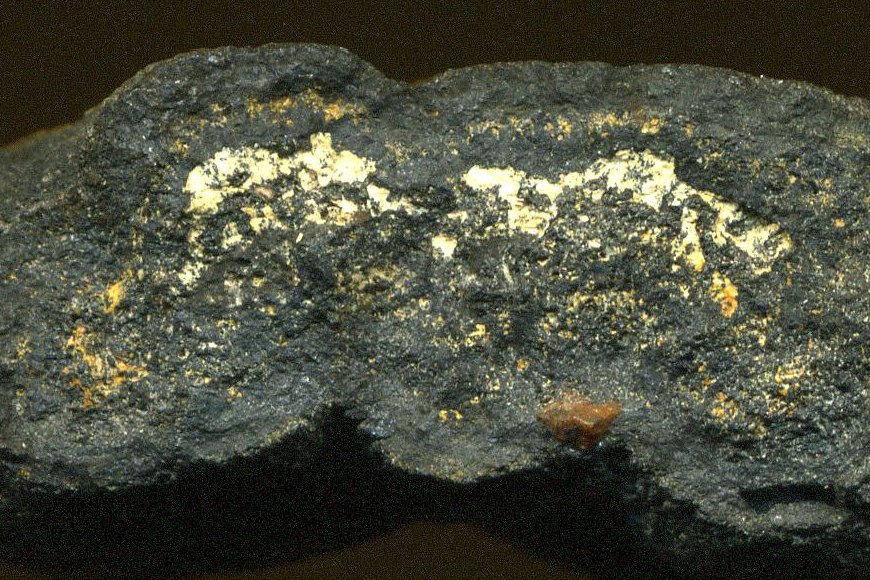
This biological richness is concentrated in the nodules themselves. The surrounding abyssal plain has a lower density of fauna compared to the animal communities thriving within the rock formations. The nodules, which can remain on the seafloor for millions of years, have become stable ecosystems for these miniature creatures.
The Threat of Industrial Extraction
Commercial mining could cause the irreversible loss of unique, undescribed biodiversity. The methods proposed for harvesting these nodules pose a direct threat. Midwater mining techniques that create sediment plumes can trigger bottom-up ecosystem impacts with severe consequences to marine life, extending beyond the initial mining area. The physical removal of the nodules would instantly destroy the habitats of the thousands of animals living inside them.
The push to begin mining is advancing. The International Seabed Authority (ISA) regulates mineral-related activities in international waters and has granted 31 exploration licenses so far. In a move to bypass the ISA, the US subsidiary of the Metals Company has applied for an exploration licence and commercial recovery permit, a route supported by the Trump administration. The company expects a permit before the end of the first quarter of 2027.
Regulatory Uncertainty and Legal Challenges
The regulatory landscape is fractured and contested. The ISA has been slow to establish rules for commercial recovery, delaying them again in July 2024. Governments are divided on the issue; Norway has ruled out Arctic licences until at least the end of 2029, while forty-five countries have called for a moratorium or precautionary pause. In the United States, the Trump administration signed an Executive Order in April 2025 instructing the National Oceanic and Atmospheric Administration to expedite permits for deep-sea mining.
This push has faced immediate legal challenges. A federal court in Hawaiʻi ruled on November 17, 2026, that the Trump administration violated the Endangered Species Act when it approved a deep-sea mining lease sale off the coast of American Samoa. The court found the National Marine Fisheries Service failed to evaluate the effects of post-leasing mineral exploration and mining, invalidating its consultation. The lease sale was scheduled for Thursday, November 19.
Scientists stress that any protected areas established to mitigate mining impacts must account for this microscopic life. Professor Sabine Gollner, part of the international research team, has said commercial mining could cause irreversible loss of unique, undescribed biodiversity. The full extent of the potential global extinctions remains unclear, as the lead author, Dr. Tanja Stratmann, is currently on a new expedition to the zone to find out.
Sources
- Deep sea mining
- Court Rules Trump Administration Violated Law in Greenlighting American Samoa Deep-Sea Mining Lease Sale
- Hidden ecosystem: Scientists discover 245 animals living inside a single deep-sea rock
- Tiny animals found living inside deep-sea nodules eyed for mining
- First Deep-Sea Mining Lease Sale Succumbs to Legal Challenge (1)
- Space Mining Technology Readiness: Where Each Subsystem Stands
Photo: nattou (Public domain)