AVARUA, November 21, 2026 — The Cook Islands has moved to codify its approach to deep-sea mining, positioning its vast ocean territory as a regulatory benchmark for the Pacific region. As external powers accelerate extraction timelines, the nation’s early legislative framework shapes how neighbors in the South Pacific negotiate sovereignty against commercial demand.
A Regulatory First Mover
The Cook Islands established national law governing deep-sea mining activities in its waters before Tuvalu, Fiji, and Tonga, according to CSIS analysis. This legislative action places the nation at the forefront of a regional debate that has shifted from theoretical concern to operational planning. Tuvalu recently became the fourth Pacific nation to establish similar legislation, joining the Cook Islands, Fiji, and Tonga in a bloc of early adopters.
The economic stakes are defined by the sheer scale of the territory involved. The Cook Islands Exclusive Economic Zone covers 1,960,027 square kilometres (756,771 sq mi) of ocean. For a country with a total land area of approximately 236.7 square kilometres, this maritime domain represents a resource base that dwarfs its physical footprint. The nation has been considering the prospect of deep-sea mining for decades, developing governance structures that CSIS describes as far ahead of most of the world.
Officials noted that the legislation aims to balance public sentiment with economic opportunity. The goal is to ensure that any future extraction protects national sovereignty while securing tangible economic benefits for the state. By setting the rules before major commercial operations begin, the Cook Islands seeks to dictate the terms of engagement with international mining firms.
Geopolitical Leverage in a Mineral Race
The timing of this regulatory push coincides with an intensified global race for critical minerals. China, the United States, and Japan are actively pursuing mining exploration in both national and international waters. The Cook Islands has been courted by both China and the United States to partner on mining projects, a dynamic that reflects the strategic value of its seabed deposits.
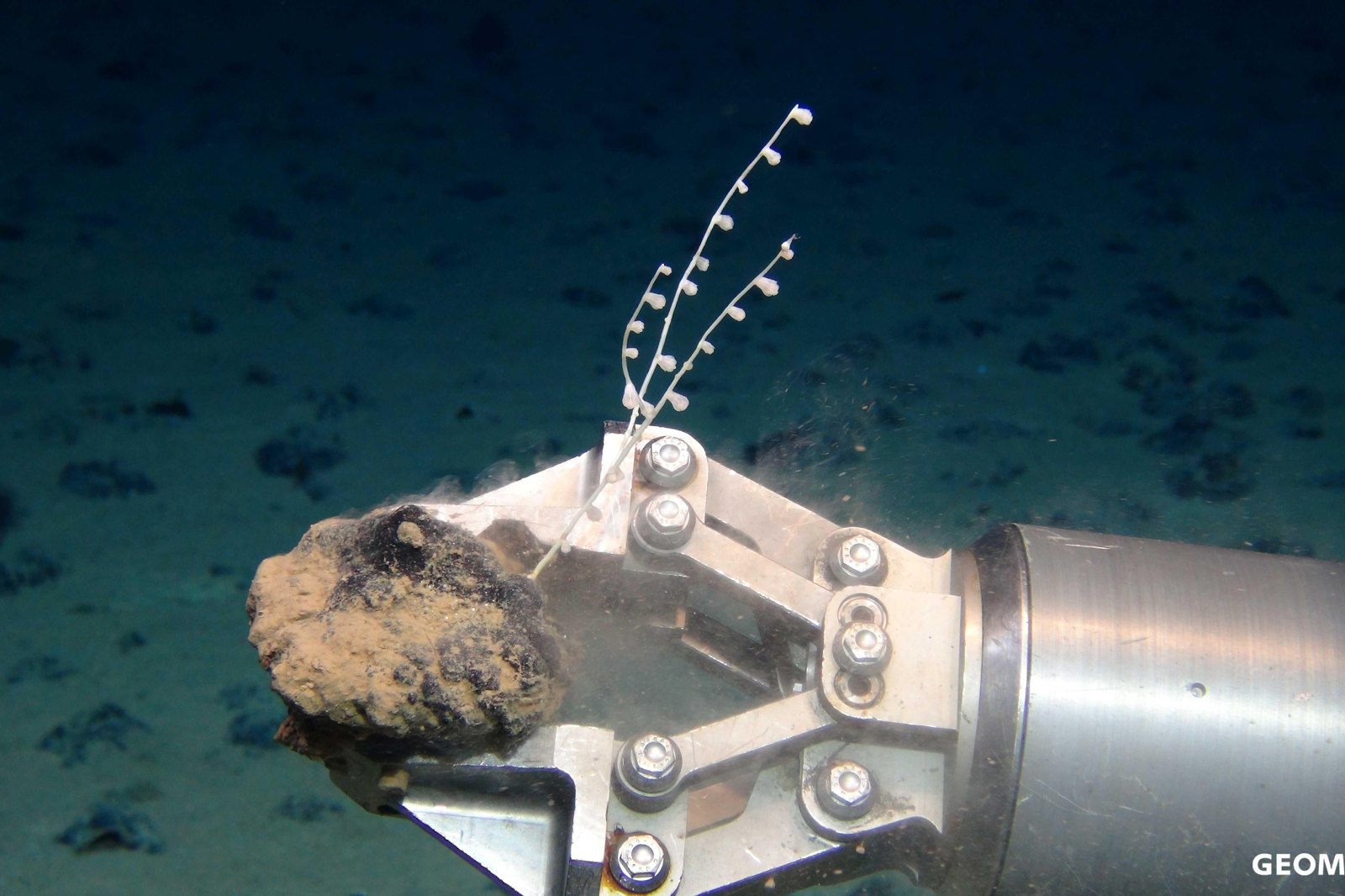
In the United States, President Donald Trump’s 2025 executive order directed the federal government to unleash America’s critical minerals and resources. Following this directive, the U.S. recently announced it would open bidding for companies to mine in some of its territorial waters in the Pacific. Analysts predict that commercial mining in these U.S. waters could begin as early as 2027. This timeline creates a competitive pressure on Pacific Island nations to finalize their own frameworks before external operators establish footholds in the region.
The Cook Islands conducts its own independent foreign and defence policy, a status it has maintained since the early 21st century. This autonomy, combined with its free association with New Zealand, allows the nation to negotiate directly with major powers. The country’s position is not merely defensive; it is a strategic asset that allows it to leverage its maritime estate in international trade and diplomatic negotiations.
Forum Leadership and Regional Norms
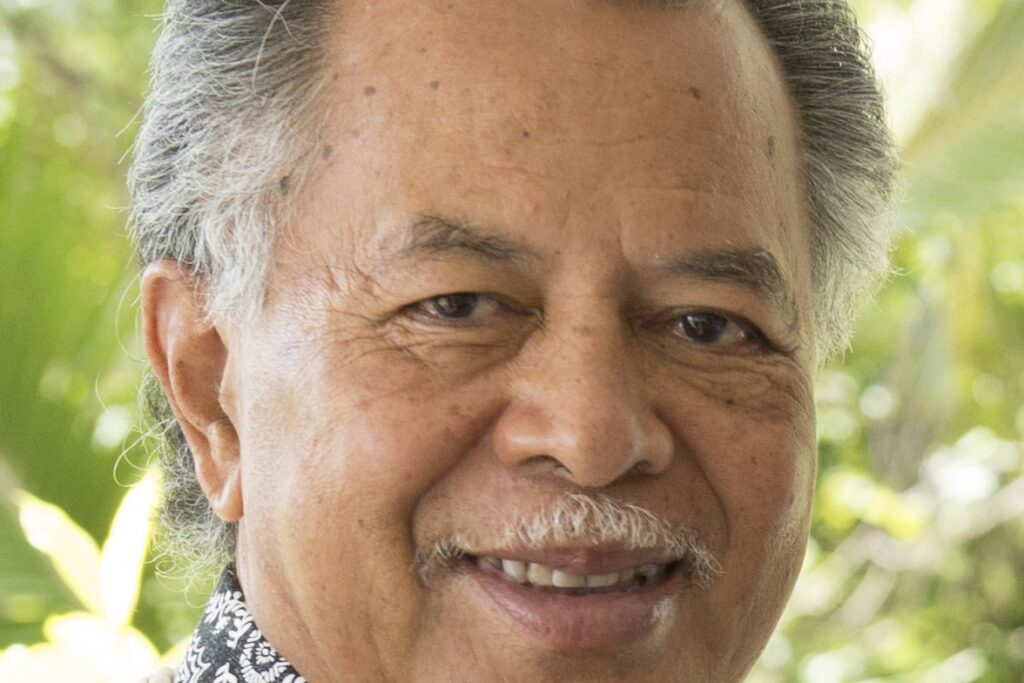
The influence of the Cook Islands extends beyond its own borders through its leadership in the Pacific Islands Forum. Henry Puna, a Cook Islander, served as Secretary General of the Forum from 2021 to 2024. During his tenure and in the years surrounding it, the Cook Islands helped shape regional ocean governance norms.
While the Cook Islands moves toward regulation, a significant portion of the Pacific community opposes extraction entirely. Palau and several other countries have proposed a United Nations resolution calling for a full moratorium on deep-sea mining. This creates a sharp divide within the region: one side seeks to regulate and manage extraction for economic gain, while the other argues that the environmental risks are too high and calls for a complete halt.
The Cook Islands’ approach offers a middle path that other nations are watching closely. By establishing clear legal boundaries and governance structures, the nation provides a model for how small island states can retain control over their resources. CSIS analysts suggest that what the Cook Islands does, and how it manages the competing interests of external partners, will matter for how other countries decide to pursue their own strategies.
Environmental Context and Local Realities
The debate over seabed mining occurs against a backdrop of increasing climate volatility in the region. In November 2026, Severe Tropical Cyclone Xavier struck the Northern Cook Islands, reaching Category 5 intensity with sustained winds of about 137 mph (220 kilometers per hour). The storm caused damage to homes and power disruptions, highlighting the vulnerability of the islands’ infrastructure.
On Manihiki, an atoll in the Northern Cook Islands, residents faced the cyclone with an electricity system that had been out of service for over a year. Households relied on limited solar power and private generators, a condition that complicated emergency response and daily life. The event underscores the tension between the potential economic benefits of deep-sea mining and the immediate need for climate resilience and infrastructure stability.
For the Cook Islands, the regulatory framework for deep-sea mining is not just an economic policy; it is a tool for maintaining agency in a changing climate and a shifting geopolitical landscape. The nation’s vast EEZ, its early legislative action, and its diplomatic experience position it as a key player in determining the future of the Pacific’s deep-sea resources.
The next phase of this regional negotiation will likely be shaped by the outcomes of the U.S. bidding process and the status of the UN moratorium proposal. With commercial mining potentially beginning in U.S. waters by 2027, the window for Pacific nations to set their own standards is narrowing but not yet closed.
Sources
- The Cook Islands and the Future of Seabed Mining in the Pacific
- Cook Islands
- Cyclone Xavier Hits Northern Cook Islands at Category 2
- The Stormy Southwest Pacific – NASA Science
- Cook Islands residents face Category 5 cyclone after more than a year without grid power
- Aussie, 45, dies during turtle experience on popular tourist island
Photo: US Embassy NZ (Public domain)