BANGKOK, November 22, 2026 — Thailand is preparing to halt exports of chemicals used in rare-earth mining to Myanmar, Deputy Prime Minister Yodchanan Wongsawat announced recently. The move aims to leverage every possible avenue to target rare-earth element production bound for Myanmar and other relevant countries, officials noted.
Environmental Rationale
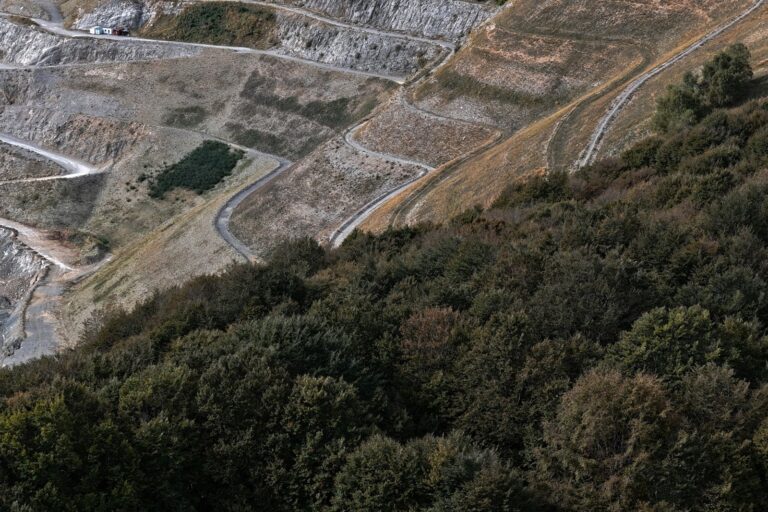
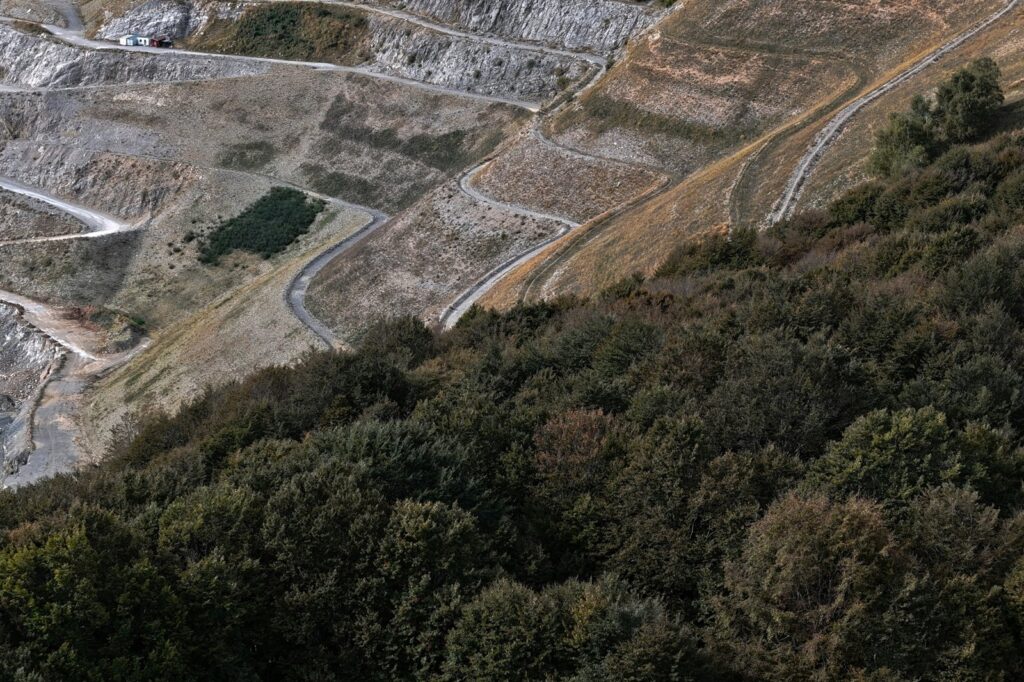
Rampant mining of rare earths in Myanmar has been linked to the contamination of rivers in northern Thailand, the government said. To tackle toxic contamination, Thailand plans to designate the Thai side of the Kok River a pollution control zone. The Kok, along with the Sai, Ruak and Mekong rivers, has been the focus of mounting cross-border pollution concerns.
Supply-Chain Consequences
The export ban directly targets the chemical inputs required for Myanmar’s rare-earth extraction operations. By cutting off these supplies, Thailand seeks to disrupt production destined for Myanmar and other relevant countries, though Wongsawat did not elaborate on which countries fall under that designation, according to Reuters. Rare earths are critical inputs for high-tech manufacturing and the energy transition, making the supply-chain ripple effects a focus for global markets.
Regional Market Reactions
Thailand, China, and Myanmar plan to hold talks on the issue between November 24 and 26. China is the dominant buyer of Myanmar’s rare-earth output, and any disruption to feedstock availability could shift spot pricing and processing schedules in southern China’s separation plants.
Public Health Context
Thailand’s Ministry of Public Health said it had found no diagnosed cases of acute or chronic arsenic poisoning among at-risk communities along the four northern rivers, data shows. The ministry’s latest monitoring did not detect urinary arsenic levels reaching the highest-risk threshold of 500 micrograms per litre, Dr. Somruek Jungsaman, permanent secretary for public health, said.
However, the ministry warned residents that boiling contaminated water does not remove arsenic and may increase its concentration as water evaporates, Dr. Thiti Sawaengtham, director-general of the Department of Health, said. The department outlined a four-level Arsenic Health Risk Scale: Green at 10 micrograms per litre or less; Yellow above 10 but below 100; Orange from 100 to below 500; and Red at 500 or higher, at which point all water use should be avoided. The ministry has instructed local health agencies to continue monitoring at-risk populations for at least five years alongside regular checks of water and food quality.
Sources
- Thailand makes prepares to stop exporting rare earth mining chemicals to Myanmar
- Thailand
- This Company Wants to Import New Tiny Toyota Trucks from Thailand
- ECP Introduces New Global Course in Bangkok, Thailand
- Thailand reports no diagnosed arsenic poisoning cases, warns boiling water is unsafe
- Thailand signs new plant health protocol for China-bound fresh durian
Photo: Cosmin Andrei Buzamat / Unsplash (Unsplash License)