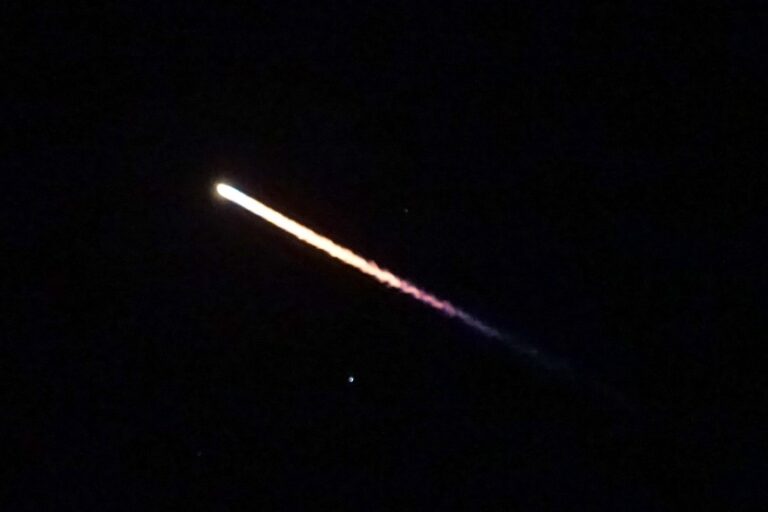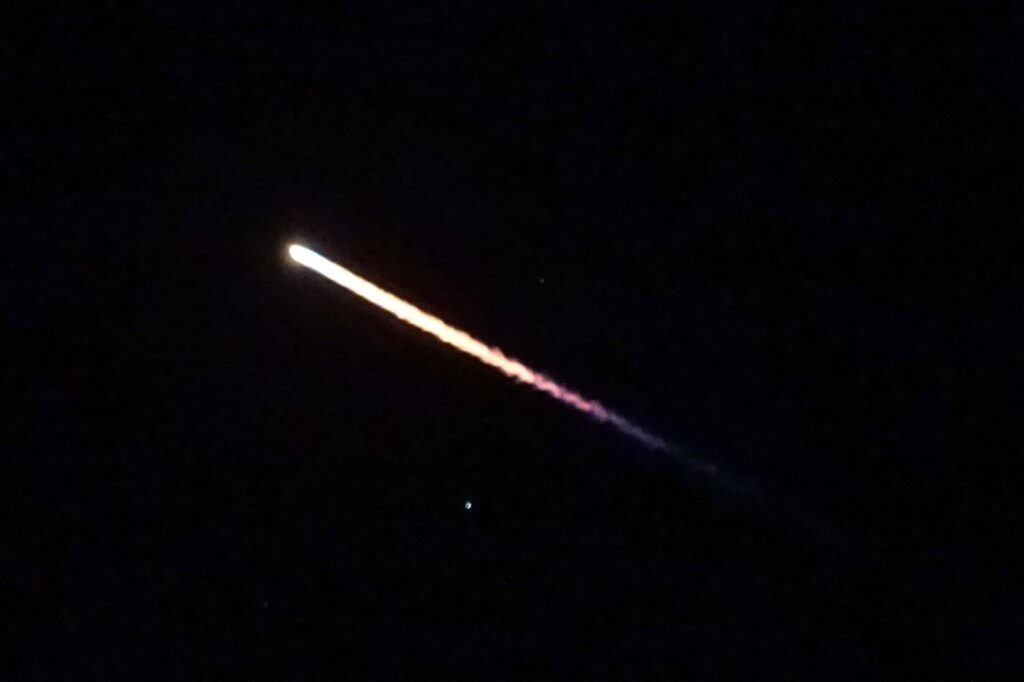
VANDENBERG SPACE FORCE BASE, November 22, 2026 — A Falcon 9 rocket lifted off from Launch Complex-4E at 7:23 a.m. ET, carrying the NROL-136 mission for the National Reconnaissance Office. The launch marks the sixth NRO flight this year, all flown on Falcon 9 rockets, and the 15th dedicated to building the agency’s proliferated architecture constellation.
How the Flight Played Out
The first-stage booster, designated B1097, separated roughly two minutes after liftoff. It reversed course and touched down at Landing Zone 4 about seven and a half minutes after launch, completing its 14th flight. The booster’s resume already included NASA’s Sentinel-6B ocean-monitoring satellite, the NROL-172 and USSF-259 missions, and eight Starlink launches.
The Science Behind the Constellation
Intriguingly, the NRO began deploying this proliferated architecture in May 2024 with NROL-146. The most recent mission before this one, NROL-179, flew on June 19, 2026. The satellites are developed in partnership with SpaceX and Northrop Grumman. The network is designed to increase coverage and improve the capability and resilience of U.S. intelligence operations in space, providing more frequent and timely surveillance of locations around the globe.
What Researchers Found About the Payload
As with any classified mission, the agency has not disclosed the exact number of satellites aboard NROL-136 or details about their onboard technologies. The NRO’s proliferated constellation is reported to have hundreds of satellites in orbit, according to the agency’s own statements on earlier launches.
Sources
- SpaceX sends classified US spy satellites to orbit in early-morning launch from California (video)
- SpaceX launches classified mission for US Space Force from California (video)
- SpaceX launches classified mission for US Space Force from California (video)
- SpaceX Classified Launch Extends Series Where Space Force Logged 23 Satellites Per Flight
Photo: Doc Searls (CC BY 2.0)