
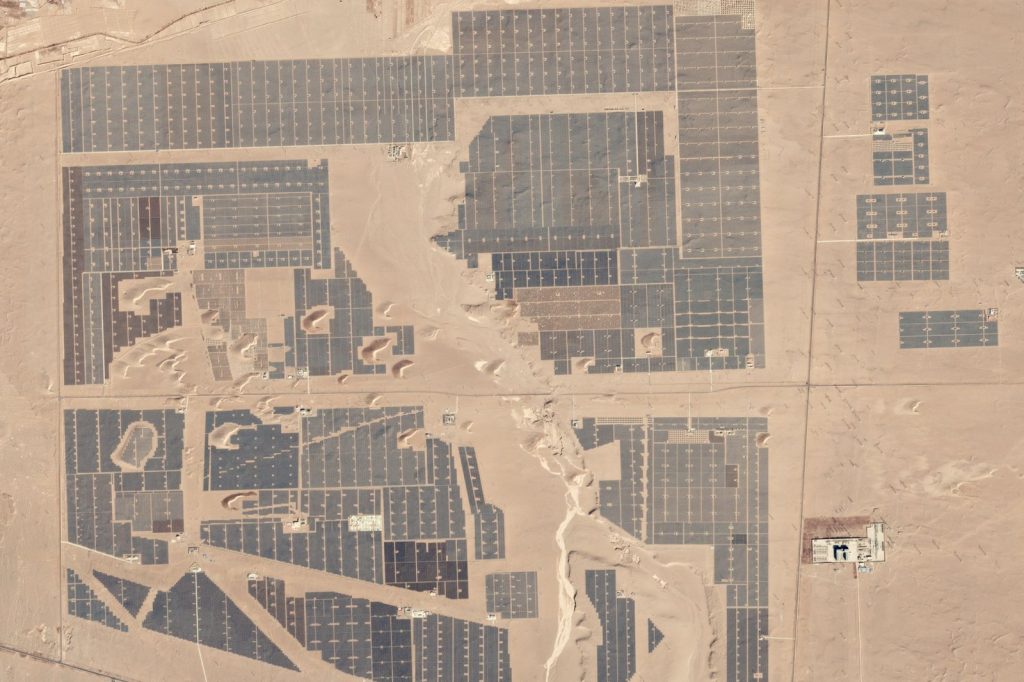
In May 2025, China’s photovoltaic (PV) installations crossed the one‑terawatt mark, reaching 1,000 gigawatts (GW) of capacity. The milestone confirms the nation’s status as the world’s biggest market for both PV and solar‑thermal power and underscores its long‑term commitment to renewable energy.
The surge continued throughout 2024, when China added 277 GW of solar capacity – a share that represented roughly 15 % of the total global cumulative installed solar capacity for that year. Such a contribution highlights the country’s pivotal role in the worldwide shift toward cleaner power sources. China’s journey in solar technology began with the production of panels for satellite applications. By the late 1990s, domestic manufacturers started shifting focus to the consumer market.
A decisive policy shift arrived in 2011, when the government introduced substantial incentives for solar development. The support triggered rapid expansion, and by 2013 China had become the world’s leading installer of PV systems.
Further milestones followed: in 2015 China overtook Germany to become the largest producer of photovoltaic electricity, and in 2017 it was the first nation to exceed 100 GW of installed PV capacity. These achievements illustrate the speed of China’s progress and its determination to lessen dependence on fossil fuels. Industry leadership now rests firmly with Chinese firms.
As of 2024, companies based in China dominate most segments of the solar supply chain, from polysilicon and silicon wafers to batteries and finished photovoltaic modules. This breadth of control reflects strategic investment, robust R&D, and an emphasis on scaling production efficiently.
By June 2025, the country’s PV capacity had risen beyond 1,100 GW, allowing China to account for roughly one‑third of all solar panels installed worldwide. The scale of this market gives Chinese policy decisions and capital flows a disproportionate influence on the global renewable‑energy transition. Looking ahead, the focus will be on how China sustains its growth trajectory.
Continued investment in emerging technologies, cost‑reduction measures, and efficiency gains will be essential for meeting its renewable‑energy targets and curbing carbon emissions. The nation’s ability to drive down prices while improving performance could set the tone for worldwide solar adoption.
As the international energy mix evolves, China’s leadership in the solar sector is poised to shape the broader climate agenda. Its expansive market, integrated supply chain, and ongoing policy support position the country as a key player in the effort to mitigate climate change and secure a low‑carbon future.




