
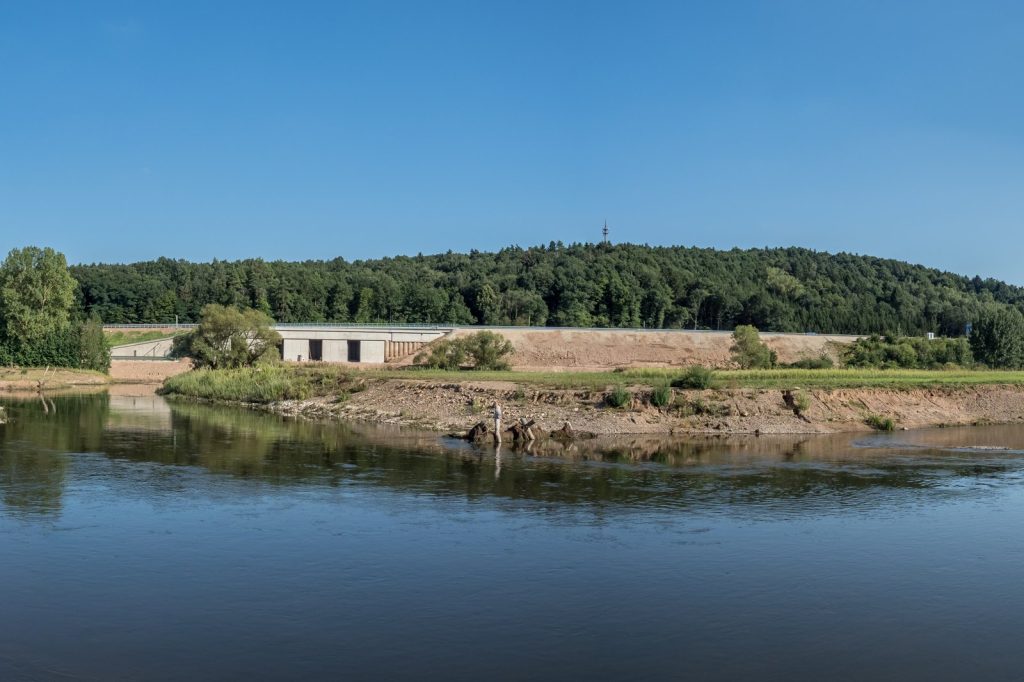
Overview of the New Regulation
The European Union has moved forward with a binding measure designed to revive the continent’s deteriorating natural habitats. Known as the Nature Restoration Law, the rule forms a central pillar of the European Green Deal and the EU Biodiversity Strategy, turning previously voluntary ambitions into legal obligations for member states.
Legislative Timeline
The initiative was first put forward by the European Commission on 22 June 2022. After extensive deliberation, the Council of the European Union adopted the text on 17 June 2024. The regulation appeared in the EU’s Official Journal on 29 July 2024 and entered into force on 18 August 2024.
Why Action Is Needed
Current assessments show that more than 80 % of Europe’s habitats are in poor condition, signalling a pressing need for intervention. The law seeks to safeguard ecosystem services, curb climate change, bolster resilience against natural disasters, and lessen threats to food security. By repairing damaged environments, it also aims to protect biodiversity and guarantee the long‑term vitality of Europe’s natural spaces.
Core Objectives
The regulation sets out several intertwined goals: maintain the functioning of essential ecosystem services, contribute to climate mitigation, increase adaptive capacity, reduce disaster risk, and support food production stability. Achieving these outcomes rests on restoring habitats to a good ecological state.
National Planning Requirements
Each member state must produce a national restoration plan by 2026. These plans will detail how the country intends to rehabilitate habitats that are presently degraded, ensuring a coordinated approach across the Union.
Binding Restoration Targets
To translate ambition into measurable progress, the law establishes clear, time‑bound targets for habitat recovery. Member states are required to restore at least 30 % of habitats in poor condition by 2030, raise that share to 60 % by 2040, and reach 90 % by 2050. These milestones provide a roadmap for steady improvement and accountability.
Implementation and Oversight
The European Commission will monitor compliance, offer guidance, and assist countries as they develop and execute their restoration strategies. Success will depend on the comprehensiveness and effectiveness of the national plans, as well as sustained political will and funding.
Looking Ahead
As the regulation moves from adoption to application, attention will focus on whether member states meet the interim goals and ultimately achieve the near‑total restoration envisioned for mid‑century. The Nature Restoration Law stands as a key instrument for the EU’s pursuit of a sustainable, environmentally resilient future.
Now count words. Let’s approximate.
I’ll count quickly.
Overview paragraph: “The European Union has moved forward with a binding measure designed to revive the continent’s deteriorating natural habitats. Known as the Nature Restoration Law, the rule forms a central pillar of the European Green Deal and the EU Biodiversity Strategy, turning previously voluntary ambitions into legal obligations for member states.” Words: The(1) European2 Union3 has4 moved5 forward6 with7 a8 binding9 measure10 designed11 to12 revive13 the14 continent’s15 deteriorating16 natural17 habitats.18 Known19 as20 the21 Nature22 Restoration23 Law,24 the25 rule26 forms27 a28 central29 pillar30 of31 the32 European33 Green34 Deal35 and36 the37 EU38 Biodiversity39 Strategy,40 turning41 previously42 voluntary43 ambitions44 into45 legal46 obligations47 for48 member49 states50. => 50 words.
Legislative Timeline paragraph: “The initiative was first put forward by the European Commission on 22 June 2022. After extensive deliberation, the Council of the European Union adopted the text on 17 June 2024. The regulation appeared in the EU’s Official Journal on 29 July 2024 and entered into force on 18 August 2024.” Count: The1 initiative2 was3 first4 put5 forward6 by7 the8 European9 Commission10 on11 22 June 2022.12 After13 extensive14 deliberation,15 the16 Council17 of18 the19 European20 Union21 adopted22 the23 text24 on25 17 June 2024.26 The27 regulation28 appeared29 in30 the31 EU’s32 Official33 Journal34 on35 29 July 202436 and37 entered38 into39 force40 on41 18 August 2024. => 41 words.
Why Action Is Needed paragraph: “Current assessments show that more than 80 % of Europe’s habitats are in poor condition, signalling a pressing need for intervention. The law seeks to safeguard ecosystem services, curb climate change, bolster resilience against natural disasters, and lessen threats to food security. By repairing damaged environments, it also aims to protect biodiversity and guarantee the long‑term vitality of Europe’s natural spaces.” Count: Current1 assessments2 show3 that4 more5 than6 80 %7 of8 Europe’s9 habitats10 are11 in12 poor13 condition,14 signalling15 a16 pressing17 need18 for19 intervention.20 The21 law22 seeks23 to24 safeguard25 ecosystem26 services,27 curb28 climate29 change,30 bolster




