
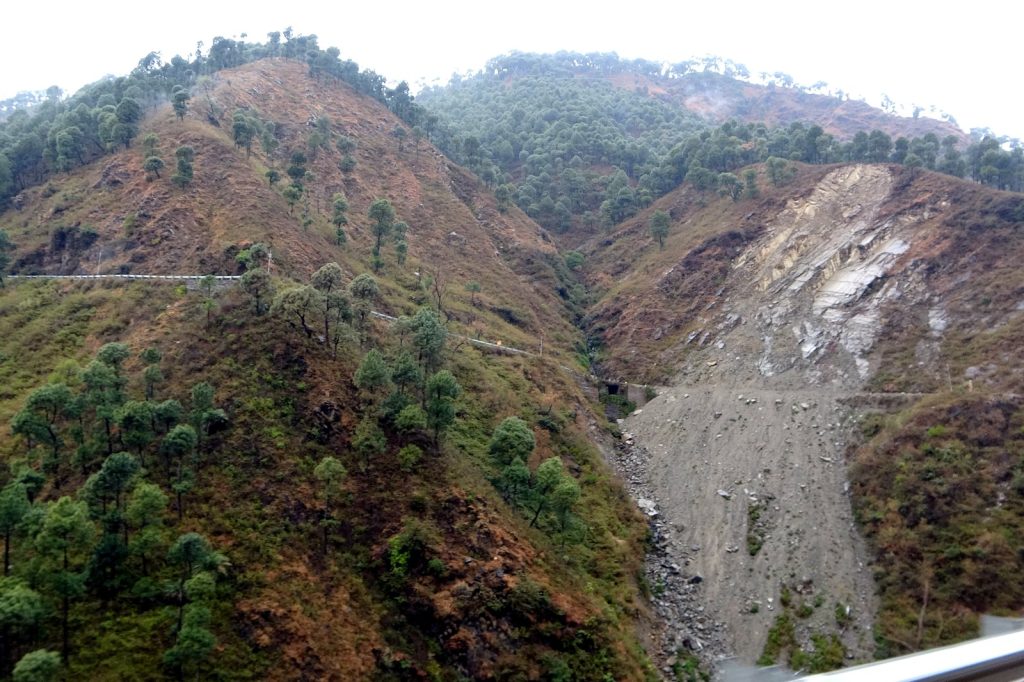
Heavy monsoon downpours have unleashed a wave of landslides in the border regions of Bangladesh and India, leaving at least 15 people dead and numerous others injured. The sudden ground failures have forced the displacement of millions, underscoring the acute vulnerability of the sub‑continent to extreme weather events.
Bangladesh’s topography makes it especially prone to such disasters. The nation’s low‑lying landscape, criss‑crossed by an extensive network of rivers and streams, creates conditions where intense rainfall quickly translates into flooding and slope collapse. With a population hovering near 176 million, the country ranks as the world’s eighth‑most populous, and a large share of its residents depend directly on natural resources for their livelihoods.
In the capital, Dhaka, the contrast between rapid economic growth and environmental risk is stark. Affluent districts such as Gulshan highlight the city’s role as a political, financial and cultural hub, yet the surrounding regions remain exposed to the hazards of heavy rain.
The recent landslides have shattered homes, cut off access to food, shelter and medical care, and placed a massive strain on relief operations. India faces a parallel crisis. The monsoon‑driven slides have compounded existing challenges in flood‑prone states, pushing local authorities to stretch emergency services thin.
Both governments are now tasked with delivering immediate assistance to displaced families while grappling with the longer‑term need for disaster‑ready infrastructure. The scale of displacement has drawn attention from the international community, which is being urged to back sustainable development initiatives that can diminish future risk.
Experts point to renewable energy—particularly solar and wind—as a pathway to greater energy security, lower costs and reduced reliance on fossil fuels. Investment in clean power is presented as a dual benefit: fostering job creation and economic growth while curbing the environmental footprint of energy production. Regional cooperation emerges as a critical component of any lasting solution.
The shared river basins and the narrow Siliguri Corridor, which separates Bangladesh from Bhutan and Nepal, host diverse wildlife and support local economies. Joint conservation and disaster‑management strategies between Bangladesh and India could enhance resilience, protect habitats and sustain the livelihoods of border communities.
As reconstruction efforts commence, officials stress the importance of integrating disaster preparedness into development plans. Prioritising environmental stewardship—through reforestation, sustainable land use and renewable‑energy projects—could help mitigate the impact of future monsoon events. While the immediate priority remains the provision of food, shelter and medical aid to those uprooted, the broader lesson highlighted by the landslides is clear: economic advancement must be balanced with ecological responsibility. The scale of loss and displacement serves as a stark reminder that without coordinated action, the region’s growing population will continue to face heightened exposure to climate‑driven hazards.




