
On May 15 a passenger bus and a cargo truck collided on a highway in Yemen’s Hadramout governorate. The impact left nineteen people injured and six people dead.
Local officials have not disclosed the names or ages of those involved, confirming only the toll of six fatalities and nineteen wounded. The injured were taken to hospitals across Hadramout, where they now face an uncertain recovery. Medical supplies are frequently scarce, and ambulances often lack the fuel needed to reach patients quickly. The region’s roads are in poor condition; rugged terrain wears away the asphalt, and years of conflict have drained the budget for maintenance and repairs.
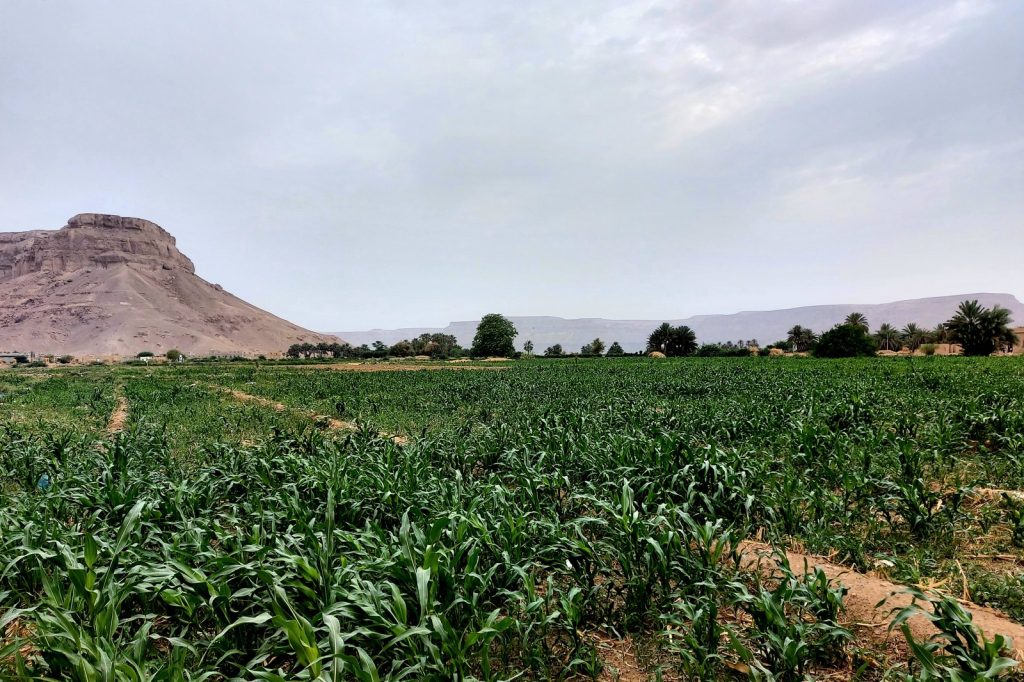
Hadramout stretches across southeastern Yemen, a vast, dry area where a single highway frequently serves as the only connection between towns. When that route becomes dangerous, alternatives are virtually nonexistent.
Authorities have not released further details about the crash, such as the exact time or the specific stretch of road where it occurred. Health services in Yemen have been severely weakened by prolonged fighting. Hospitals operate with limited resources, doctors often work without pay, and medicines disappear from shelves.
For the nineteen survivors, chances of survival depend on whatever supplies happen to be available at the moment they arrive for treatment. The cargo truck was transporting goods, while the bus carried passengers.
They met on a road that, under better circumstances, ought to have been safe. This type of incident is not isolated in Hadramout; the governorate has experienced similar bus‑truck collisions before, with comparable outcomes. Several factors contribute to the repeated pattern.
Investment in road infrastructure has been minimal, traffic regulations exist mainly on paper, and driver training programs are scarce. It is common for a person to obtain a bus licence with little practical instruction and almost no oversight.
A momentary error on a curve, combined with inadequate vehicle check, can quickly lead to a crash. Families of the deceased are left to bury their loved ones, while the injured face long periods of pain or disability. Without meaningful change, the cycle of loss is likely to continue.
Some observers suggest that shifting the country’s energy base could eventually influence road safety. Solar and wind power projects would reduce Yemen’s reliance on imported fuel, keeping more money inside the national economy.
Conflict has already devastated economic activity, and fuel imports consume a large portion of the limited cash that remains. If solar farms and wind turbines were installed, the resulting revenue could be directed toward local development. New jobs might emerge, and additional funds could become available for road maintenance, improved signage, guardrails, and a traffic police force capable of enforcing regulations.
A solar panel alone does not stop a speeding bus, but the financial stream generated by renewable‑energy projects could flow into infrastructure improvements. Better‑paved roads, regular truck inspections, and stricter driver testing could all stem from such investment.
The crash on May 15 is therefore viewed as a symptom of deeper problems: a fragile economy, unreliable energy supplies, and neglected transportation networks. Addressing those underlying issues might, over time, lead to safer highways. For now, the nineteen injured remain in hospital beds, their families wait for news, and Hadramout watches the same highway. The next bus will travel the same route, the next truck will navigate the same bend, and without substantive change another collision is already on the horizon.




