
Hurricane Milton Halts NASA’s Europa Clipper Launch, Threatening a Multi-Billion Dollar Mission
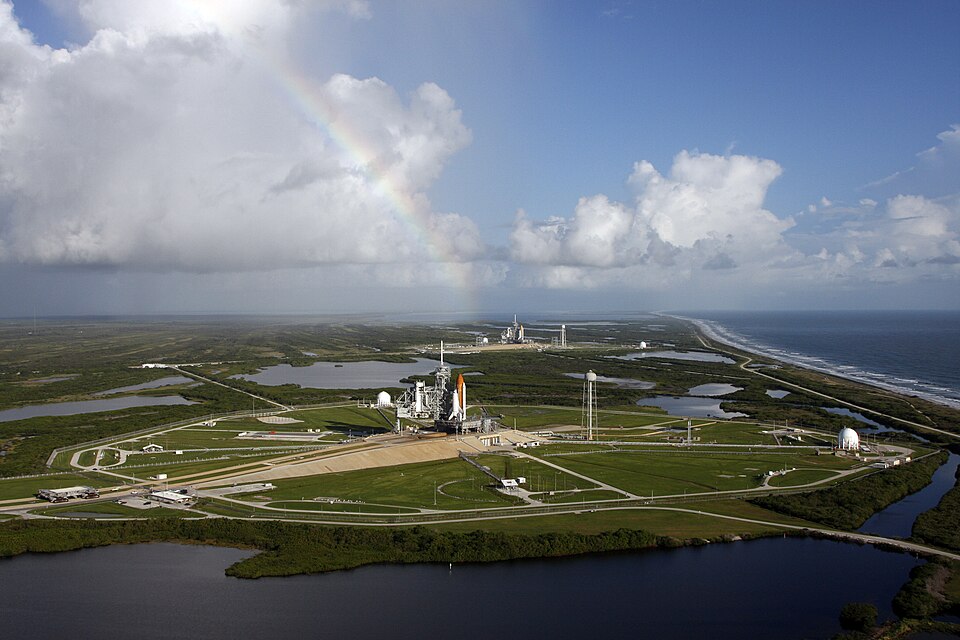
In a surprising turn of events, Hurricane Milton, matched with 2005’s Hurricane Rita as the most intense Atlantic hurricane ever recorded in the Gulf of Mexico, has brought NASA’s $5 billion Europa Clipper mission to a standstill. NASA declared on Sunday that the October 10 launch of the robotic explorer was being postponed. The spacecraft, the largest ever constructed by NASA for a planetary mission, was housed within a SpaceX Falcon Heavy rocket at the Kennedy Space Center, placing it directly in the path of a Category 5 storm.
The decision to halt the launch is standard procedure during hurricane season. NASA has a well-established hurricane response plan: secure the hardware, retreat the mobile launch platforms, and send non-essential personnel home. What sets this situation apart is the pressing deadline.
The Europa Clipper has a narrow launch window closing around November 6. Missing this date means waiting over a year for the next planetary alignment, a necessity rather than a luxury for this mission. The Clipper’s destination is Jupiter’s icy moon Europa, a 1.8-billion-mile journey that requires gravity assists from Mars and Earth.
This celestial slingshot is dependent on specific windows, dictated by planetary positions, not human schedules or hurricane forecasts. Scientists hypothesize that Europa harbors a subsurface ocean that could contain the building blocks of life. The Clipper was designed to study Europa’s ice shell, map its hidden ocean, and analyze the chemistry that could render it habitable.
This is a mission years in the making, built upon decades of data from the Galileo spacecraft and the Hubble telescope. The stakes are high, as Florida’s hurricane season has forced NASA to reconsider major launches in the past. However, Hurricane Milton is no ordinary storm.
It rapidly intensified in the Gulf of Mexico, and its projected path now threatens both the Kennedy Space Center and the Cape Canaveral Space Force Station. The timing could not be worse, as October is peak hurricane season in Florida, and also the peak season for planetary launches requiring gravity assists. For the scientists and engineers who have labored to build the Clipper, the waiting is the hardest part.
The spacecraft is enclosed within the Falcon Heavy’s payload fairing, powered down, protected, but exposed to the hurricane’s wrath. A direct hit from a Category 5 hurricane could cause damage to the rocket, the launch pad, or the spacecraft itself. Even if the hardware survives, the launch complex may need repairs, which will take days.
Days that the mission does not have, as missing the November 6 deadline means waiting over a year for the next opportunity. This delay means storing the spacecraft, maintaining its systems, and keeping the team intact. It means additional costs and delays for other missions competing for the same launch pads and the same engineers.
For now, NASA is doing what it always does during a hurricane: monitoring the storm’s track, tightening bolts, and hoping for a change in direction. The spacecraft remains in its hangar, the clock keeps ticking, and above the Gulf of Mexico, Hurricane Milton continues to spin.




