
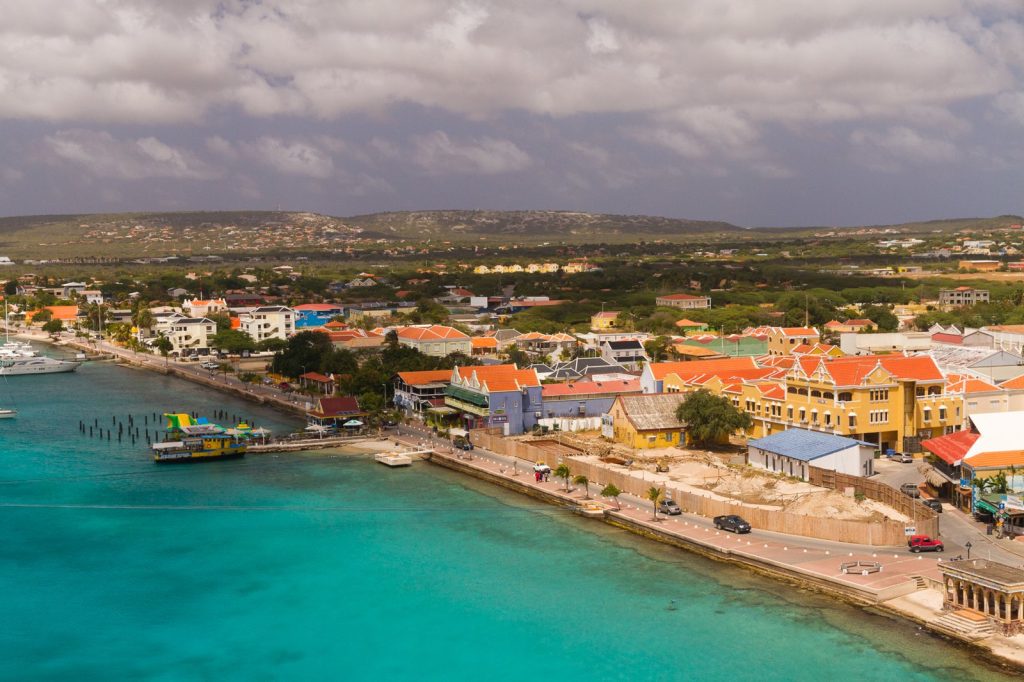
Earlier this month the oil tanker MV Gulfstream 2 overturned off the coast of Tobago, spilling the 35,000 barrels of crude it was transporting. While the vessel now rests on the seafloor, a portion of its cargo has drifted across the Caribbean Sea and begun to coat the shoreline of Bonaire, an island in the Leeward Antilles situated roughly 200 miles west of the accident site.
The journey of the petroleum was not instantaneous. Ocean currents and prevailing winds carried the slick for several weeks before it arrived on Bonaire’s beaches. The spill has already begun to affect the island’s fragile marine environment, which includes extensive coral reefs and seagrass meadows that support a diversity of fish, turtles and invertebrates.
Petroleum, a complex mixture of hydrocarbons formed over millions of years from the anaerobic decay of organic matter, is a potent pollutant when it reaches coastal ecosystems. On the beach it appears as a black, viscous film that smothers and suffocates living tissue.
The oil can coat coral polyps, blocking the sunlight essential for photosynthesis, and it can blanket seagrass leaves, damaging root systems and reducing habitat quality for marine fauna. The report accompanying the incident emphasizes that marine life is now at risk. Oil that settles on coral and seagrass can impair respiration in fish and filter‑feeding organisms, clog feeding structures and introduce toxic compounds through direct contact.
These effects are not speculative; they are documented outcomes of oil exposure in similar environments. Although the tanker carried 35,000 barrels, not all of the cargo has reached Bonaire’s coast.
Some of the oil remains dispersed in open water, some may have sunk, and a portion continues to drift. Nonetheless, the quantity that has washed ashore is sufficient to raise concerns about long‑term ecological damage and to prompt calls for a cleanup response. Authorities indicate that containment and remediation efforts are likely to be organized, though no removal operations have begun at the time of reporting.
Oil‑spill clean‑up is notoriously challenging, particularly on a remote island where equipment must be imported, personnel housed, and response actions coordinated without further harming the very habitats they aim to protect. Bonaire’s economy and identity are closely tied to its marine resources.
The island attracts divers to its reefs and supports local fisheries that depend on healthy seagrass beds. The arrival of the oil threatens both tourism and traditional livelihoods, underscoring the broader implications of transporting fossil fuels by sea. The incident illustrates how a maritime accident in one jurisdiction can quickly become an environmental crisis for another.
The oil that originated from a single capsized vessel off Tobago has now become a pollutant on Bonaire’s shores, highlighting the interconnected nature of oceanic ecosystems and the transboundary risks associated with oil transport.




