
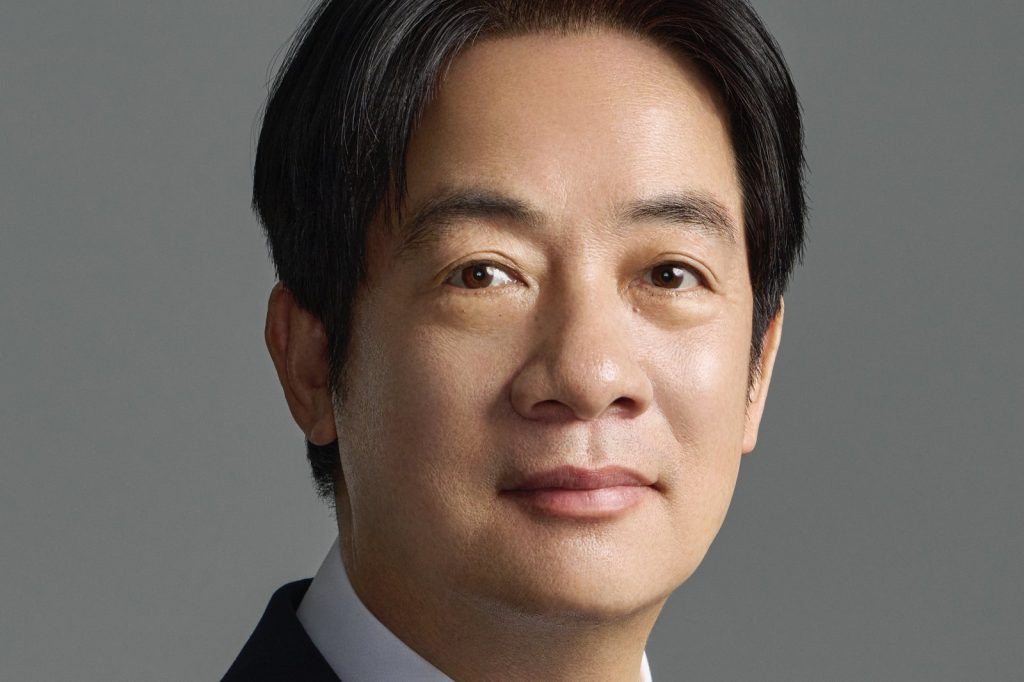
The island of Taiwan went to the polls on January 13, 2024, and what unfolded was anything but a conventional two-party matchup. Three candidates competed for the presidency, and the divisions laid bare by that contest are likely to redraw political alliances well into the future.
A Crowded Ballot
Vice President Lai Ching-te carried the banner for the governing Democratic Progressive Party, running alongside Hsiao Bi-khim, who had served as Taiwan’s representative to the United States. Lai had taken over the party chairmanship without opposition in March 2023, stepping into the role vacated by President Tsai Ing-wen, who was barred by term limits from seeking another term. The DPP’s goal was straightforward: keep the party in power.
The opposition Kuomintang tapped New Taipei mayor Hou Yu-ih as its candidate in May 2023, and in November he named former Legislative Yuan member Jaw Shaw-kong as his running mate. The KMT sought to frame the race as a choice for experienced local leadership and steadier engagement with Beijing.
A third contender complicated everything. The Taiwan People’s Party, led by former Taipei mayor Ko Wen-je, entered the fray with Legislative Yuan member Cynthia Wu as his vice-presidential pick. Ko positioned himself as a break from the two established camps, upending the familiar binary choice.
A Deal That Fell Apart
The months before the vote were turbulent. Businessman Terry Gou launched an independent campaign in September 2023, then withdrew two months later. More consequentially, the KMT and TPP announced in November that they would run on a single joint ticket. That arrangement quickly unraveled; the two sides could not bridge their disagreements, and each ended up campaigning separately.
That breakdown proved pivotal. A combined KMT-TPP effort would have posed a serious challenge to the DPP. Splitting the opposition vote instead handed Ko’s party a substantial share of younger, urban voters who felt alienated both by the KMT’s ties to mainland China and by the DPP’s long hold on power. Ko’s solo run did more than undercut the KMT — it became a test of whether a third party could thrive in Taiwan.
Competing Messages
The DPP campaigned on continuity, presenting Lai and Hsiao as heirs to Tsai’s presidency and arguing that their stewardship had kept Taiwan secure and prosperous. The KMT pointed to Hou’s record running New Taipei, Taiwan’s most populous city, as evidence he could manage both local affairs and relations with Beijing.
Ko’s platform — anti-corruption, fiscal restraint, and an ambiguous middle course on cross-strait policy — resonated with voters who saw the DPP as overly confrontational and the KMT as too accommodating. His presence pushed both major parties to confront topics they might otherwise have avoided.
What Lies Ahead
A DPP win would mean four more years of the existing order. Beneath that surface, though, the TPP’s robust performance — even in defeat — suggests Taiwan’s two-party framework is under strain. Younger voters show little allegiance to either established party.
The KMT confronts hard questions. It has lost the presidency once more, its support base is aging, and the failed joint ticket demonstrated that it cannot simply absorb third-party backing. The party must choose between embracing Ko’s reformist appeal or recommitting to its traditional identity.
The TPP, for its part, has shown it can endure without the KMT. Ko’s campaign built a foundation for future local and legislative contests. Should the party translate its presidential vote share into seats, it could become a lasting power broker.
Lai’s victory should not be read as a sweeping mandate. The opposition was divided, and the margin may prove narrower than anticipated. The grievances that fueled Ko’s ascent — distrust of the establishment and a hunger for a new voice — will not simply vanish. Taiwan’s politics have moved beyond a two-party contest, and the coming years will reveal whether the old players can adjust or whether the newcomer overtakes them.




