
Rescue operations in the mountain capital of Al Mahwit, Yemen, continue days after catastrophic landslides and flash floods struck the region. As of August 28, authorities have confirmed 33 fatalities, with bodies recovered from mud and debris. However, officials warn this figure is provisional, as entire neighborhoods remain unreachable due to the rugged landscape.
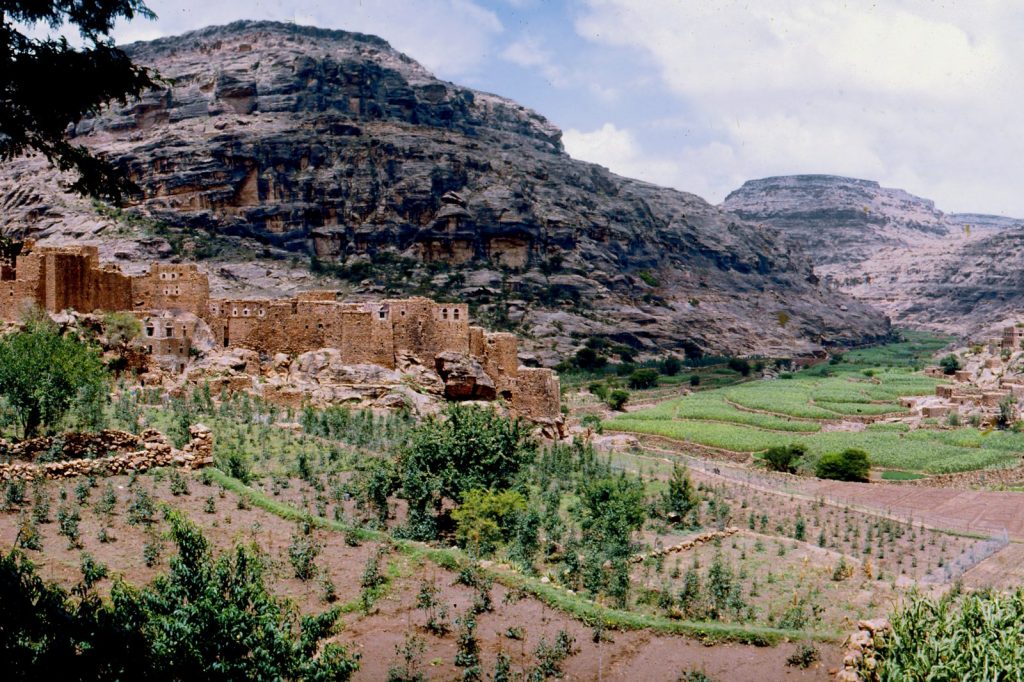
Al Mahwit, situated at approximately 2,000 meters elevation, is characterized by steep slopes and narrow roads winding through valleys and along cliff edges. Days of heavy rainfall saturated the unstable soil, triggering landslides that buried homes and cut off key transportation routes.
Local authorities describe the geography as inherently landslide-prone, making rescue efforts exceptionally difficult. Emergency crews are working with hand tools to dig through debris, but progress is slow. Landslides have blocked major roads, and flash floods have washed out bridges, leaving some villages in the Al Mahwit Governorate completely isolated.
The steep gradients, which might have mitigated the impact of a typical storm, instead amplified the disaster into a mass-casualty event, according to officials. The city’s elevation, while offering panoramic views and a cooler climate than coastal areas, places it directly in the path of orographic rainfall.
Moisture-laden air rises, cools, and dumps heavy precipitation on the mountainsides. This topography channels runoff into narrow wadis that transform into torrents during storms, compounding the danger. Beyond the immediate rescue effort, the disaster has exposed significant infrastructure vulnerabilities. Many roads in Al Mahwit are unpaved, drainage systems are minimal or nonexistent, and buildings cling to hillsides with little reinforcement against sliding earth.
Local authorities acknowledge that the city’s infrastructure was not designed to handle such extreme weather events, a vulnerability long understood by residents. Rebuilding efforts will require more than replacing lost structures.
Officials are discussing sustainable and resilient infrastructure, including roads that can withstand heavy runoff, retaining walls to stabilize saturated slopes, and drainage systems to channel water away from homes. However, the Al Mahwit Governorate lacks the budget for large-scale engineering projects, and the scope of reconstruction will depend on international aid. The environmental impact is also a concern.
Landslides have stripped hillsides of vegetation and destroyed natural habitats. Conservationists warn that the loss of biodiversity in this mountainous ecosystem, where species are adapted to narrow elevation ranges, could have long-lasting effects.
They advocate for reconstruction plans incorporating green technologies, such as planting deep-rooted trees to stabilize slopes and using permeable surfaces to absorb rainfall. For now, rescue teams continue to dig, and families await news of the missing. The confirmed death toll of 33 reflects only the areas that can be reached.
The rest of Al Mahwit remains out of sight.




