
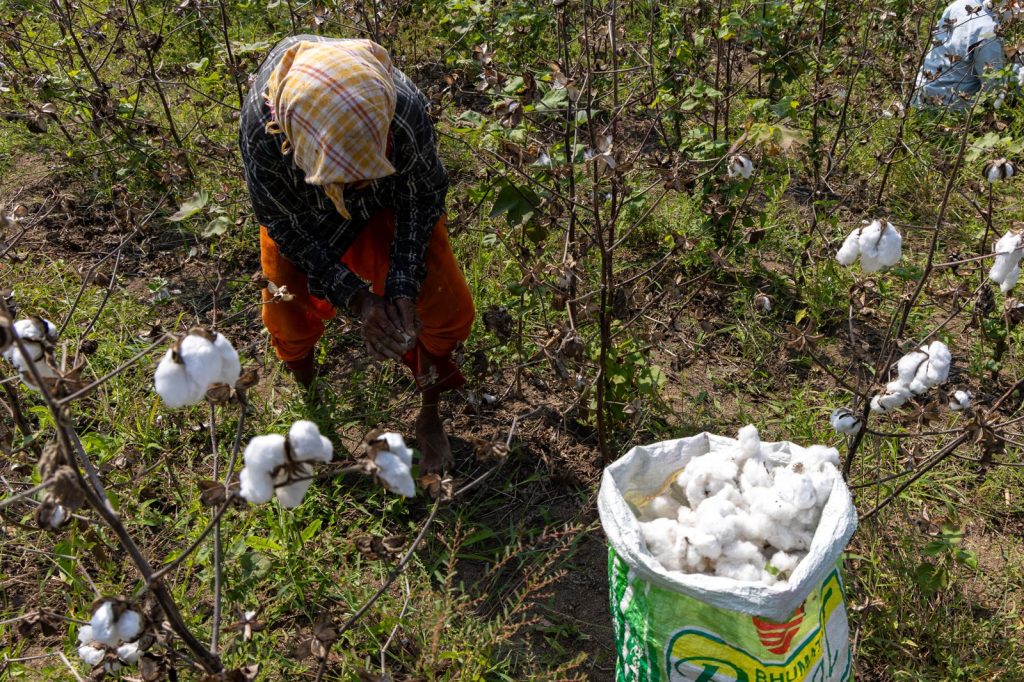
An extreme heat wave that started in early April 2025 and continues as of April 15 is striking the Indian subcontinent months ahead of the typical hot season of May and June. Hundreds of millions of people are now experiencing severe thermal stress, with temperatures far exceeding seasonal averages. The early timing is proving catastrophic for agriculture, as wheat, pulses, and vegetables remain in the ground at critical growth stages.
When extreme heat arrives this early, crops cannot complete grain filling, leading to reduced yields. For small farmers who depend on each harvest for survival, a poor yield translates into debt, selling livestock, and skipping meals.
The heat wave is causing “agricultural disruptions throughout the region,” according to reports, a phrase that encompasses widespread hardship. While the Indian subcontinent is accustomed to hot summers, this year’s conditions are different. The heat arrived with intensity that overwhelmed infrastructure and healthcare systems.
Hospitals are reporting surges in heat-related illnesses, including dehydration, heat stroke, and kidney failure. These conditions are filling wards and straining limited medical supplies.
Scientists are examining larger environmental trends behind the event, though the exact causes remain under study. The pattern is clear: heat waves that historically occurred in late spring are now arriving in early April. This shift is shrinking the window for safe outdoor labor and compressing the time available for crops to mature.
The heat wave “is likely to have long-term consequences for the region’s economy and environment,” reports indicate, signaling cracks in the foundation of the rural economy. The scale of impact is enormous.
Hundreds of millions of civilians are affected, a population larger than most continents. Ecosystems are suffering as rivers run lower, soil moisture evaporates faster, and plants and animals adapted to specific seasonal rhythms face disruption. The report warns of a “devastating impact on the region’s ecosystems and natural resources,” describing damage already underway.
Local authorities are working to provide relief through water, shade, cooling centers, electricity for fans and refrigerators, and ice. These solutions are straightforward but require money, organization, and political will.
The situation is being “closely monitored,” though monitoring alone does not constitute action, and the gap between observation and intervention can be lethal. The heat wave is not an isolated event but a cascade: high temperatures cause crop failure, which leads to income loss, hunger, and migration. Migration strains cities, which then struggle to provide services. The entire cycle is occurring earlier than before, leaving less time for preparation and recovery before the next shock.
At stake is the ability of millions to remain in their homes, feed their families, and survive the summer. The heat wave continues unabated, gripping the region and deepening damage with each passing day.
The long-term consequences are already being written in the fields and hospitals of India and Pakistan.




