
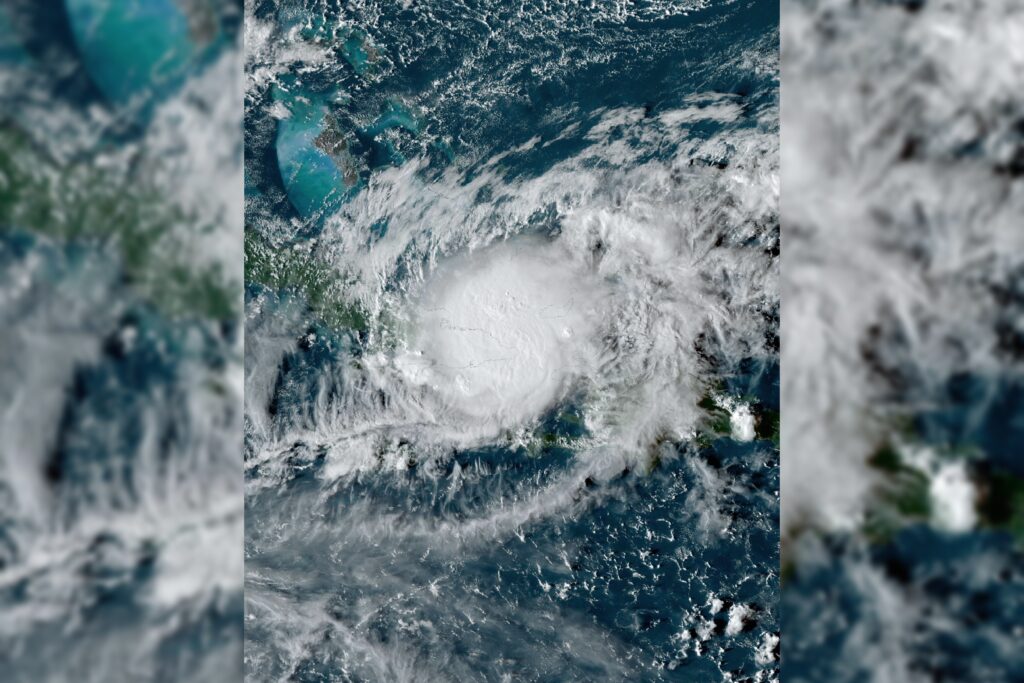
When Hurricane Oscar made landfall in eastern Cuba on October 20, 2024, it arrived with a notable meteorological distinction. The storm’s hurricane-force wind field was the smallest ever recorded for an Atlantic hurricane. This compact system, however, struck a country already grappling with a complete electrical blackout that had taken effect before the storm’s arrival.
The timing of Oscar’s landfall compounded existing difficulties. Cuba’s national power grid had already failed entirely, leaving the entire island without electricity.
The hurricane’s strong winds and heavy rainfall introduced new risks to an infrastructure system that had already demonstrated its fragility. Questions arose about whether the grid could withstand any additional pressure from a tropical cyclone, regardless of its size. Oscar’s development traced back to a tropical wave that departed the coast of West Africa on October 10, 2024.
For more than a week, this wave showed no signs of strengthening into a tropical cyclone. Unfavorable atmospheric conditions prevented its development.
Then the environment changed. On October 19, the wave underwent rapid intensification, becoming a Category 1 hurricane in a short period. This swift transformation highlighted the inherent unpredictability of tropical cyclone formation and the importance of ongoing monitoring.
Before reaching Cuba, Oscar made landfall on Grand Turk Island. Its impact in eastern Cuba was assessed as causing moderate damage, a result attributed to preparedness and planning.
The nationwide blackout, however, created additional challenges. Without electrical power, early warning systems, communications networks, and emergency response capabilities face significant obstacles. Coordinating relief efforts becomes more difficult, and residents must rely on available resources.
The small size of Oscar’s wind field represents a statistical anomaly for Atlantic hurricanes. This characteristic may have limited the storm’s overall destructive potential.
While a tightly concentrated system can still cause significant local damage, the geographic extent of harm tends to be more limited. For Cuba, already experiencing a total loss of electrical service, this narrower impact may have prevented the situation from escalating from moderate damage to catastrophe. The national blackout predated Oscar and encompassed the entire island. Power restoration efforts, already in progress before the hurricane, now competed with storm response activities.
The grid’s vulnerability was exposed, and the need for resilient energy systems became an immediate operational crisis rather than a theoretical concern. Oscar’s rapid intensification from a non-developing tropical wave to a Category 1 hurricane in one day follows a pattern scientists monitor closely.
Warm waters, low wind shear, and favorable atmospheric conditions can quickly transform a disorganized system into a threat. The storm formed rapidly, struck quickly, and left damage that a nation already in crisis had to absorb. Cuban residents are responding, drawing on experience from previous hurricanes.
A prepared and resilient community can better handle such events, but preparation has limits when the power is out nationwide before the storm arrives. The combination of a national blackout and a hurricane, even a small one, tests any response system’s capabilities.
Oscar’s landfall on October 20 functioned as a stress test on an already broken system. The moderate damage reported suggests that planning and experience helped, but the underlying vulnerability remains. A grid that cannot remain operational during normal conditions is unlikely to hold up when winds intensify and rain falls heavily.
The storm passed. The blackout did not.




