
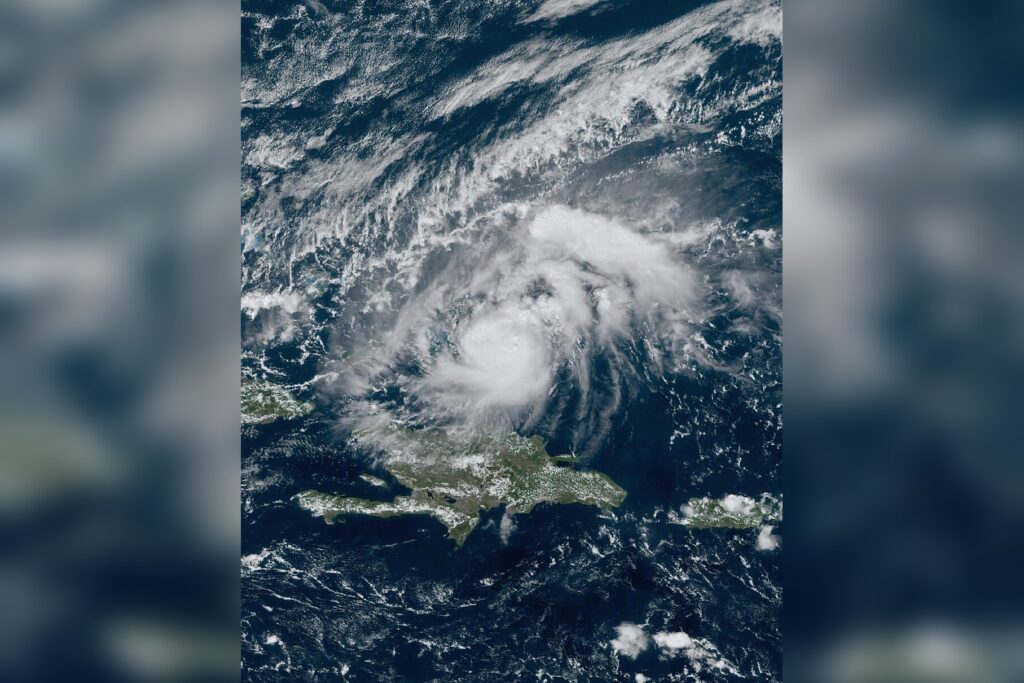
On October 20, 2024, Hurricane Oscar came ashore in Cuba at a moment when the country was already experiencing a nationwide electrical blackout. The timing raised immediate concerns about how the storm’s strong winds and heavy rainfall would affect an already fragile power grid and disrupt daily life across the island. Authorities and residents alike began monitoring the situation closely, aware that any further loss of electricity could have serious consequences for homes, hospitals, and essential services. The storm’s origins trace back to a tropical wave that moved off the west coast of Africa on October 10, 2024.
Initially, unfavorable atmospheric conditions prevented the wave from organizing into a tropical cyclone. However, by October 19 the environment had shifted, allowing the wave to undergo rapid intensification.
In a brief period it strengthened to a Category 1 hurricane, illustrating how quickly tropical systems can develop when conditions become favorable. This swift evolution underscores the unpredictable nature of cyclone formation and highlights the ongoing need for research and improved forecasting. Despite its modest size, Hurricane Oscar holds a notable distinction: it possesses the smallest hurricane‑force wind field ever recorded for an Atlantic hurricane.
Its compact nature did not lessen its impact. The system had already made landfall on Grand Turk Island before reaching Cuba, and its effects were being felt in the eastern part of the island.
Although the damage has been described as moderate, the event serves as a reminder that preparedness and planning are crucial, even for storms that appear less imposing. Cuban communities, drawing on experience from previous hurricanes, are working to respond to the challenges posed by Oscar. Officials stress that a well‑prepared and resilient population is better able to withstand the forces of such natural events.
Particular attention is being paid to the nation’s electrical grid, which was already offline when the hurricane arrived. The ability of the infrastructure to endure the storm’s winds and rain is under close scrutiny, as any additional interruption to power supply would exacerbate difficulties for residents relying on electricity for lighting, communication, refrigeration, and medical equipment.
In the aftermath, the importance of investing in resilient and reliable energy systems has become evident. Strategies that prioritize both energy security and cost—such as expanding renewable energy sources and strengthening grid components—are seen as ways to lessen Cuba’s vulnerability to future storms like Oscar. By reducing dependence on fragile, centralized power generation and enhancing the grid’s ability to withstand extreme weather, the country can improve its capacity to maintain essential services during disasters.
Looking ahead, there is a sense of hope and determination among Cubans that the lessons learned from Hurricane Oscar will guide future planning. Emphasizing renewable development and grid reinforcement not only supports environmental goals but also offers economic advantages, potentially lowering long‑term energy costs while increasing reliability.
As observers around the world follow the situation, it is clear that the storm’s effects will linger, but proactive measures can help mitigate risks. Beyond immediate recovery, the event reinforces a broader message about the value of protecting the planet. Healthy ecosystems and abundant natural resources contribute to community resilience, reducing the likelihood that natural hazards will escalate into catastrophes.




