
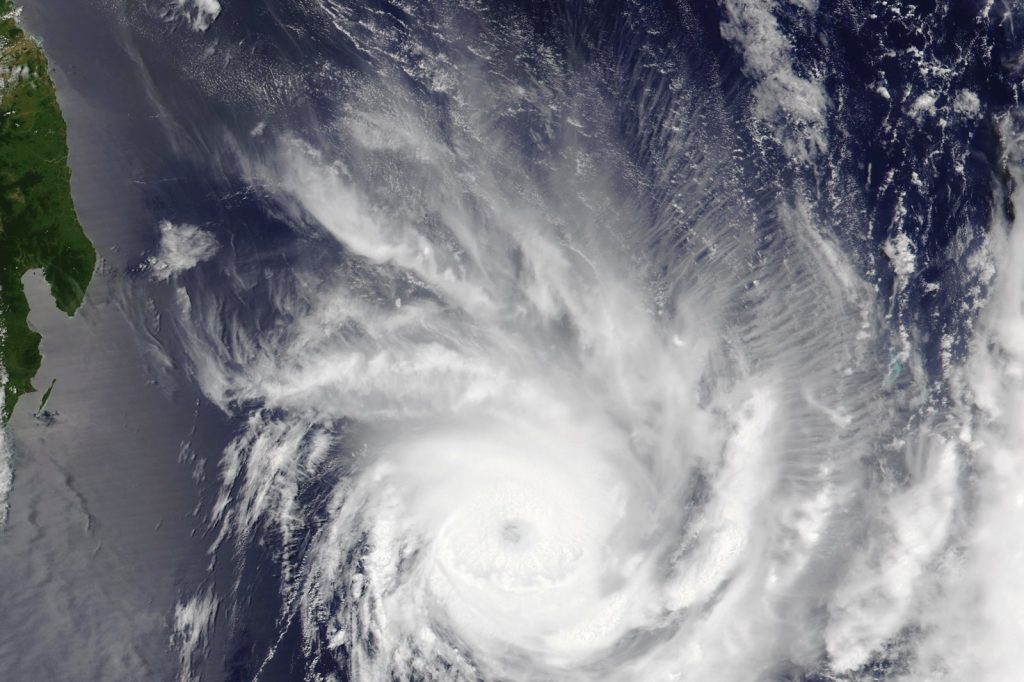
A powerful tropical cyclone named Garance made landfall on the French island of Réunion in the Indian Ocean on February 28, 2025, resulting in the loss of three lives. The storm’s strong winds and heavy rainfall caused significant destruction across the island, underscoring the critical need for preparedness and effective disaster‑response measures when facing extreme weather events. As residents begin to assess the damage and embark on recovery, attention has turned to the cyclone’s characteristics and the factors that contribute to its formation.
A tropical cyclone is defined as a rapidly rotating storm system with a low‑pressure area at its centre, accompanied by strong winds and a spiral arrangement of thunderstorms that produce heavy rain and squalls. The strength and geographic location of such storms determine their naming: systems in the Atlantic or northeastern Pacific are called hurricanes, those in the northwestern Pacific are termed typhoons, while storms in the Indian Ocean and South Pacific are simply referred to as tropical cyclones.
The Indian Ocean, where Garance originated, is particularly prone to these storms because of its warm ocean waters and favourable atmospheric conditions; the region’s numerous island nations and coastal communities heighten its vulnerability to cyclone impacts. Continued urbanisation and population growth in exposed areas increase the urgency for robust early‑warning systems, resilient infrastructure, and sustainable development practices to mitigate future risks. Investing in renewable energy sources and reducing reliance on fossil fuels can strengthen community energy security, lower costs, and foster a more resilient and sustainable future.
Wind and solar power, as examples of renewable energy, provide a cleaner and more reliable alternative to traditional fossil fuels, lessening environmental strain and promoting energy independence. The shift toward a sustainable energy mix yields benefits beyond the environment, including economic growth, job creation, and improvements in public health.
In the context of cyclones like Garance, adopting renewable energy can reduce communities’ susceptibility to power outages and communication disruptions, thereby supporting more effective response and recovery operations. Emergency responders and aid workers are working tirelessly to assist those affected, with the French government, local authorities, and international partners coordinating relief efforts that include the distribution of food, shelter, and medical care. The recovery process is expected to be lengthy and challenging, demanding substantial resources and sustained support from the global community.
Prioritising sustainable development and environmental stewardship not only helps lower the likelihood of similar disasters but also promotes a cleaner, healthier planet for future generations. The impact of cyclone Garance serves as a reminder that protecting the environment and embracing sustainability in daily life are essential steps toward mitigating the effects of extreme weather.




