
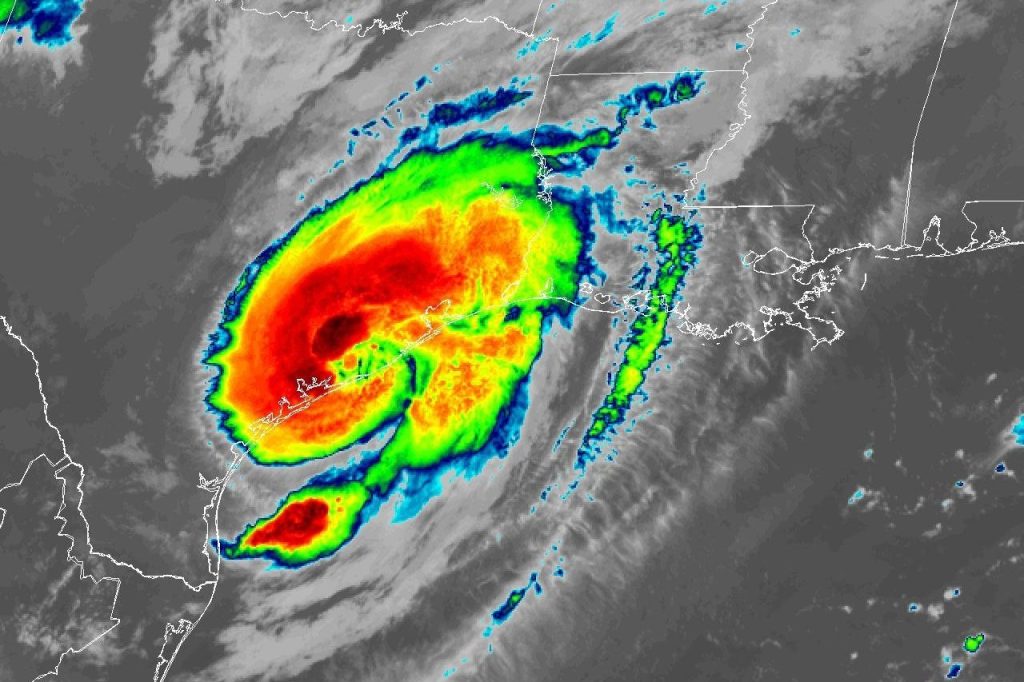
Hurricane Beryl has swept through the eastern Caribbean, leaving nine confirmed fatalities across Grenada, Saint Vincent and the Grenadines, and Venezuela, according to the latest tally released on 3 July 2024. While the death count is now known, the longer‑term impact on the region’s infrastructure and energy systems is only beginning to emerge.
The Caribbean’s geography—an extensive mosaic of islands, cays, reefs and banks—complicates disaster response. A single storm can strike several sovereign nations within hours, each with its own government, port capacity and supply reserves. Relief agencies must therefore navigate multiple borders, languages and dispersed populations, a factor that amplifies the damage caused by Beryl.
Restoring power is at the heart of the recovery effort. The region’s electricity supply has traditionally relied on imported fossil fuels, making it vulnerable to disruptions when a hurricane damages ports or fuel depots.
In the aftermath of Beryl, many communities face a second crisis: without electricity, there is no refrigeration for medicines, no lighting for homes and no fuel for generators. Renewable energy is being positioned as a potential lifeline. Distributed solar panels and wind turbines can survive a storm that destroys a centralized power plant, because it is unlikely that every rooftop array will be taken out simultaneously.
However, the upfront investment required for such systems is substantial. Small island states already carry significant debt burdens and must balance the need to rebuild damaged infrastructure with the desire to invest in new, resilient energy solutions.
The current situation forces governments to make difficult budgetary choices. Reconstructing the same vulnerable grid could set the stage for future outages when the next storm arrives. Conversely, a rapid shift to renewable technologies might strain finances and expose a shortage of trained technicians needed for installation and maintenance.
In Grenada and Saint Vincent, residents are sifting through wreckage while seeking clean water, shelter and medical assistance. The immediate humanitarian needs compete with longer‑term goals of creating a cleaner, more reliable energy mix.
The report cited in the original briefing stresses that a healthy environment underpins prosperity, but the urgency of basic services dominates the present agenda. Venezuela, though not an island, shares the Caribbean basin and was also affected by Beryl, adding a political dimension to the disaster. The country’s already weakened economy limits its capacity to respond, underscoring how the storm disregards borders and political realities.
Looking ahead, the recovery will be uneven. Some islands may emerge with stronger, more diversified grids, while others could revert to the pre‑storm reliance on fragile, fuel‑dependent systems.
The cost and feasibility of renewable energy installations are expected to dominate planning discussions in the coming months. Experts note that Beryl is not an isolated event but part of a broader pattern of increasingly frequent and intense storms in the Caribbean. The region’s future resilience will hinge on how quickly and effectively it can transition to sustainable energy sources while meeting the immediate needs of its populations.




